Maintaining existing integrations
Keep a January 2026 production workflow stable while evaluating the current Qwen Max generation.
Independent tool overview
Qwen3-Max-Thinking is Alibaba's January 2026 hosted reasoning model and API snapshot; it remains available, but Model Studio now treats Qwen3 as a legacy family and recommends newer Qwen3.8 models.
Visit the official Qwen3-Max-Thinking site ↗.png&w=3840&q=75)
Overview
Qwen3-Max-Thinking was Alibaba's flagship reasoning release in January 2026. It combined extended reasoning with adaptive retrieval and code-interpreter use in Qwen Chat, and exposed the dated API model ID qwen3-max-2026-01-23 through an OpenAI-compatible and Anthropic-compatible interface.
The endpoint remains documented with a 262,144-token context window, function calling, built-in tools, and structured output. It is no longer the best default for a new application: Alibaba's current Model Studio guide places Qwen3 in its legacy, not-recommended section and lists Qwen3.8-Max as the recommended Max model with a 1M-token context window. Existing users should pin the dated snapshot while evaluating migration.
Use cases
The strongest fit depends on the job you need the product to complete, not the size of its feature list.
Keep a January 2026 production workflow stable while evaluating the current Qwen Max generation.
Pin the dated snapshot when benchmark or application results need to be compared with the original release.
Work through mathematics, coding, planning, and multi-step knowledge tasks where additional inference time is acceptable.
Use function calling, built-in tools, and structured output within the Model Studio ecosystem.
Use Alibaba's Anthropic-compatible endpoint with an existing Claude Code workflow after testing behavior and tool parity.
Capabilities
Enable thinking through the API to allocate additional computation before the final answer.
The Qwen Chat experience can invoke retrieval and a code interpreter on demand as part of a reasoning task.
The original release used iterative self-reflection and multiple reasoning trajectories to improve difficult benchmark results.
The documented 262,144-token window supports up to 258,048 input tokens, subject to output and thinking limits.
Connect the model to application-defined tools and validate returned arguments before execution.
Alibaba's capability table lists built-in tools for the Qwen3-Max endpoint.
Request machine-readable output for extraction, routing, and downstream application logic.
Use common chat-completions client patterns with an Alibaba Cloud base URL and API key.
Alibaba documents an Anthropic-compatible endpoint that can connect the model to Claude Code.
The dated qwen3-max-2026-01-23 identifier avoids silently following the moving qwen3-max alias.
Process
Step 1
Record prompts, tools, regions, latency, token use, failure modes, and any dependence on the qwen3-max alias.
Step 2
Use qwen3-max-2026-01-23 for reproducibility while a migration evaluation is underway.
Step 3
Run the same representative tasks against Qwen3.8-Max and any lower-cost candidate.
Step 4
Include input, implicit cache, reasoning and answer output, retries, tool calls, and regional pricing.
Step 5
Apply schemas, least-privilege credentials, allowlists, sandboxes, timeouts, and human approval to consequential actions.
Step 6
Canary the new model, monitor quality and cost, keep the pinned snapshot available, and update prompts before retiring the old path.
Cost
Alibaba Cloud prices qwen3-max-2026-01-23 by region and by the number of input tokens in each request. The Global rates below apply in documented global locations such as US Virginia; International, EU, and Hong Kong scopes can cost substantially more. Reasoning and final-answer tokens are billed as output.
$0.359 input / $1.434 output per 1M tokens
The lowest documented Global request-length tier for the dated snapshot.
$0.574 input / $2.294 output per 1M tokens
The middle Global tier for longer prompts.
$1.004 input / $4.014 output per 1M tokens
The highest Global context-length tier.
From $1.20 input / $6 output per 1M tokens
Regional rates documented for Singapore International and Frankfurt EU start higher.
Pricing checked . Check current pricing at the source ↗
Assessment
Compare
The right alternative depends on the specific output, workflow, controls and budget your project requires.
Coding
Choose Qwen3.6-27B when downloadable open weights and efficient local coding or vision work matter more than Max-scale hosted reasoning.
Explore Qwen3.6-27B →Coding
Consider GLM 5.2 for a newer managed coding-focused flagship available in the same Model Studio catalog.
Explore GLM 5.2 →Coding
Consider MiniMax M2.5 for an alternative low-cost agentic and coding model, while accounting for its own newer successors.
Explore M2.5 →Consumer
Choose Mistral 3 when Apache 2.0 weights, self-hosting, and a choice of deployment sizes are important.
Explore Mistral 3 →Questions
Qwen3-Max-Thinking is Alibaba's January 2026 reasoning model, available in Qwen Chat and as the qwen3-max-2026-01-23 Model Studio API snapshot.
Yes. The API snapshot remains documented and priced, but Alibaba now places Qwen3 in its legacy, not-recommended model section.
Alibaba's current recommended Max model is Qwen3.8-Max, which supports thinking, tools, structured output, and a 1M-token context window.
Use qwen3-max-2026-01-23 to pin the release. The qwen3-max alias currently maps to that capability but is less suitable for reproducible deployments.
Global base pricing ranges from $0.359 input and $1.434 output per million tokens for requests up to 32K input, to $1.004 input and $4.014 output for requests over 128K. International and EU rates are higher.
Yes. Alibaba documents a 262,144-token window, up to 258,048 input tokens, and separate output and reasoning limits.
Yes. Model Studio lists function calling, built-in tools, and structured output. Qwen Chat also demonstrates adaptive retrieval and code-interpreter use.
Usually not as the first choice. Evaluate Qwen3.8-Max and current alternatives first; use the Qwen3 snapshot mainly for an existing integration or reproducible historical comparison.
Bottom line
Qwen3-Max-Thinking remains useful as a pinned, capable January 2026 reasoning endpoint, but it should now be treated as a migration source rather than Alibaba's flagship destination. Existing users can keep it stable while testing Qwen3.8-Max; new projects should begin with the current recommended catalog and compare total regional cost, latency, tool safety, and real task quality.
Visit Qwen3-Max-Thinking website ↗
ERNIE 5.0 - Baidu's omni-modal, top-ranked Chinese model
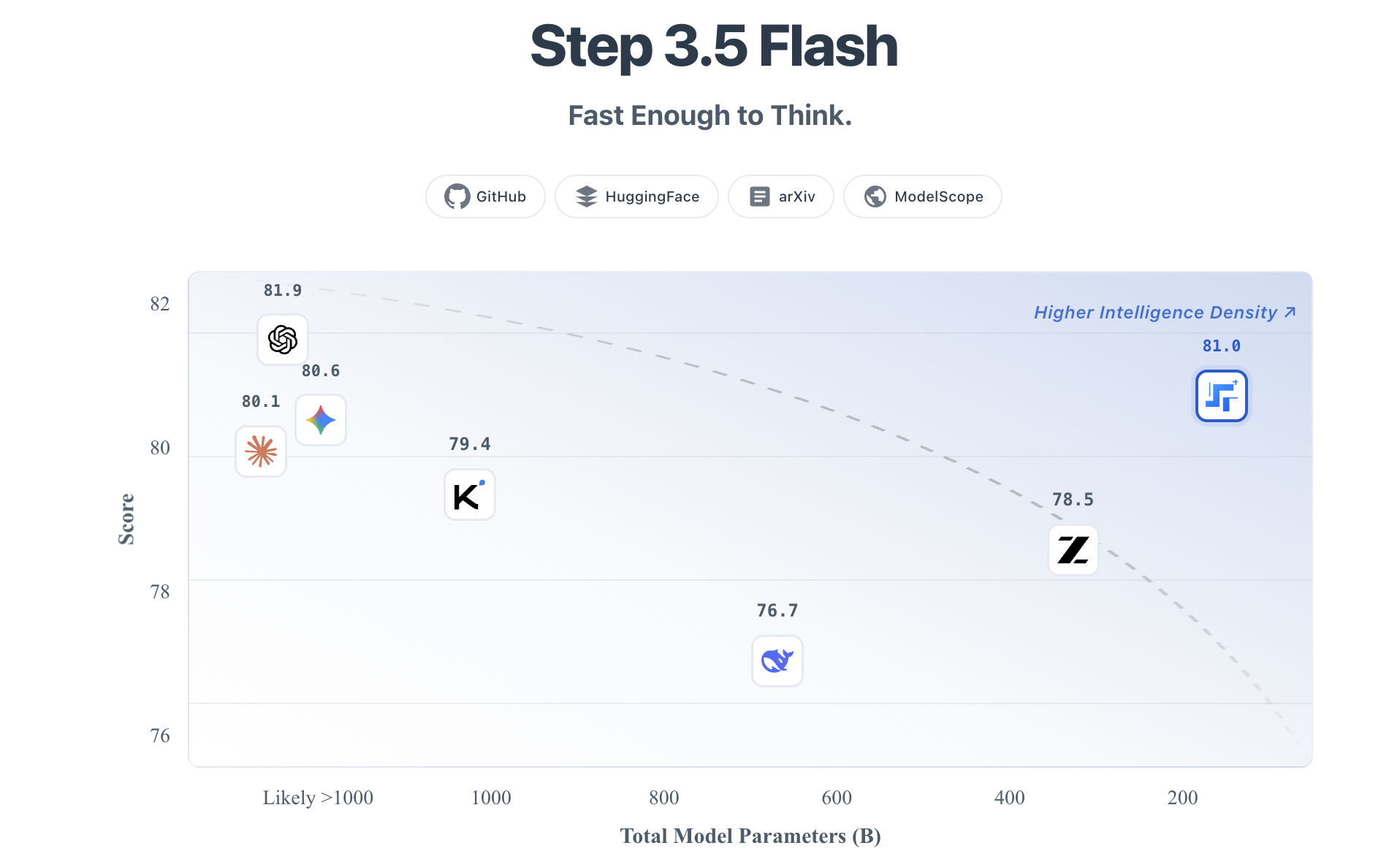
Step-3.5-Flash - StepFun's powerful open-source model with strong reasoning and agentic capabilities
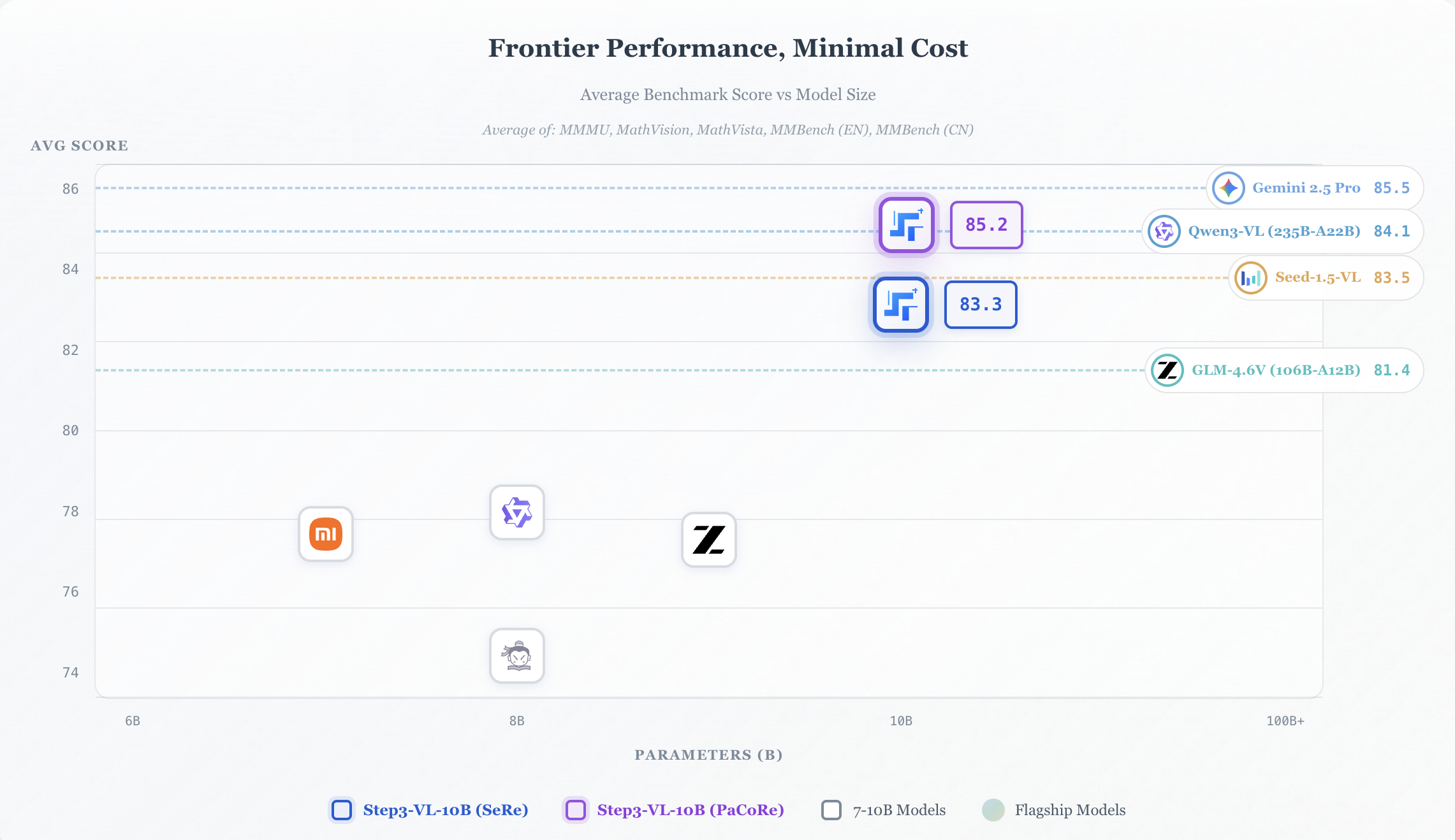
Step3-VL-10B - StepFun's open-source SOTA vision language model
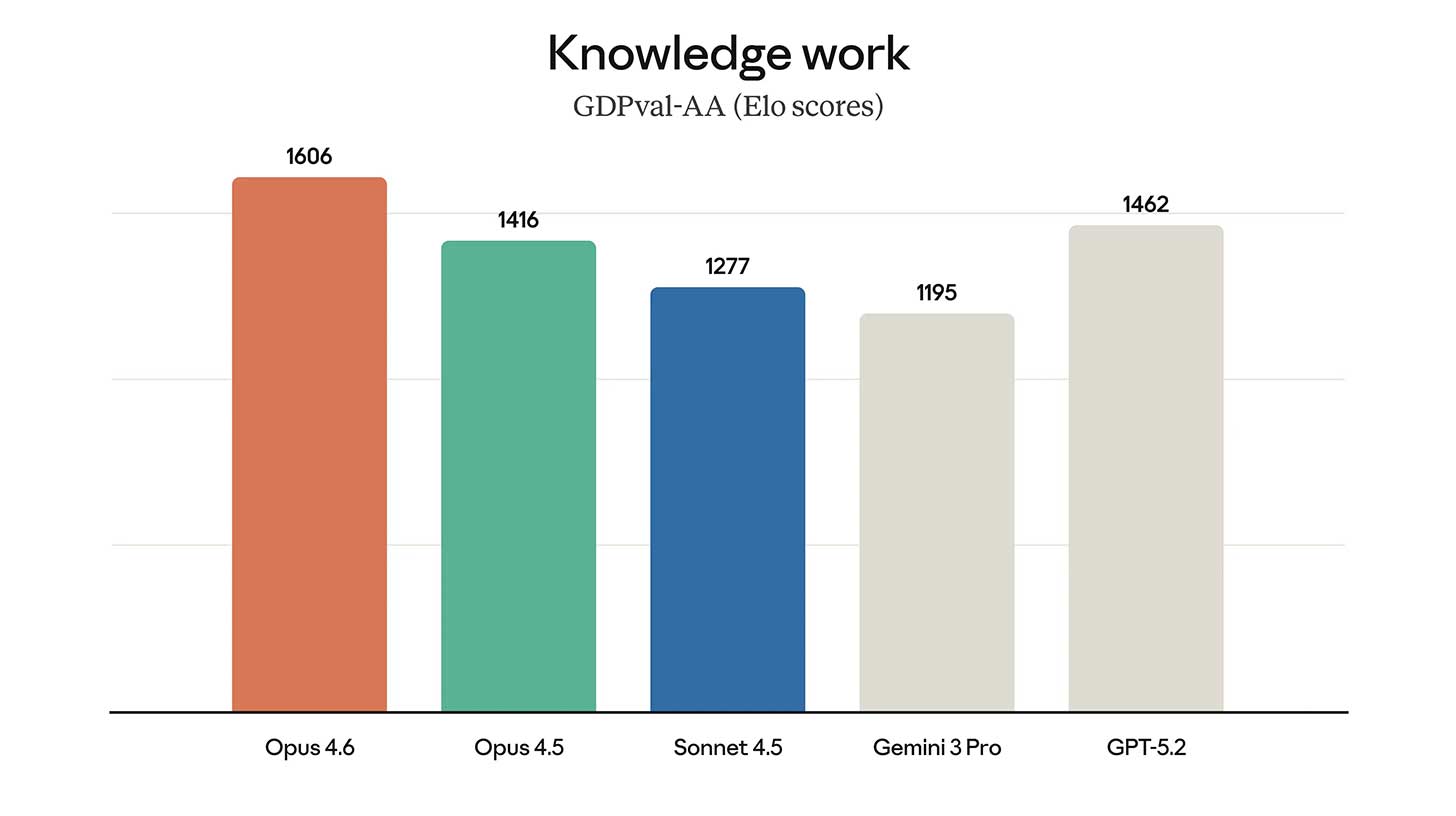
Claude Opus 4.6 - Anthropic's upgrade to its most powerful model line, featuring multi-agent collaboration, 1M context window, and new Office integrations

Get access to all our AI courses, hundreds of real-world AI use cases, live expert-led workshops, an exclusive network of AI early adopters, and more.
Get unlimited access to all of our current & upcoming industry-specific AI courses for the duration of your subscription.
To keep up with the rapid pace of AI, our team publishes AI implementation guides daily. Our library contains 300+ practical use cases to automate real-world work.
Join weekly, live, interactive sessions with industry leaders who are at the forefront of AI for hands-on implementation guidance and exclusive insights.
Network with an exclusive community of AI-first professionals who are working smarter with AI. Learn how early adopters are using AI in their work and businesses.