Repository-scale implementation
Trace an unfamiliar codebase, modify related files, run checks, and iterate through a well-scoped feature or repair.
Independent tool overview
GPT-5.3-Codex is OpenAI's agentic coding model for long-running software work, tool use, code review, terminal tasks, frontend development, and broader computer-based workflows.
Visit the official GPT-5.3-Codex site ↗
Overview
GPT-5.3-Codex is a model optimized for agentic software engineering rather than a standalone code editor. It powers work inside Codex and can also be called directly through the OpenAI API in a custom agent harness.
The model is designed to inspect repositories, edit multiple files, use tools, run commands and tests, diagnose failures, review code, and continue through longer tasks. In Codex, users can steer it while it works instead of waiting for a single final response.
OpenAI's API catalog gives GPT-5.3-Codex a 400,000-token context window, up to 128,000 output tokens, text input and output, image input, function calling, structured outputs, streaming, and low, medium, high, or xhigh reasoning effort.
The release extends beyond code generation into deployment, monitoring, product documents, data analysis, research, and interface work. Those results depend heavily on the surrounding tools, permissions, environment, instructions, and validation loop.
GPT-5.3-Codex remains available in the API as model ID gpt-5.3-codex. Codex product access, model choices, speed modes, and usage limits depend on the user's ChatGPT plan, workspace policy, and client.
Use cases
The strongest fit depends on the job you need the product to complete, not the size of its feature list.
Trace an unfamiliar codebase, modify related files, run checks, and iterate through a well-scoped feature or repair.
Investigate failures across code, configuration, logs, tests, and runtime behavior when the agent has access to the relevant environment.
Review diffs, identify likely regressions, improve tests, refactor carefully, and explain risk in the context of the actual repository.
Use shell tools, scripts, APIs, and structured outputs inside a controlled agent harness.
Build interfaces, connect behavior, inspect rendered results, and iterate on implementation rather than returning only a code sample.
Handle research, implementation, testing, and documentation as one continuous workflow with compaction and clear acceptance criteria.
Capabilities
Optimized to plan, inspect, edit, test, debug, and continue across multiple steps instead of answering only with isolated snippets.
Codex can accept feedback and follow-up direction while a task is active, preserving the working context.
Provides a 400,000-token context window and supports outputs up to 128,000 tokens for large repository and artifact workflows.
Supports low, medium, high, and xhigh effort; OpenAI recommends medium as a general balance and higher settings for the hardest tasks.
Can select structured tools inside an agent harness, allowing controlled access to files, commands, services, browsers, and other systems.
Accepts images for tasks such as interpreting screenshots, interfaces, diagrams, and visual evidence; it does not natively generate images.
Supports schema-constrained responses and streamed output for integrations that need predictable data or live progress.
OpenAI's prompting guide describes compaction support for longer reasoning sessions and continuous conversations that would otherwise exceed context.
Can work on specifications, research, data, documentation, presentations, and operational tasks when the harness provides the right tools.
Process
Step 1
Provide the goal, repository or system in scope, acceptance criteria, constraints, and the evidence required before the work is considered complete.
Step 2
Give the model only the files, tools, network access, credentials, and environments needed for the task.
Step 3
Include repository instructions, architecture notes, test commands, coding conventions, and any protected or out-of-scope areas.
Step 4
Use medium for typical interactive coding and reserve high or xhigh for difficult investigation, architecture, or long-horizon execution.
Step 5
Require it to ground decisions in current files, dependencies, runtime behavior, and documentation before changing the implementation.
Step 6
Require approval for production writes, deployments, purchases, external messages, secrets, data deletion, or other difficult-to-reverse actions.
Step 7
Run focused tests, type checks, builds, security checks, and rendered or runtime verification appropriate to the change.
Step 8
Inspect changed files, test evidence, assumptions, unresolved risks, and unrelated worktree changes before merging or deploying.
Cost
GPT-5.3-Codex is available through Codex under ChatGPT plan allowances and directly through the OpenAI API. API text pricing is $1.75 per million input tokens, $0.175 per million cached input tokens, and $14 per million output tokens. Tool calls and surrounding infrastructure can add cost. The API free tier does not support this model.
Included with plan access
Codex is included across ChatGPT plans, while available models, usage limits, credits, and speed options vary by plan and workspace.
$1.75 per 1M tokens
Standard uncached input-token price for direct API use.
$14 per 1M tokens
Output pricing includes visible response tokens and applicable reasoning-token usage.
Pricing checked . Check current pricing at the source ↗
Assessment
Compare
The right alternative depends on the specific output, workflow, controls and budget your project requires.
Coding
Choose Codex Max when you want OpenAI's current long-horizon Codex model experience and are selecting through the Codex product rather than pinning this API model.
Explore Codex Max →Coding
Choose GPT-5.3-Codex-Spark for a faster, tighter interactive coding loop when low latency matters more than maximum long-horizon capability.
Explore GPT-5.3-Codex-Spark →Consumer
Choose GPT-5.4 mini or nano for cheaper high-volume coding, classification, or subagent work that does not need a frontier model.
Explore GPT-5.4 mini & nano →Coding
Choose Claude Code when comparing a mature terminal and IDE coding agent built around Anthropic's model ecosystem.
Explore Claude Code →Coding
Choose Gemini CLI for an open-source terminal agent and Google model workflow with a generous entry path.
Explore Gemini CLI →Questions
GPT-5.3-Codex is OpenAI's agentic coding model for repository work, tool use, terminal tasks, debugging, review, frontend development, and broader professional workflows.
No. GPT-5.3-Codex is a model. Codex is the agent product and harness that provides interfaces, tools, permissions, environments, task management, and model selection.
Yes. The current OpenAI model catalog lists gpt-5.3-codex for direct API use, including Responses and Chat Completions support.
OpenAI lists $1.75 per million input tokens, $0.175 per million cached input tokens, and $14 per million output tokens. Other tool calls and infrastructure are separate.
The model has a 400,000-token context window and supports up to 128,000 output tokens.
OpenAI recommends medium as a general balance for interactive coding. High or xhigh can help with the hardest tasks, while low can reduce latency and cost for straightforward work.
It accepts image input, which is useful for screenshots and visual context. It does not support native image, audio, or video output.
It can use deployment tools if a harness grants access, but production changes should remain permissioned, reviewed, observable, and reversible. The model itself is not a deployment safety system.
No. It can make broad, useful changes, but every result still needs tests and human review appropriate to the risk, especially for authentication, payments, security, data, infrastructure, and production behavior.
Bottom line
GPT-5.3-Codex is a capable choice for teams that want a model to carry software work from investigation through implementation and verification, especially when they need direct API access and a large context window. Its value comes from the complete agent loop, not raw code generation. Give it strong repository guidance, narrow permissions, reliable tools, measurable acceptance criteria, and an independent review path.
Visit GPT-5.3-Codex website ↗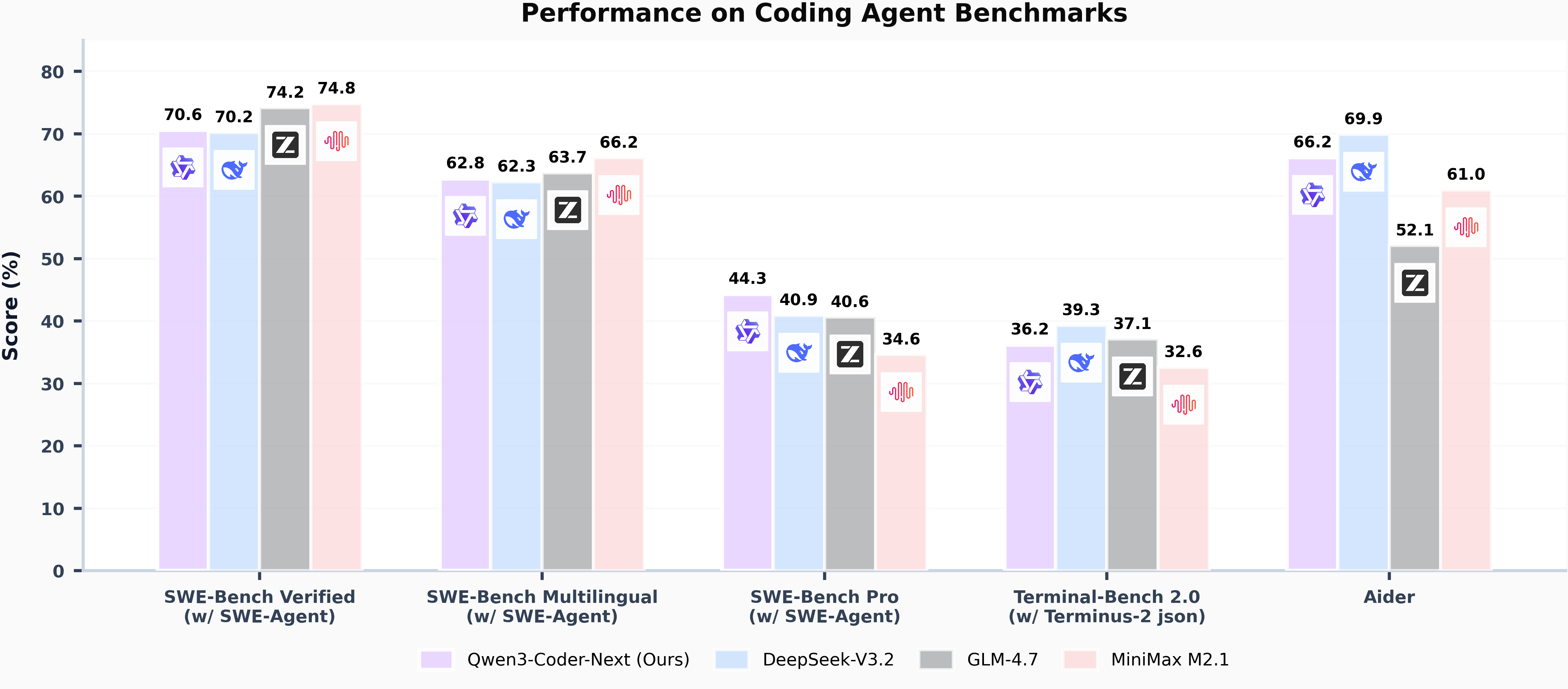
Qwen3-Coder-Next - Alibaba's open-weight, small hybrid model for agentic coding
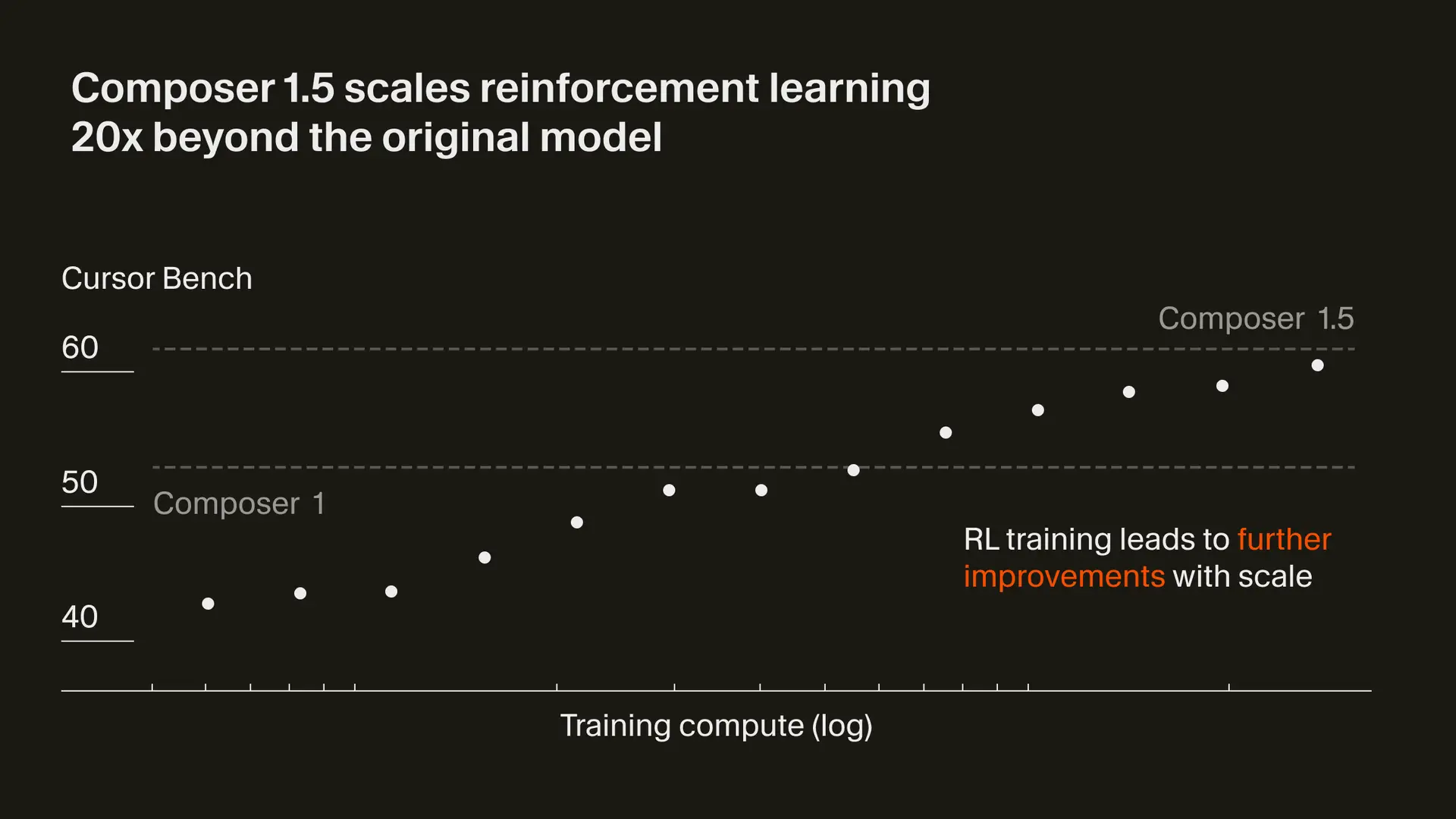
Composer 1.5 - Cursor's updated in-house agentic coding model with increased performance and speed
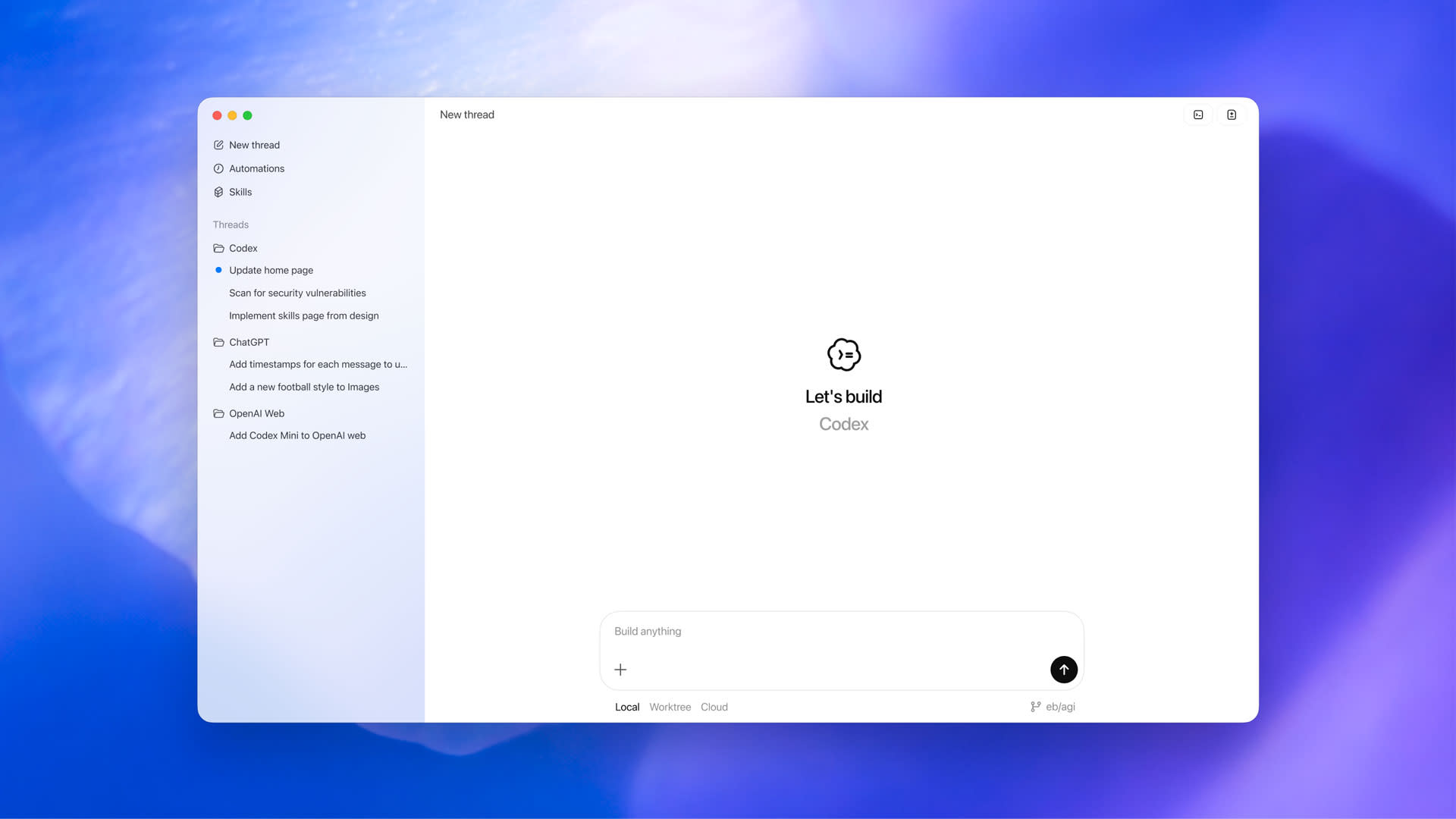
Codex App - OpenAI's new Mac app interface for managing agents with its Codex agentic coding assistant

Oz - Warp's cloud platform for orchestrating hundreds of coding agents in parallel

Get access to all our AI courses, hundreds of real-world AI use cases, live expert-led workshops, an exclusive network of AI early adopters, and more.
Get unlimited access to all of our current & upcoming industry-specific AI courses for the duration of your subscription.
To keep up with the rapid pace of AI, our team publishes AI implementation guides daily. Our library contains 300+ practical use cases to automate real-world work.
Join weekly, live, interactive sessions with industry leaders who are at the forefront of AI for hands-on implementation guidance and exclusive insights.
Network with an exclusive community of AI-first professionals who are working smarter with AI. Learn how early adopters are using AI in their work and businesses.