Founders validating an MVP
Turn a product brief into a working multi-page app, authentication flow and data model before committing to a conventional build.
Independent tool overview
Lovable is a full-stack AI development platform that turns natural-language instructions into editable web applications with frontend, backend, database, authentication and integrations. It is one of the quickest ways for a nontechnical founder or product team to move from an idea to a live prototype, while Git sync gives developers a practical path to own and extend the generated code.
Visit the official Lovable site ↗
Overview
Lovable builds web applications through a conversational agent. Describe the product, users and workflows, and it generates a working codebase rather than a static mockup. You can refine the interface visually or in chat, edit code on paid plans, add integrations and publish the result from the same workspace.
The built-in Lovable Cloud backend provides a database, authentication, storage, realtime features, edge functions, scheduled jobs and secrets on infrastructure based on Supabase's open-source foundation. Existing projects can also keep using an external Supabase project. GitHub and GitLab support two-way sync, so a team can review code, work locally and deploy somewhere other than Lovable.
The speed is real, but production readiness is not automatic. Generated authentication, database policies, integrations and error handling still need deliberate review. Lovable includes basic and deep security scans, yet its own documentation says those tools do not replace a thorough security review for sensitive or critical applications.
Use cases
The strongest fit depends on the job you need the product to complete, not the size of its feature list.
Turn a product brief into a working multi-page app, authentication flow and data model before committing to a conventional build.
Create realistic, interactive prototypes that stakeholders can use instead of reviewing only static screens.
Build campaign sites, lightweight portals, calculators and workflow tools without starting from a blank codebase.
Generate the starting application, sync it to Git and continue with normal branches, reviews, local tools and external deployment.
Capabilities
Generate frontend, backend, database structure, authentication and integrations from a natural-language product description.
Use managed database, auth, storage, realtime, edge functions, scheduled jobs, logs and secrets without separate infrastructure setup.
Iterate through chat and design controls, then inspect or directly edit generated code on a paid plan.
Connect one project to a GitHub or GitLab repository so Lovable changes and commits on the active branch stay synchronized.
Publish to a live Lovable URL from the workspace; paid plans add custom domains and removal of the Lovable badge.
Run basic configuration, dependency and row-level-security checks or a deeper agentic review of access control and code.
Process
Step 1
Define the users, core jobs, data, permissions, pages and explicit non-goals before asking Lovable to generate the project.
Step 2
Start with a single end-to-end workflow rather than generating every planned feature in the first prompt.
Step 3
Choose Lovable Cloud or Supabase, add authentication and store third-party API credentials in server-side secrets.
Step 4
Create an external repository before substantial customization so the team has code history, review and an exit path.
Step 5
Verify row-level policies, roles, invalid inputs, retries, payment states and third-party API failures with realistic accounts.
Step 6
Resolve security findings, review generated code and dependencies, test the production domain and monitor Cloud, AI and credit usage.
Cost
Lovable prices paid workspaces by a shared credit allowance rather than by seat. One balance can cover building, Lovable Cloud hosting and backend use, and AI features inside deployed apps. Pro and Business also receive daily build credits plus monthly Cloud and AI grants. The entry prices below are the official US rates reviewed on August 29, 2026; higher credit allocations and annual discounts are available.
$0
For trying Lovable and building smaller projects.
From $25/month or $250/year
For builders and teams that need editable code, custom domains and more capacity.
From $50/month or $500/year
For growing teams that need stronger access controls and governance.
Custom pricing
For organizations needing contract-based scale, security and governance.
Pricing checked . Check current pricing at the source ↗
Assessment
Compare
The right alternative depends on the specific output, workflow, controls and budget your project requires.
Coding
A browser-based prompt-to-app alternative for developers who want a flexible WebContainer coding environment.
Explore Bolt.new →Coding
A broader hosted development environment with an AI agent, runtime, deployment and established coding workspace.
Explore Replit Agent →Coding
A mature visual no-code platform for teams that prefer explicit workflows and database configuration over generated source code.
Explore Bubble →Design
A strong alternative for generating and iterating on web interfaces in a Vercel- and React-oriented workflow.
Explore Vercel v0 →Questions
Lovable is a full-stack AI development platform that creates editable web applications from natural-language instructions, including frontend, backend, database, authentication and integrations.
Lovable can generate, host and operate production web applications, but generated security, permissions, business logic and failure handling still need human review and testing.
Lovable has a Free plan. Pro starts at $25 monthly for 100 credits, or $250 annually. Business starts at $50 monthly for 100 credits, or $500 annually. Enterprise pricing is custom.
Credits are shared across a workspace and can pay for building, Cloud hosting and backend activity, and AI features inside deployed apps. Default-mode prompts vary by task complexity, while Plan Mode uses one credit per message.
No. Standard workspaces support unlimited members, and the subscription is priced by the number of credits included rather than the number of seats.
Yes. Lovable says customers own their code, projects, customer data and AI output, subject to applicable third-party rights.
Yes. GitHub and GitLab provide two-way sync on all plans. Paid plans also let you download the codebase directly and edit code inside Lovable.
Lovable Cloud uses Supabase's open-source foundation. New projects can use that built-in backend or connect an external Supabase project, while existing Supabase integrations remain supported.
Lovable includes secret storage, row-level-security checks, dependency auditing and deeper code scans. Its documentation still makes the application owner responsible for the final security review, especially for sensitive or critical systems.
Bottom line
Lovable is a compelling choice for turning a well-defined web-app idea into a usable full-stack product quickly. Its strongest differentiator is the bridge from conversational building to an owned Git repository, not simply the quality of the first generated screen. Choose it when speed, shared iteration and an integrated backend matter; budget for developer review, production testing and potentially variable Run usage once real users arrive.
Visit Lovable website ↗
Google AI Studio Build - AI-first vibe coding within Google Studio for Gemini
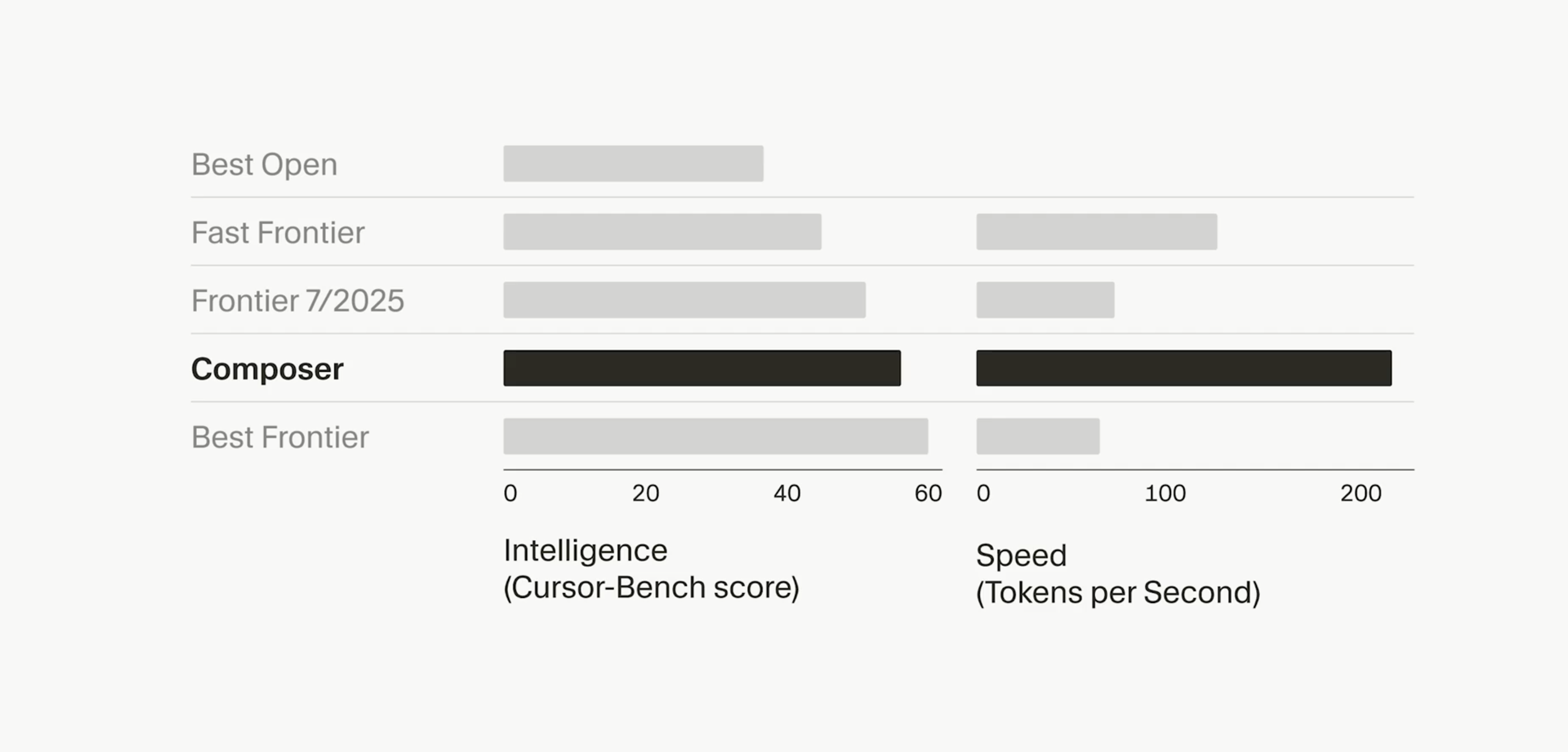
Composer - Cursor's new agent model designed for software engineering intelligence and speed.

SWE-grep - Cognition's fast, agentic model specialized in highly parallel context retrieval
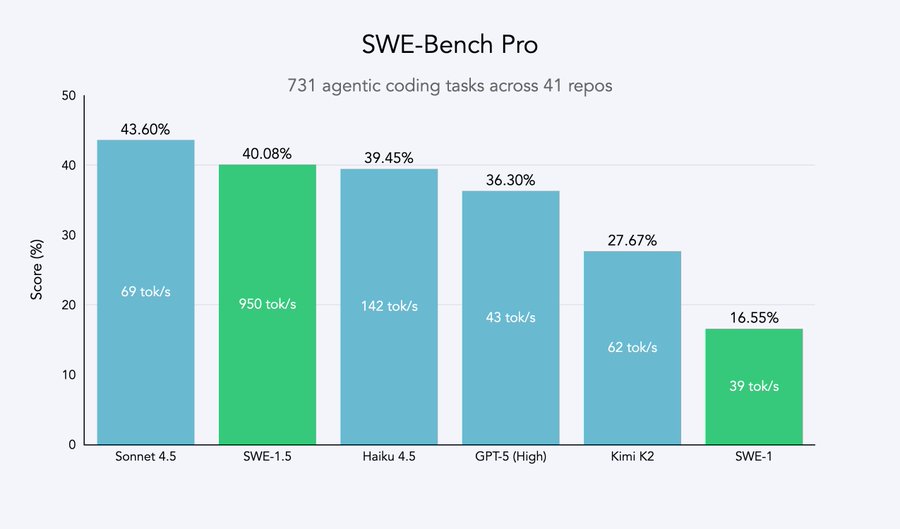
SWE-1.5 - Cognition's fast agentic coding model

Get access to all our AI courses, hundreds of real-world AI use cases, live expert-led workshops, an exclusive network of AI early adopters, and more.
Get unlimited access to all of our current & upcoming industry-specific AI courses for the duration of your subscription.
To keep up with the rapid pace of AI, our team publishes AI implementation guides daily. Our library contains 300+ practical use cases to automate real-world work.
Join weekly, live, interactive sessions with industry leaders who are at the forefront of AI for hands-on implementation guidance and exclusive insights.
Network with an exclusive community of AI-first professionals who are working smarter with AI. Learn how early adopters are using AI in their work and businesses.