Multimodal applications
Use Gemini 3 models when a workflow needs to reason across text, images, audio, video or code.
Independent tool overview
Gemini 3 is Google's third-generation multimodal AI model family. The current lineup spans powerful Pro and Flash models, efficient Flash-Lite variants, live audio, translation, transcription and image or video generation—not one fixed model.
Visit the official Gemini 3 site ↗
Overview
Google launched the Gemini 3 generation in November 2025 with stronger reasoning, multimodal understanding, coding and agentic tool use. It appears across consumer products such as the Gemini app and developer surfaces including Google AI Studio, the Gemini API and Vertex AI.
The name now refers to a changing family. As of this review, Google's API catalog lists Gemini 3.7 Flash as its latest and most capable stable Flash model, Gemini 3.1 Pro Preview for harder multimodal and agentic work, and lower-cost or specialized models for high-volume processing, live audio, translation, transcription, image generation and video.
Developers should select an explicit current endpoint rather than treating “Gemini 3” as a permanent API name. The original Gemini 3 Pro Preview endpoint has been shut down, and preview models can change or disappear. Pin a supported model, evaluate it on your own tasks and maintain a migration path.
Use cases
The strongest fit depends on the job you need the product to complete, not the size of its feature list.
Use Gemini 3 models when a workflow needs to reason across text, images, audio, video or code.
Current Pro and Flash variants are designed for tool use, multi-step execution and software-development tasks.
Flash and Flash-Lite variants give developers several price, latency and capability points for production workloads.
Capabilities
Gemini 3 family members can work with combinations of text, images, audio, video and code, depending on the selected endpoint.
The family is designed for complex instruction following, multi-step reasoning, function calling and agentic execution.
The catalog includes live voice, translation, transcription, image and video variants in addition to general-purpose language models.
Supported API models can use Google Search or Maps grounding, with separate quotas and usage charges.
Process
Step 1
Define the required modalities, quality, latency, throughput, tool use and acceptable cost before selecting a model.
Step 2
Prototype with representative prompts and files, then compare a Pro or current Flash model with a cheaper Flash-Lite option.
Step 3
Measure factual accuracy, tool-call success, latency, safety and full token cost on a fixed test set rather than relying on launch benchmarks.
Step 4
Use an explicit supported model ID, track deprecation notices and regression-test before moving to another family endpoint.
Cost
Gemini API pricing varies by model, modality and service class. As of August 30, 2026, Gemini 3.7 Flash Standard has a free tier and paid rates of $0.75 per million input tokens and $3.75 per million output tokens through December 31, 2026; Google lists higher rates beginning January 1, 2027. Grounding and storage can add separate charges.
Free with limits
Limited access for prototyping and small projects in Google AI Studio and the Gemini API.
$0.75 input / $3.75 output
Paid token rates per one million tokens through December 31, 2026.
Custom
Google Cloud deployment with optional support, security, compliance and provisioned-throughput features.
Pricing checked . Check current pricing at the source ↗
Assessment
Compare
The right alternative depends on the specific output, workflow, controls and budget your project requires.
Consumer
Consider Claude Opus 4.8 when long-form reasoning and Anthropic's agent ecosystem better match the workload.
Explore Claude Opus 4.8 →Consumer
Consider GPT-5.4 when an existing application is built around OpenAI's API and tool stack.
Explore GPT 5.4 →Consumer
Consider Qwen3.5-Omni when open-weight deployment or Alibaba's multimodal ecosystem is important.
Explore Qwen3.5-Omni →Questions
No. Gemini 3 is a family that includes Pro, Flash, Flash-Lite, live audio, translation, transcription, image and video models.
It depends on the task. Google's catalog lists Gemini 3.7 Flash as its latest stable Flash model, while Gemini 3.1 Pro remains a preview option for more demanding multimodal and agentic work.
No. Google's current model catalog marks the original gemini-3-pro-preview endpoint as shut down. Developers should use a current supported model ID.
Yes, eligible models have limited free access. Google says free-tier submitted content may be used to improve its products, while paid-tier content is not used for that purpose.
Bottom line
Gemini 3 is a broad and fast-moving model family with especially strong multimodal breadth and Google ecosystem integration. It is a sensible shortlist choice for agentic, coding and media-rich applications, but teams must evaluate the exact current endpoint—not the family brand—and plan for model migrations.
Visit Gemini 3 website ↗
Grok 4.1 - xAI's latest update to Grok with improved creative abilities, emotional intelligence, and real-world usability.
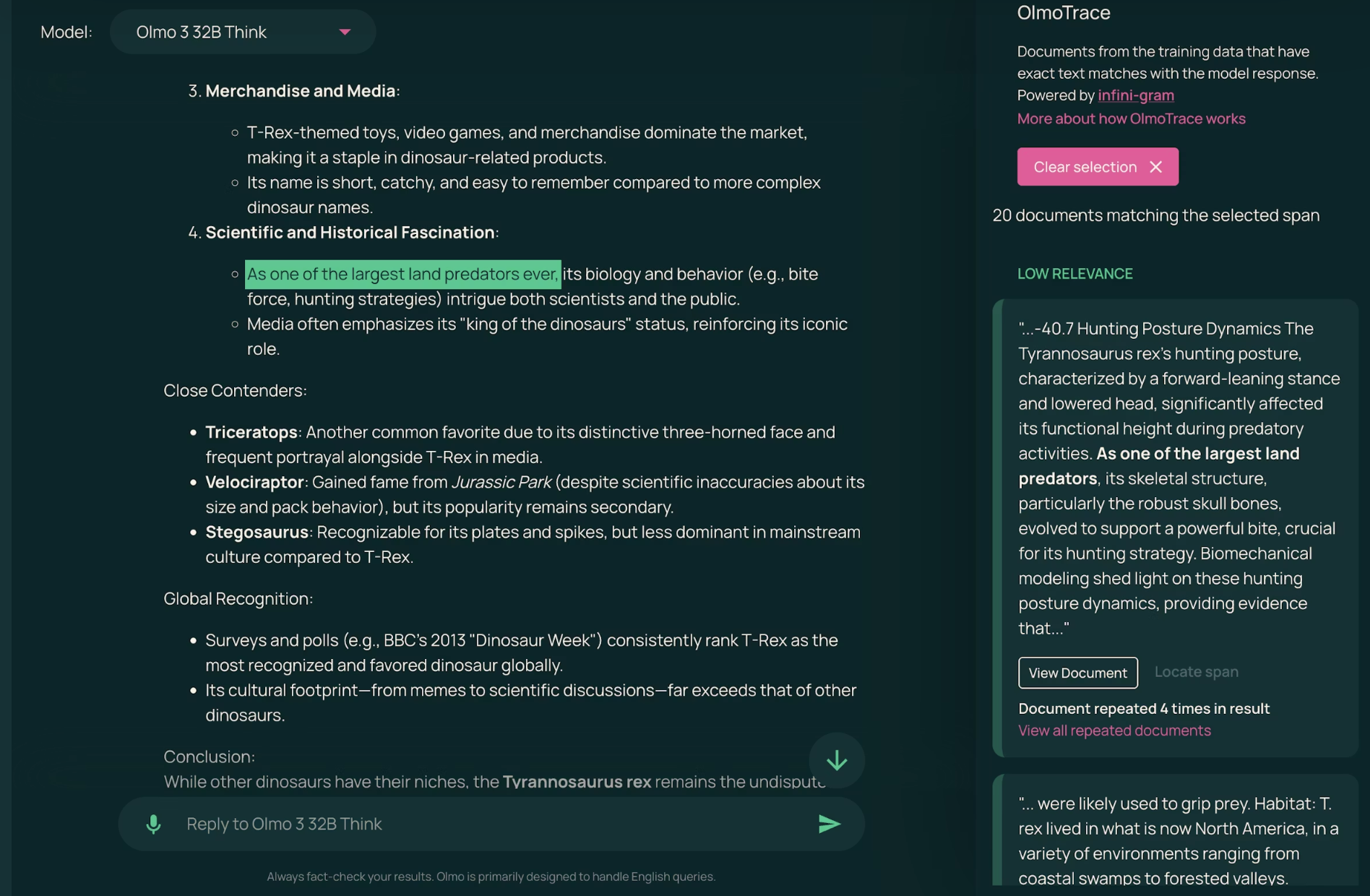
Olmo 3 - AI2's new family of open-source models — including the 32B 3-Think and Base that top benchmarks for open models of its size.

Scribe v2 Realtime- ElevenLabs' accurate, real-time transcription model with 150ms latency across 90+ languages
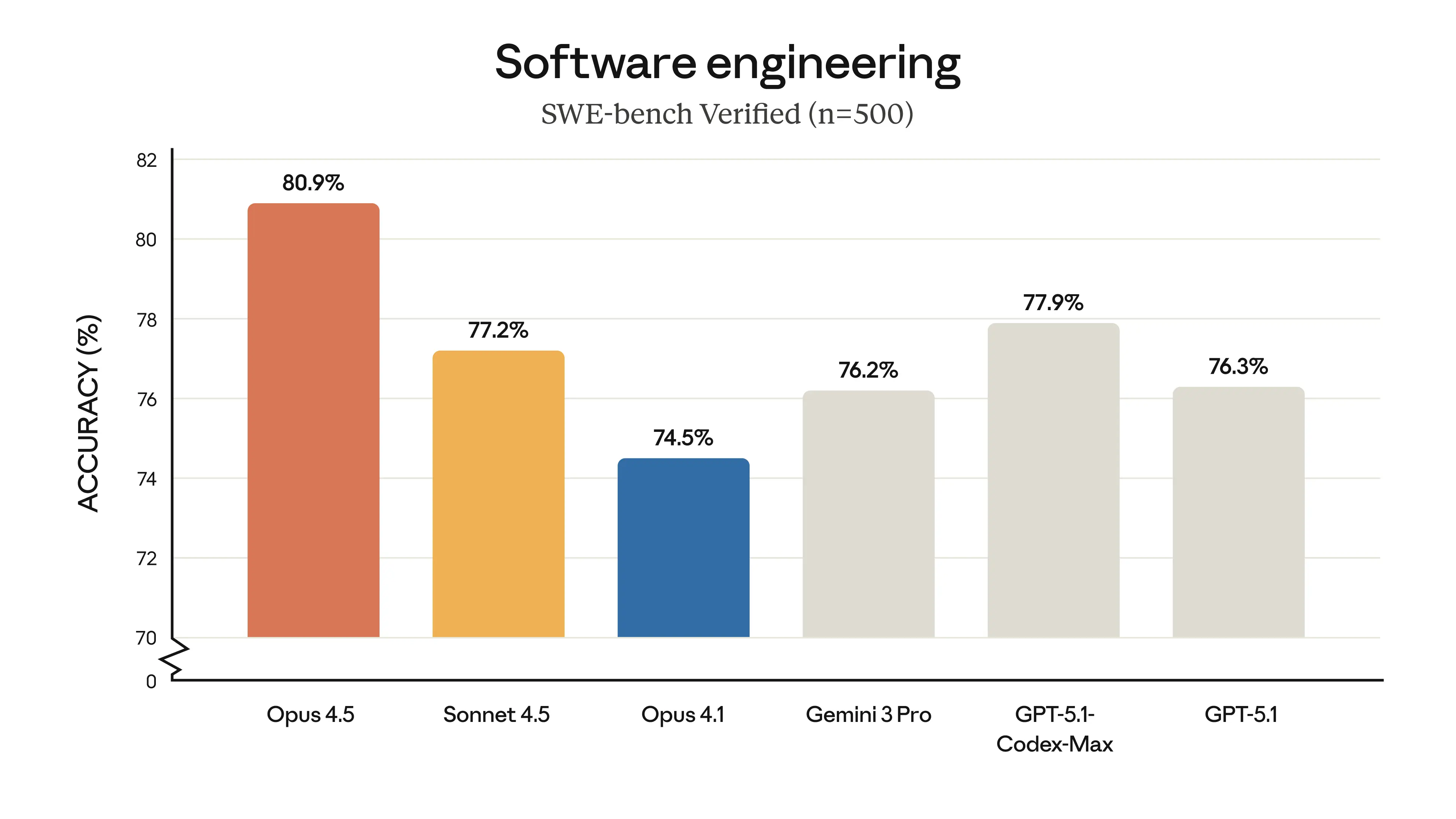
Claude 4.5 Opus - Anthropic's frontier model with SOTA coding, agentic, and computer use capabilities.

Get access to all our AI courses, hundreds of real-world AI use cases, live expert-led workshops, an exclusive network of AI early adopters, and more.
Get unlimited access to all of our current & upcoming industry-specific AI courses for the duration of your subscription.
To keep up with the rapid pace of AI, our team publishes AI implementation guides daily. Our library contains 300+ practical use cases to automate real-world work.
Join weekly, live, interactive sessions with industry leaders who are at the forefront of AI for hands-on implementation guidance and exclusive insights.
Network with an exclusive community of AI-first professionals who are working smarter with AI. Learn how early adopters are using AI in their work and businesses.