Agent and tool-use research
Studying an influential open-weight model designed around function calling and multi-step application workflows.
Independent tool overview
Kimi K2 is Moonshot AI's 2025 mixture-of-experts language model for coding, tool use, knowledge, and agentic workflows. Its original Base and Instruct weights remain downloadable, but Moonshot's current API documentation now recommends newer Kimi models for production use.
Visit the official Kimi K2 site ↗
Overview
Kimi K2 has one trillion total parameters while activating 32 billion for each token. The original release includes a Base checkpoint for research and customization and an Instruct checkpoint for chat, coding, and tool-using applications.
The original Instruct model is a fast, non-thinking model with a 128K context configuration. Moonshot later published an updated 0905 checkpoint with stronger agentic coding and 256K context, followed by separate K2 Thinking and newer multimodal Kimi generations.
The K2 weights remain available under a Modified MIT License, but hosting a model of this size is a serious infrastructure project. Moonshot's current API quickstart recommends Kimi K3, K2.7 Code, or K2.6, so new deployments should benchmark those successors before standardizing on the original K2.
Use cases
The strongest fit depends on the job you need the product to complete, not the size of its feature list.
Studying an influential open-weight model designed around function calling and multi-step application workflows.
Testing code generation and repository tasks where generated changes can be executed and scored automatically.
Research teams with substantial infrastructure that want a Base checkpoint for fine-tuning or specialized post-training.
Organizations already using the original checkpoint that need accurate documentation before deciding whether to migrate.
Capabilities
Uses one trillion total parameters but activates 32 billion per token to balance model capacity with inference efficiency.
Provides a foundation checkpoint for customization and a post-trained checkpoint for general chat and agentic applications.
Moonshot trained and evaluated K2 for tool use, coding, and autonomous problem-solving rather than only conversational response quality.
The original Kimi-K2-Instruct configuration supports a 131,072-token context window.
A later K2 Instruct variant expands context to 256K and targets stronger agentic coding behavior.
Official examples show local chat through an OpenAI-style client once a compatible inference server is running.
Moonshot documents deployment paths involving vLLM, SGLang, KTransformers, and TensorRT-LLM.
The official checkpoints are distributed in block-FP8 form to reduce the footprint compared with full-precision weights.
Process
Step 1
Compare original K2 with K2.6, K2.7 Code, K3, and any hosted options before committing to a legacy checkpoint.
Step 2
Check the Modified MIT terms, including the attribution requirement for very large commercial products or services.
Step 3
Use Base only when custom training is justified; use Instruct or a newer successor for application-facing tasks.
Step 4
Size storage, accelerator memory, quantization, context, throughput, redundancy, and serving software for the real workload.
Step 5
Run representative tasks with executable tests, tool-call validation, latency measurement, and adversarial failure cases.
Step 6
Protect credentials and tools, restrict permissions, validate arguments and outputs, log actions, and require human approval for consequential changes.
Cost
Moonshot publishes the original Kimi K2 checkpoints for download under a Modified MIT License. The weights do not carry a subscription fee, but users pay for compute, storage, engineering, security, and operations. Current hosted API pricing should be checked against Moonshot's live model catalog because the original K2 is no longer its recommended starting model.
Free download
Download Kimi K2 Base or Instruct and operate it under the Modified MIT License.
Pricing checked . Check current pricing at the source ↗
Assessment
Compare
The right alternative depends on the specific output, workflow, controls and budget your project requires.
Consumer
Kimi K2.6 is Moonshot's newer general-purpose model with multimodal input, thinking and non-thinking modes, and current API documentation.
Explore Kimi K2.6 →Coding
Kimi K2.7 Code is the newer Kimi option for coding agents and repository work.
Explore Kimi K2.7 Code →Consulting
Kimi K3 is Moonshot's current flagship and the default recommendation in its latest API quickstart.
Explore Kimi K3 →Questions
Kimi K2 is Moonshot AI's 2025 mixture-of-experts language model for knowledge, coding, tool use, and agentic tasks. It has one trillion total parameters and activates 32 billion per token.
Moonshot publishes the K2 code and model weights under a Modified MIT License. The license is permissive but includes an extra display requirement for products or services above specified scale thresholds.
The original weights remain available, but they are no longer Moonshot's recommended starting point. Its current API guide highlights Kimi K3, K2.7 Code, and K2.6.
The downloadable weights have no subscription price. Self-hosting requires significant compute and operational spending, while hosted model prices should be checked in Moonshot's current platform catalog.
The original K2 Instruct checkpoint is a reflex-style non-thinking model. Kimi K2 Thinking is a separate later checkpoint designed for explicit multi-step reasoning and longer tool-use sequences.
Bottom line
Kimi K2 is still useful as an open-weight reference model and for teams maintaining an existing deployment. It should not be the automatic choice for a new build in 2026: Moonshot has released multiple successors and now recommends them in its own API guide. Benchmark the current Kimi lineup first, then use original K2 only when its specific compatibility, checkpoint, or research value wins.
Visit Kimi K2 website ↗
Comet - Perplexity’s new AI-first browser
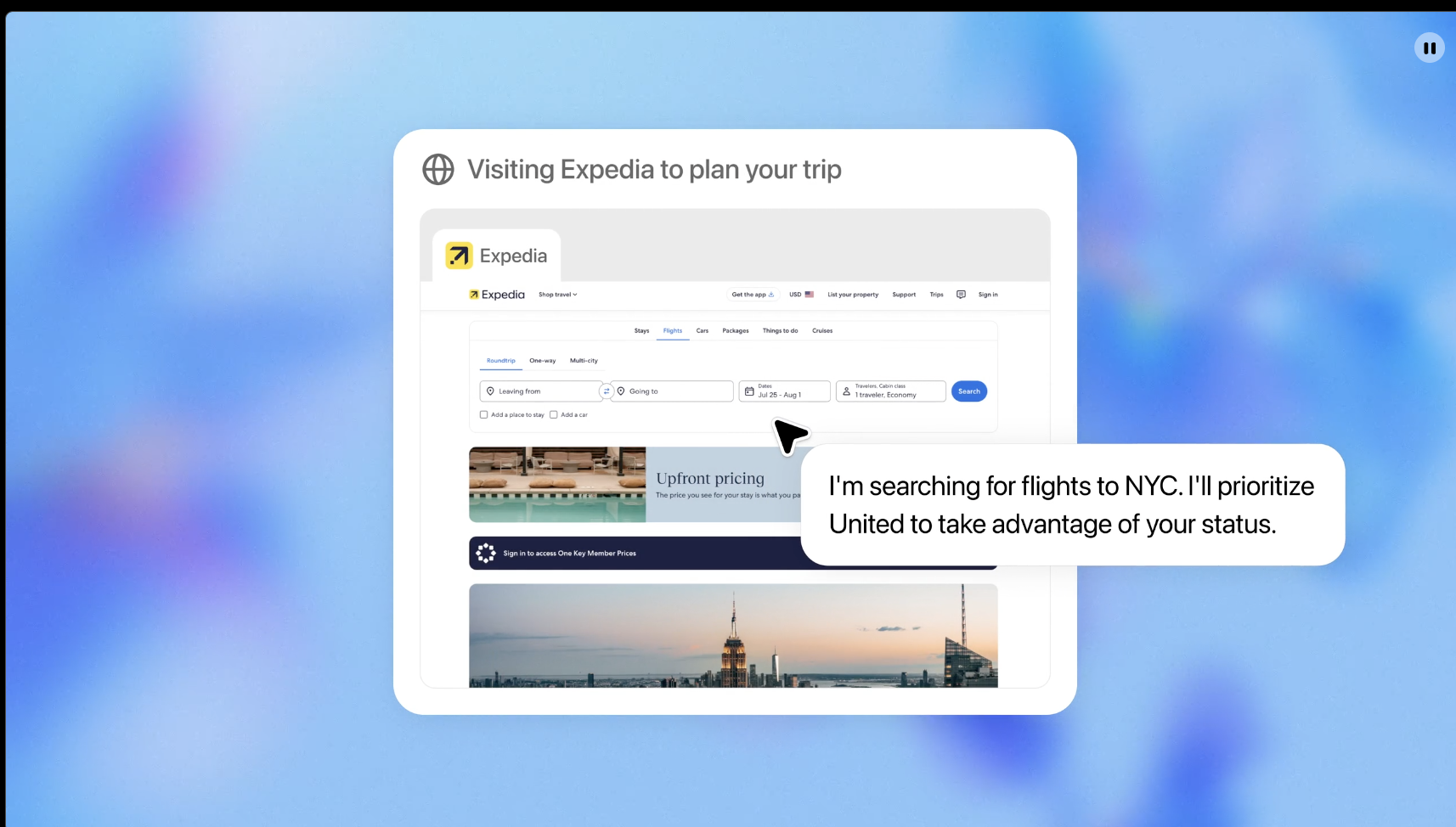
ChatGPT Agent - ChatGPT now thinks and acts, proactively choosing from a toolbox of agentic skills to complete tasks for you using its own computer.

Mistral AI: Develops open-weight, high-performance language models designed for efficiency and customization.
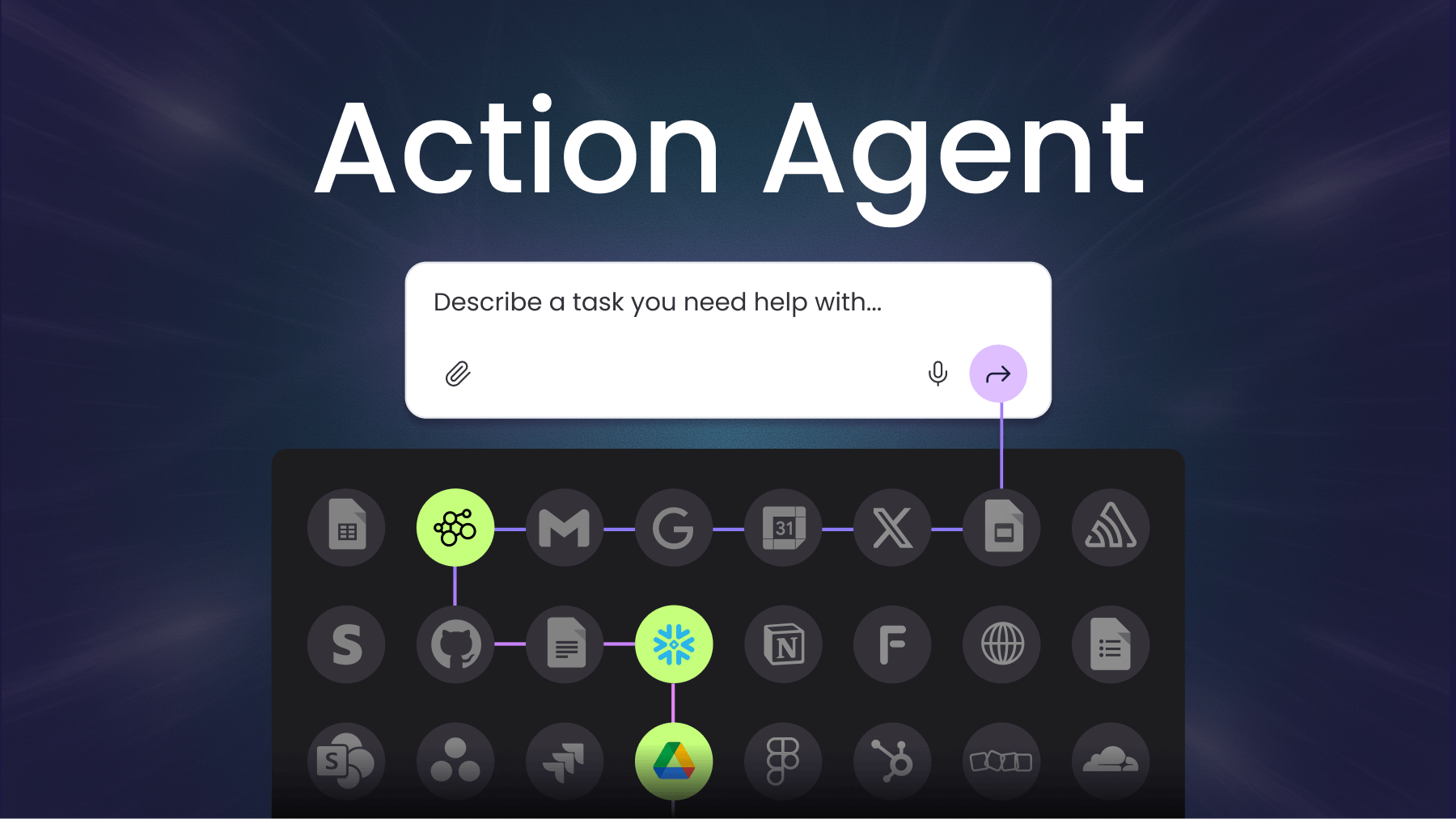
Action Agent - Writer's enterprise-ready autonomous AI that works on your behalf

Get access to all our AI courses, hundreds of real-world AI use cases, live expert-led workshops, an exclusive network of AI early adopters, and more.
Get unlimited access to all of our current & upcoming industry-specific AI courses for the duration of your subscription.
To keep up with the rapid pace of AI, our team publishes AI implementation guides daily. Our library contains 300+ practical use cases to automate real-world work.
Join weekly, live, interactive sessions with industry leaders who are at the forefront of AI for hands-on implementation guidance and exclusive insights.
Network with an exclusive community of AI-first professionals who are working smarter with AI. Learn how early adopters are using AI in their work and businesses.