Production agent backends
Build agents that need durable sessions, isolated execution, approvals, deployment, and recovery rather than a short-lived chat loop.
Independent tool overview
eve is Vercel's open-source, filesystem-first TypeScript framework for building durable backend AI agents. It packages the production plumbing—sessions, sandboxed compute, approvals, tools, skills, subagents, channels, schedules, and evals—into a directory structure that teams can inspect and version in Git.
Visit the official eve site ↗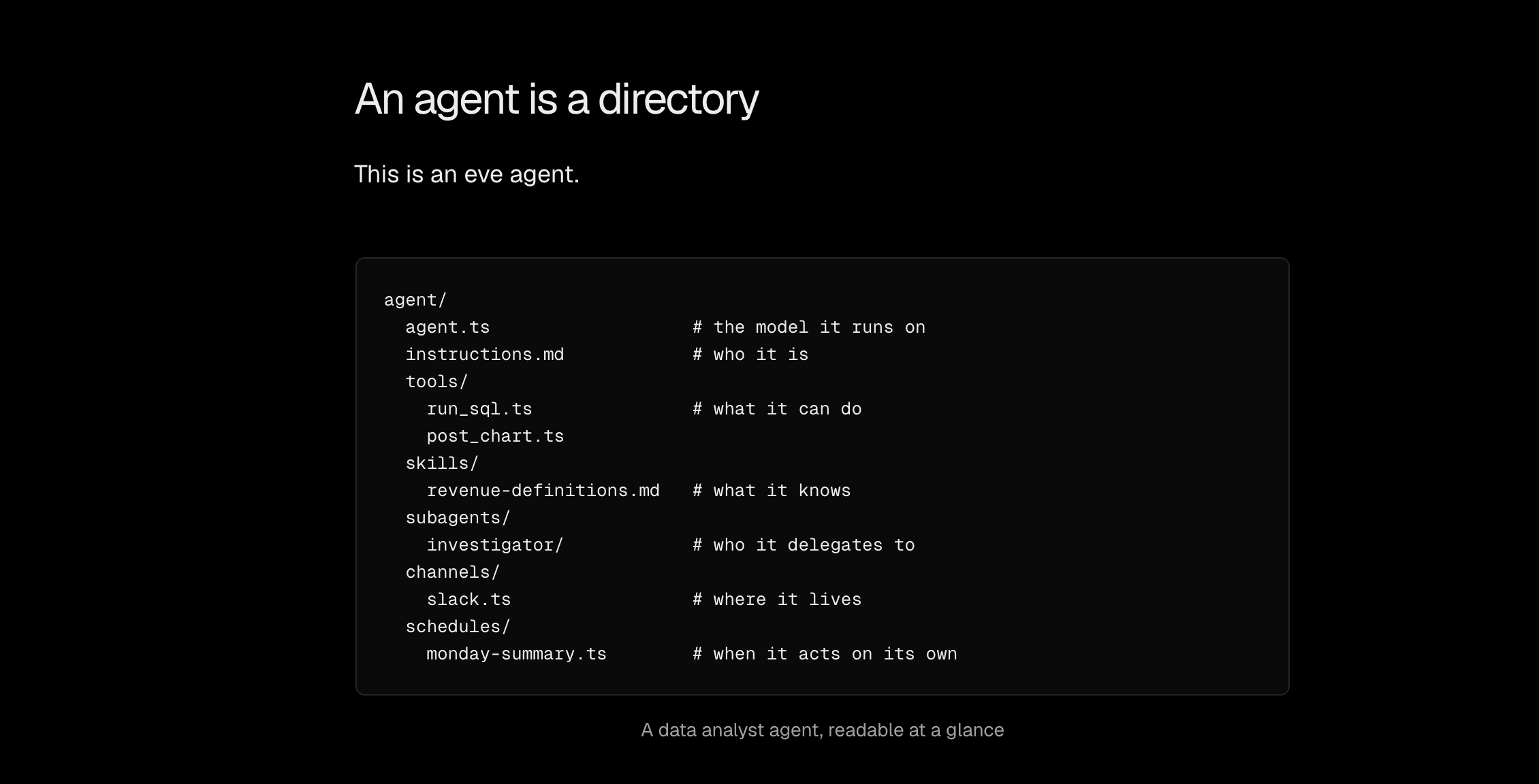
Overview
eve treats an agent as a directory. Markdown files define instructions and reusable skills, TypeScript files define tools and runtime configuration, and folders add channels, schedules, connections, or specialist subagents. The result is readable at a glance and fits naturally into code review and deployment workflows.
The framework's strongest argument is operational rather than conversational. Each conversation runs as a durable workflow that can pause and resume; generated code executes in a separate sandbox; sensitive actions can require human approval; and the same agent can be exposed through HTTP, Slack, Discord, Teams, Telegram, Twilio, GitHub, Linear, or custom adapters.
eve is currently in beta. It is a strong fit for TypeScript teams already comfortable with Vercel's platform and code-first agent architecture, but it is not a no-code chatbot builder. Expect to own model selection, tool safety, eval coverage, observability, application logic, and the usage costs of the infrastructure and model providers behind the agent.
Use cases
The strongest fit depends on the job you need the product to complete, not the size of its feature list.
Build agents that need durable sessions, isolated execution, approvals, deployment, and recovery rather than a short-lived chat loop.
Keep instructions in Markdown and runtime behavior in typed code inside the same repository and review process.
Expose one agent through HTTP and supported team channels without rebuilding the core logic for every surface.
Put approval gates around expensive or destructive tools and use evals as deployment checks.
Capabilities
Uses conventional agent folders for instructions, tools, skills, connections, subagents, channels, schedules, and sandbox configuration.
Checkpoints agent work with Vercel's Workflow SDK so long-running conversations can pause for people, survive failures or deployments, and resume.
Runs agent-generated code outside the application runtime. Deployed agents can use Vercel Sandbox, while local adapters include Docker, microsandbox, or just-bash.
Lets tool authors declare when an action needs approval, including conditional gates based on the proposed input.
Supports typed tools, on-demand Markdown skills, MCP servers, OAuth connections, and model-provider fallbacks through AI Gateway.
Agents can delegate to specialist directories with their own instructions and tools, or initiate work on a recurring schedule.
Includes HTTP by default and adapters for popular collaboration channels; an eve project deploys as a regular Vercel project with preview environments.
The eve eval workflow can score behavioral suites and prevent a prompt, tool, or instruction regression from shipping.
Process
Step 1
Start a new project with the current eve initializer or install eve into an existing TypeScript application.
Step 2
Write the always-on instructions in agent/instructions.md and choose or configure a model in agent/agent.ts.
Step 3
Create typed tools and narrowly scoped skills, then add approval requirements to actions that are expensive, sensitive, or difficult to reverse.
Step 4
Configure MCP or service connections, then add HTTP, Slack, GitHub, or other channel adapters required by the use case.
Step 5
Exercise session continuation, timeouts, authorization, approval denial, tool errors, sandbox boundaries, and model-provider fallbacks.
Step 6
Ship the Vercel project, validate the preview deployment, and run representative evals in CI before production promotion.
Cost
The eve framework is open source under the Apache 2.0 license and does not carry a separate framework subscription. A real deployment can still incur usage charges for Vercel hosting, Workflow, Sandbox, AI Gateway or model-provider calls, storage, and connected third-party services. Costs therefore depend on the architecture and agent workload rather than a fixed eve plan.
Free and open source
The framework source is available under Apache 2.0.
Infrastructure-dependent
Run locally with supported sandbox adapters and your chosen model credentials.
Usage-based platform costs
Production costs follow the Vercel services and model traffic the agent consumes.
Pricing checked . Check current pricing at the source ↗
Assessment
Compare
The right alternative depends on the specific output, workflow, controls and budget your project requires.
Agents
Consider OpenAI Agent Builder when a visual workflow canvas and OpenAI's hosted agent stack are a better fit than a filesystem-first TypeScript framework.
Explore Agent Builder →Coding
Consider AgentOps when the immediate need is observing, testing, and debugging agents built with another framework.
Explore AgentOps →Business Operations
Consider n8n for a broader visual automation platform with agent steps and a large integration catalog.
Explore n8n →Agents
Consider GitHub Agent HQ when the goal is orchestrating coding agents around repositories rather than building a general backend agent runtime.
Explore GitHub Agent HQ →Questions
eve is an open-source, filesystem-first TypeScript framework for durable backend AI agents. Instructions, skills, tools, connections, channels, subagents, and schedules are represented as files and folders.
The framework itself is free and open source under Apache 2.0. You still pay for the models, hosting, workflows, sandboxes, storage, and third-party services used by a production agent.
Vercel says it runs its own agents on eve, but the public project is currently labeled beta and its APIs and behavior may change. Evaluate that stability tradeoff before adopting it for a critical system.
The framework uses adapters for models and some infrastructure, and local sandbox options include Docker and microsandbox. Its documented production path is most integrated with Vercel, and support for other deployment platforms is still developing.
eve supports model configuration and provider fallbacks through Vercel AI Gateway, so it is not limited to one model vendor. Availability and costs follow the selected providers.
Tool definitions can require human approval, including conditional approval based on the proposed input. That is useful, but teams must still design authorization, tool scope, validation, audit logs, and failure handling.
Bottom line
eve is a compelling batteries-included framework for TypeScript teams that want agent behavior to remain legible as files while gaining durability, isolated compute, approvals, channels, and evals. Its beta status and Vercel-centric production path are the main tradeoffs. Prototype a representative agent, measure the full infrastructure and model cost, and test safety and recovery paths before standardizing on it.
Visit eve website ↗
GLM 5.2 - Z AI's new flagship coding model with usable 1M context

Devin Fusion - Cognition's multi-model, cost-cutting coding harness
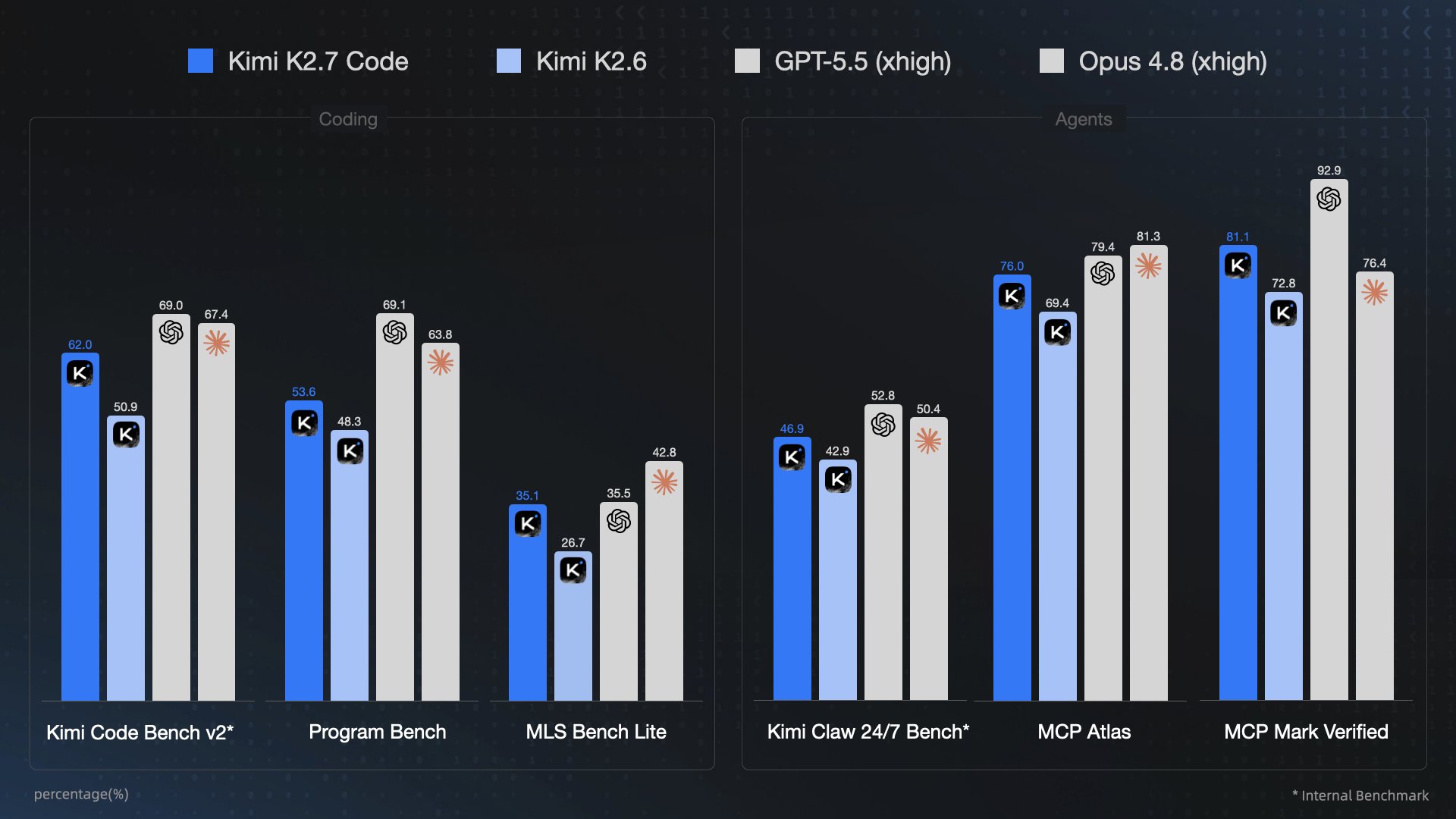
Kimi-K2.7-Code - Moonshot's open-source coding model, 30% leaner on reasoning
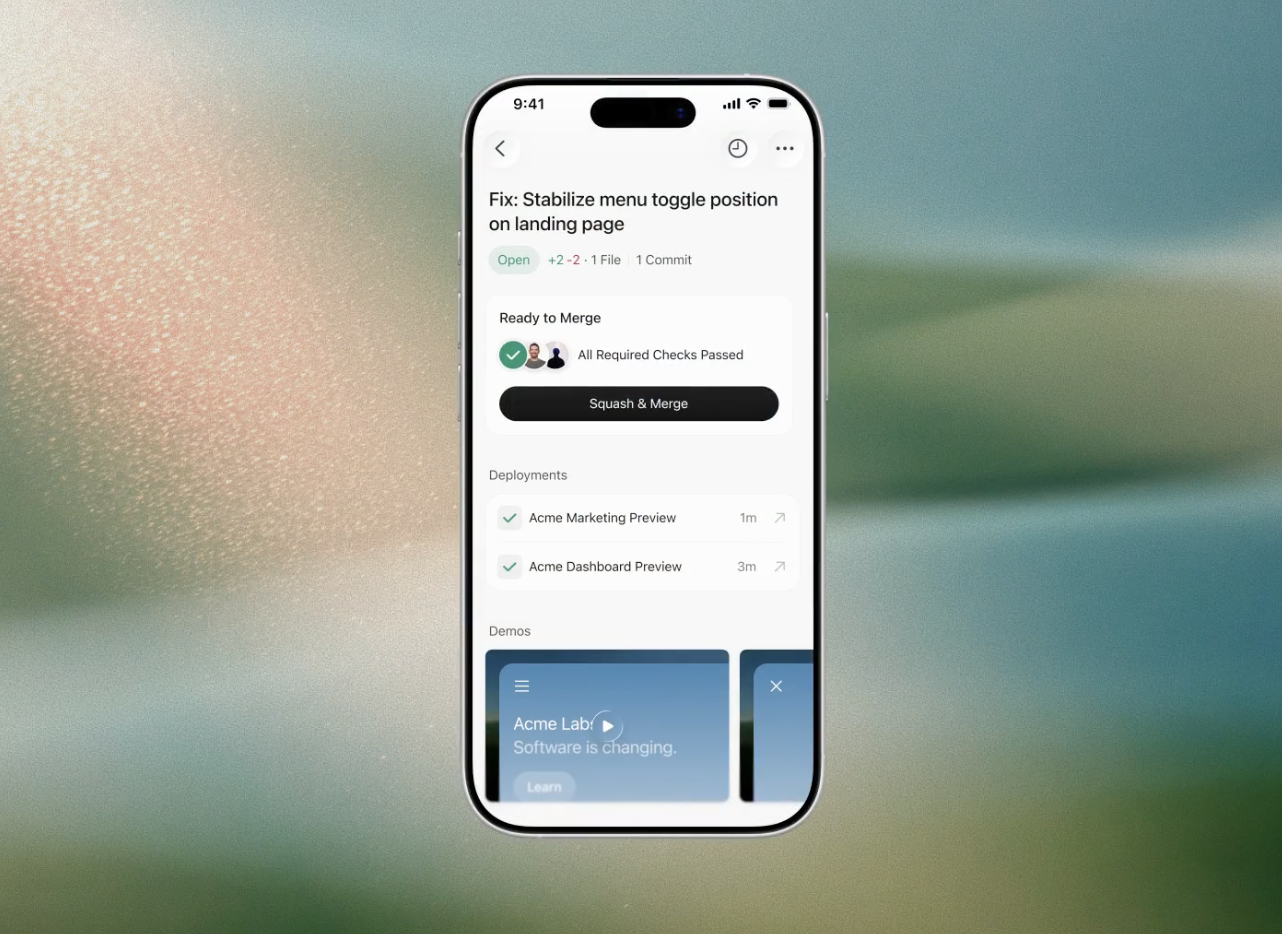
Cursor for iOS - Cursor's new mobile experience for coding on-the-go

Get access to all our AI courses, hundreds of real-world AI use cases, live expert-led workshops, an exclusive network of AI early adopters, and more.
Get unlimited access to all of our current & upcoming industry-specific AI courses for the duration of your subscription.
To keep up with the rapid pace of AI, our team publishes AI implementation guides daily. Our library contains 300+ practical use cases to automate real-world work.
Join weekly, live, interactive sessions with industry leaders who are at the forefront of AI for hands-on implementation guidance and exclusive insights.
Network with an exclusive community of AI-first professionals who are working smarter with AI. Learn how early adopters are using AI in their work and businesses.