Cinematic character performances
Teams with licensed character art and audio that want more body and camera motion than basic portrait lip sync.
Independent tool overview
Wan2.2-S2V-14B is Alibaba Tongyi Lab's open-weight speech-to-video model. It animates a reference image from audio and an optional prompt, supports half- and full-body performance at 480p or 720p, and can follow a pose video, but local inference requires at least 80GB of GPU memory.
Visit the official Wan2.2-S2V site ↗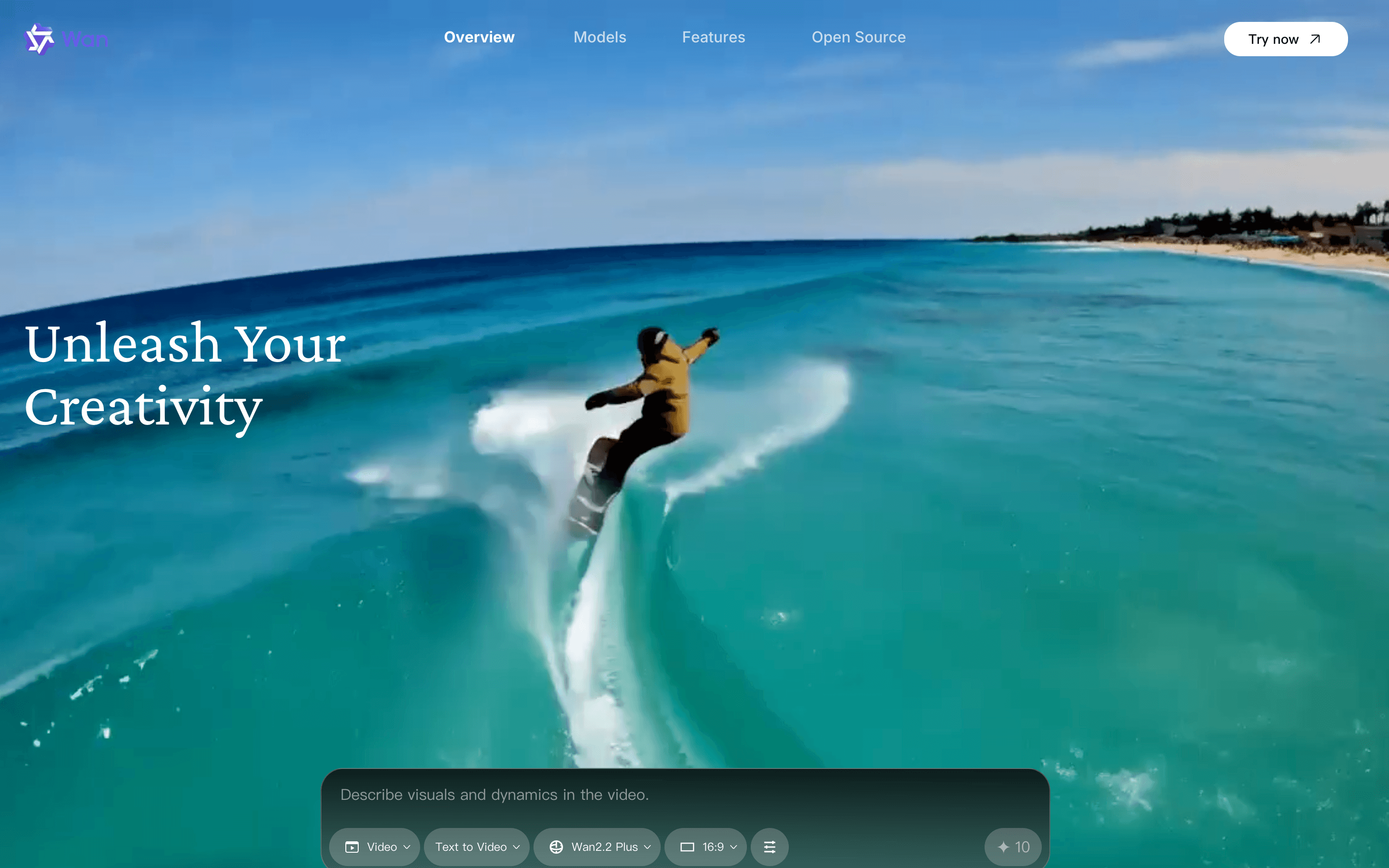
Overview
Wan2.2-S2V takes a still character image, an audio track, and an optional scene prompt and generates a synchronized performance video. Unlike a simple talking-head lip-sync tool, the research release targets facial expression, body movement, camera motion, environment, dialogue, singing, and broader cinematic staging.
The official implementation supports 480p and 720p output. Video length follows the input audio unless the user limits the number of generated clips, and an optional pose video can guide body motion. The repository also integrates CosyVoice for generating source speech, although that adds dependencies and a second identity-and-rights review.
This is a 14B-parameter self-hosted model rather than a polished editing subscription. The first-party command is documented for a GPU with at least 80GB of VRAM, while multi-GPU inference uses FSDP and DeepSpeed Ulysses. An official Hugging Face Space is running for experimentation, but shared demos are not a production service or privacy guarantee.
The code and model are published under Apache 2.0, and the model card says the authors claim no rights over generated content. That does not grant rights to a person's image, voice, performance, music, character, trademark, or source footage. Because the model can make a real person appear to speak, sing, or act, explicit consent, disclosure, provenance, and human review are essential.
Use cases
The strongest fit depends on the job you need the product to complete, not the size of its feature list.
Teams with licensed character art and audio that want more body and camera motion than basic portrait lip sync.
Filmmakers and music-video creators testing a consented performance before committing to final production.
Technical artists who can provide a pose video to shape body movement alongside the audio.
Developers with high-memory GPU infrastructure who need open weights and control over the local generation stack.
Capabilities
Animates one reference character image in sync with an input speech, song, or performance track.
The model is designed to generate facial expression, gestures, posture, and broader body movement.
An optional text prompt describes setting, action, emotion, weather, camera movement, and visual style.
An optional motion reference can drive a more specific pose sequence during generation.
The pipeline sets output length from the supplied audio unless a shorter clip count is requested.
The official S2V model supports both resolutions while following the source image's aspect ratio.
The repository can generate the audio track through CosyVoice before animating the image.
Official code, weights, single-GPU commands, and distributed inference are available for local deployment.
Process
Step 1
Document permission for the image, likeness, voice, performance, music, character, pose footage, script, commercial use, distribution, and synthetic transformation.
Step 2
Prefer fictional, owned, or clearly licensed characters. Avoid real people when a designed identity meets the creative need.
Step 3
Use a clear, appropriately framed half- or full-body image with no private background details, bystanders, or unauthorized marks.
Step 4
Confirm speaker and music rights, remove private conversation, and listen for words that could create a false endorsement or harmful claim.
Step 5
Describe action, emotion, setting, camera, and lighting without changing identity or inventing consequential conduct.
Step 6
Use the clip-count control to test sync, identity, hands, movement, clothing, and scene consistency before a long run.
Step 7
Use an owned or consented motion reference and check that the generated body movement remains appropriate.
Step 8
Check lip sync, face, hands, anatomy, camera motion, text, logos, cultural details, and unintended sexualization or violence.
Step 9
Label the video as AI-generated or altered, retain consent records and source provenance, and remove it quickly if rights are withdrawn or misuse appears.
Cost
Wan2.2-S2V is an open-weight model with no per-generation software fee in the official repository. Real cost comes from an 80GB-or-larger GPU, storage, engineering, retries, and moderation. The official Hugging Face Space can be used as a shared demo while available, not as guaranteed free production capacity.
Shared demo
A running public interface for testing the model without a local installation.
No model usage fee
Download the official code and weights and operate the model on your own infrastructure.
Infrastructure-dependent
Scale generation with multiple GPUs and the repository's distributed inference approach.
Pricing checked . Check current pricing at the source ↗
Assessment
Compare
The right alternative depends on the specific output, workflow, controls and budget your project requires.
Content Creator
Choose Hedra for a more accessible hosted character-video workflow with integrated voice and creative tools instead of an 80GB self-hosted model.
Explore Hedra →Content Creator
Choose Hailuo AI for a managed image-to-video product when ease of generation matters more than open weights and pose-guided control.
Explore Hailuo AI →Content Creator
Choose Vidu for a hosted video platform and API with reference-based generation, current commercial plans, and less infrastructure work.
Explore Vidu →Questions
Wan2.2-S2V-14B is an open-weight speech-to-video model from Alibaba Tongyi Lab that animates a reference image from audio, an optional prompt, and optional pose guidance.
Yes. The official project page, GitHub repository, model weights, and running Hugging Face Space were available when checked on September 1, 2026.
It means speech-to-video. The model turns an image and audio performance into a synchronized character video rather than generating speech itself by default.
A reference image and audio track are the core inputs. A text prompt can direct the scene, and an optional pose video can guide body movement.
The official pipeline supports 480p and 720p, with output aspect ratio following the reference image.
The documented single-GPU S2V command requires at least 80GB of VRAM. Multiple GPUs are supported through a more complex distributed setup.
Without a clip-count limit, the repository says video length automatically adapts to the input audio. Longer runs require more compute and can accumulate visual drift.
Yes. The research release targets both half- and full-body characters, including facial expressions, gestures, movement, and scene-level camera behavior.
Yes. Singing and performance are highlighted use cases, but the creator must hold rights to the voice, recording, music, lyrics, image, and depicted identity.
The repository can optionally use CosyVoice to synthesize audio before video generation. That requires extra dependencies and separate voice-cloning consent and disclosure controls.
There is no official per-generation model fee for self-hosting, and a shared Hugging Face demo is running. Hardware, cloud GPU time, storage, engineering, and review can be substantial.
The official model card lists Apache 2.0 and says generated content belongs to the user, but commercial use still requires compliance with the full license, published restrictions, and every third-party image, voice, music, character, trademark, privacy, and publicity right.
Only with explicit, specific, revocable authorization for the exact synthetic use. Do not create deceptive speech, fake endorsements, fabricated evidence, sexual content, political manipulation, or other harmful impersonation.
Yes whenever a reasonable viewer could think the depicted event or performance is real. Preserve source and consent records and use platform provenance tools where available.
Bottom line
Wan2.2-S2V is a technically impressive open speech-to-video model for teams that need broad character motion, promptable scenes, audio synchronization, and pose control. It is not an instant replacement for a hosted creator app: the 80GB VRAM requirement, engineering burden, frame-level defects, and deepfake risk are substantial. Use it for fictional or explicitly consented identities, budget for human post-production, and treat rights and disclosure as core pipeline requirements.
Visit Wan2.2-S2V website ↗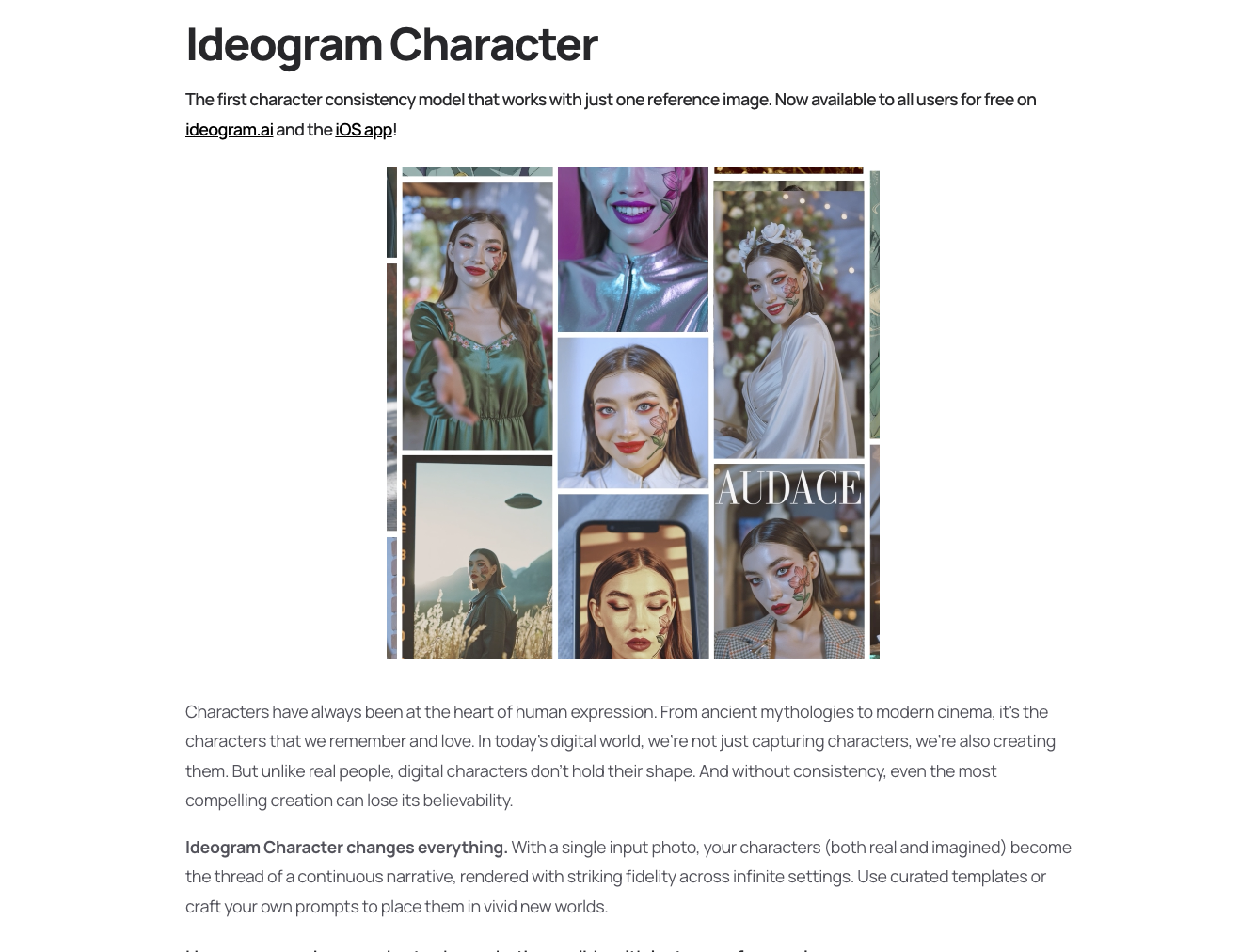
Character - Ideogram's character consistency model that works with just one reference image
Stable Audio 2.5 - Stability AI's new audio model for enterprise-grade outputs
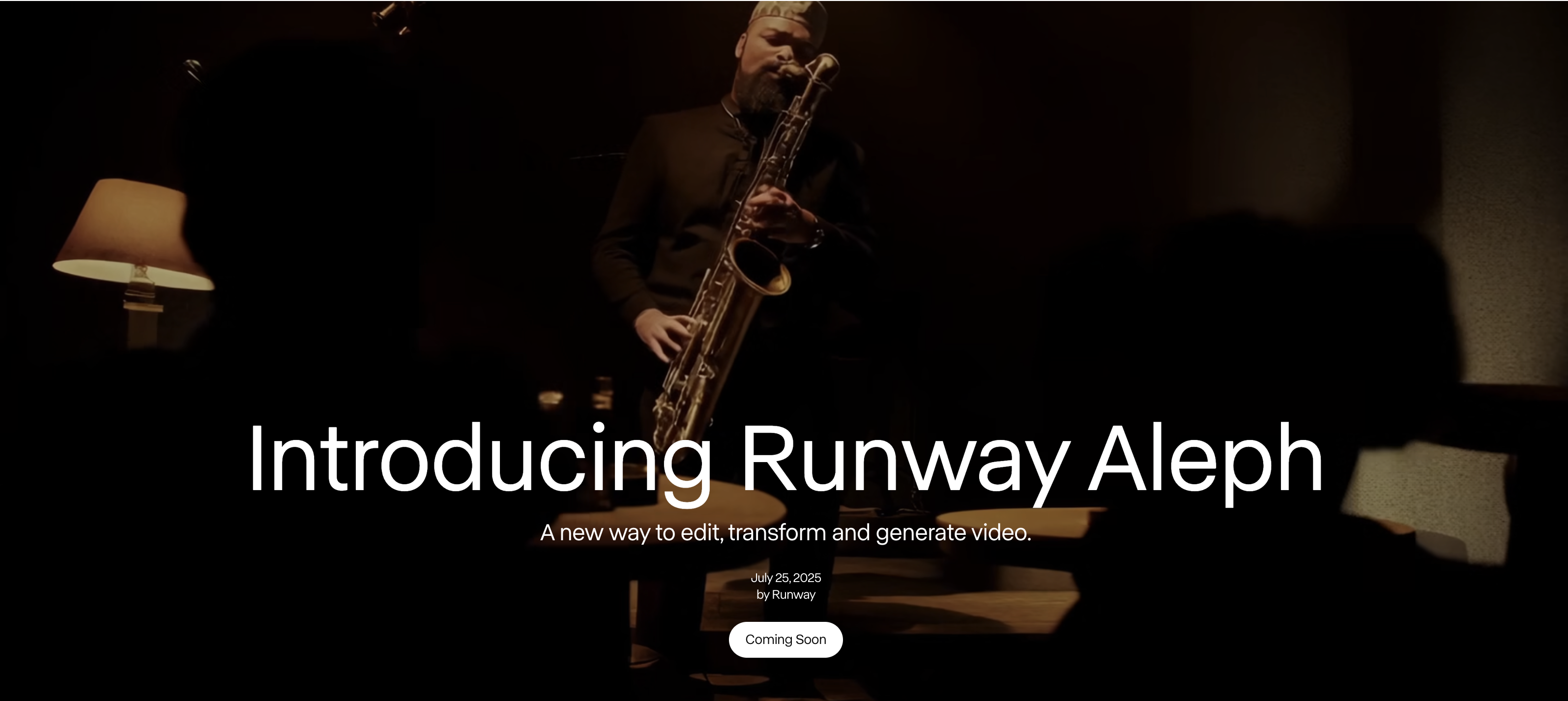
Runway Aleph - A new “in-context” video model that edits and transforms existing footage through text prompts, handling tasks from generating new camera angles to removing objects and adjusting lighting.
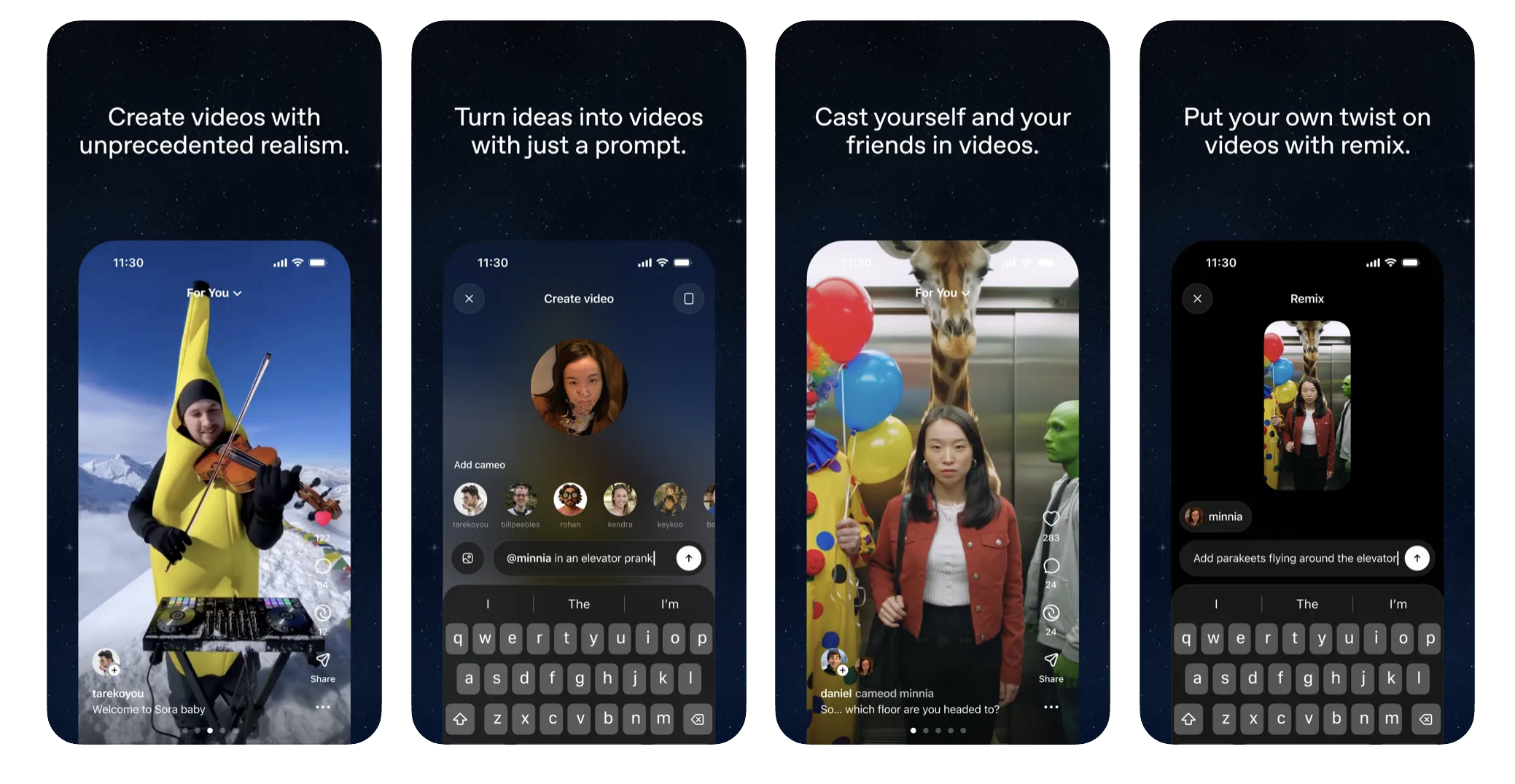
Sora 2 - OpenAI's SOTA video generation model

Get access to all our AI courses, hundreds of real-world AI use cases, live expert-led workshops, an exclusive network of AI early adopters, and more.
Get unlimited access to all of our current & upcoming industry-specific AI courses for the duration of your subscription.
To keep up with the rapid pace of AI, our team publishes AI implementation guides daily. Our library contains 300+ practical use cases to automate real-world work.
Join weekly, live, interactive sessions with industry leaders who are at the forefront of AI for hands-on implementation guidance and exclusive insights.
Network with an exclusive community of AI-first professionals who are working smarter with AI. Learn how early adopters are using AI in their work and businesses.