Agent-ready design systems
Teams that want coding agents to work from explicit tokens, patterns, and interface rules.
Independent tool overview
Open Design is an open-source, local-first workflow for analyzing interface references, extracting reusable design rules, and producing editable design artifacts that can be shared with coding agents.
Visit the official Open Design site ↗
Overview
The project treats a design system as structured project context rather than a sealed visual file. Users can analyze references, capture tokens and patterns, and keep the output close to the code and agent workflow.
That approach is useful for agent-led implementation, but generated rules still need design review. Reference rights, accessibility, responsive behavior, and component semantics cannot be inferred reliably from screenshots alone.
Use cases
The strongest fit depends on the job you need the product to complete, not the size of its feature list.
Teams that want coding agents to work from explicit tokens, patterns, and interface rules.
Designers and developers translating approved visual references into a reusable local system.
Capabilities
Analyzes references to identify visual rules, tokens, and reusable patterns.
Keeps generated design context editable and close to the implementation workflow.
Provides CLI-oriented context that coding agents can use during implementation.
Process
Step 1
Use assets the team is allowed to analyze and reproduce.
Step 2
Generate design rules, then correct tokens, components, accessibility, and breakpoints.
Step 3
Give the reviewed system to a coding agent and inspect the resulting UI in real viewports.
Cost
Open Design is published as open-source software with no software license fee listed. Users supply their own model access and local or hosted infrastructure, which may incur separate costs.
Free
The project code is available under its published open-source terms.
Pricing checked . Check current pricing at the source ↗
Assessment
Compare
The right alternative depends on the specific output, workflow, controls and budget your project requires.
Project Management
Claude can analyze and implement interface references more generally, while Open Design supplies a focused local design-system workflow.
Explore Claude →Questions
Open Design is an open-source, local-first workflow for analyzing interface references, extracting reusable design rules, and producing editable design artifacts that can be shared with coding agents.
Teams that want coding agents to work from explicit tokens, patterns, and interface rules. Designers and developers translating approved visual references into a reusable local system.
Open Design is published as open-source software with no software license fee listed. Users supply their own model access and local or hosted infrastructure, which may incur separate costs.
Bottom line
Open Design is promising for teams that want design-system context to live beside agent-assisted code, provided a designer reviews what the model infers.
Visit Open Design website ↗
Adobe image editor with Firefly-powered generation, partner models, and AI-assisted selection, retouching, and compositing.

Apple presentation application used to refine and deliver AI-generated outlines, copy, charts, images, and speaker material.
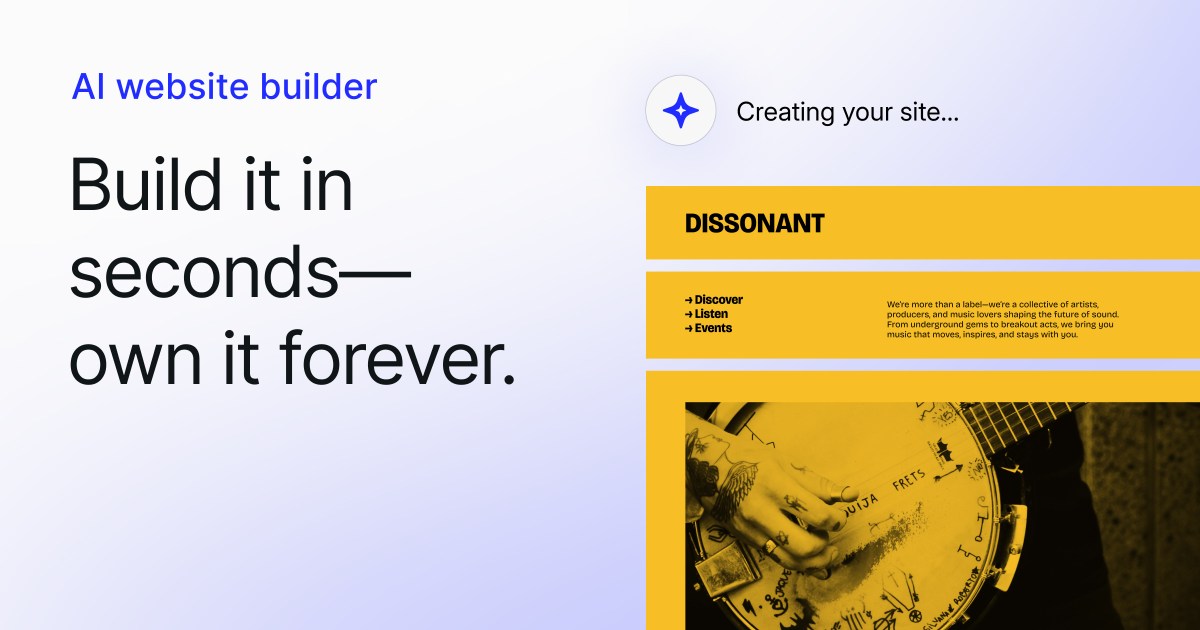
Website publishing platform with an AI agent that can build and help manage WordPress.com sites.
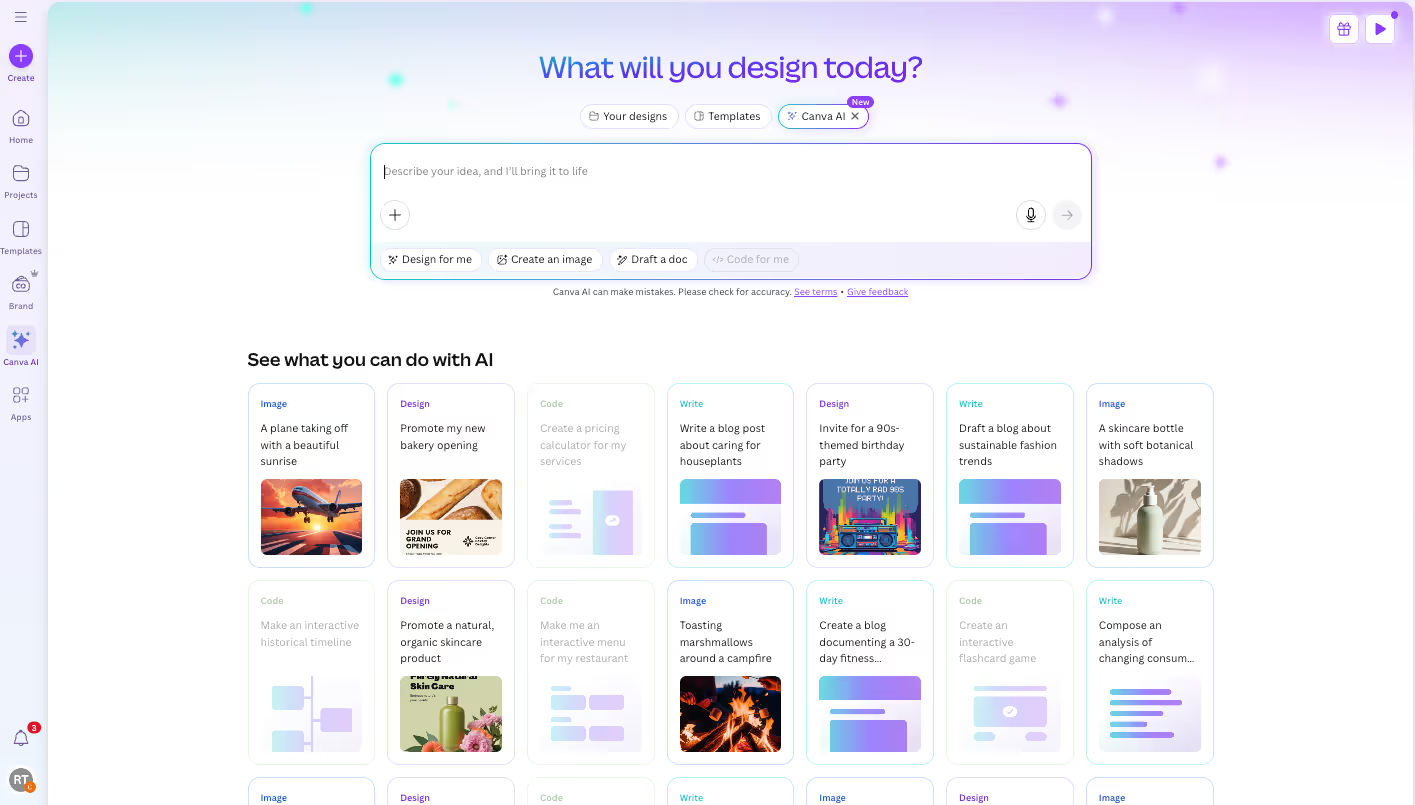
Turn flat images into editable Canva designs with separate text, object, and background layers.

Get access to all our AI courses, hundreds of real-world AI use cases, live expert-led workshops, an exclusive network of AI early adopters, and more.
Get unlimited access to all of our current & upcoming industry-specific AI courses for the duration of your subscription.
To keep up with the rapid pace of AI, our team publishes AI implementation guides daily. Our library contains 300+ practical use cases to automate real-world work.
Join weekly, live, interactive sessions with industry leaders who are at the forefront of AI for hands-on implementation guidance and exclusive insights.
Network with an exclusive community of AI-first professionals who are working smarter with AI. Learn how early adopters are using AI in their work and businesses.