Weeknight meal inspiration
Generating several dinner ideas from a preferred protein, broad eating style and cuisine.
Independent tool overview
MealPractice is an active AI recipe generator and weekly meal-planning service. Users choose a protein, nutritional style and cuisine, then can save recipes, arrange them into a plan and turn the plan into a shopping list. The free account includes one planning week and four saved AI recipes; paid credit packs cost $8 or $25 once, with no subscription and no expiration. It is useful for meal inspiration, but generated recipes have not been individually validated for food safety, allergens or medical nutrition. Inspect every ingredient and step, verify package labels and substitutions, prevent cross-contact and use an official temperature chart plus a food thermometer.
Visit the official MealPractice site ↗
Overview
MealPractice combines an AI recipe generator with recipe saving, weekly meal planning and consolidated shopping lists. Its current site is active and identifies Jelled Media, LLC as the operator.
The generator asks users to select a protein, nutritional style and cuisine. Current protein choices include beef, chicken, fish, pork, turkey and vegetarian; nutrition labels include healthy, hearty, low carb and whole foods.
Users can regenerate ideas without consuming credits. A recipe credit is used only when a generated recipe is saved, while a weekly planning credit activates one week of planning and shopping-list tools.
Meal plans can mix AI-generated and creator recipes, then produce an organized ingredient list. The site can send that list to Amazon Fresh, Whole Foods or Instacart, but users must verify the exact product, quantity, price, availability and retailer substitutions before checkout.
The founder reports cooking dozens of generated recipes and says the results were generally positive, while also preferring recipes validated by other users. That is useful first-party experience, not independent testing or a safety guarantee for every generated output.
AI can omit ingredients, produce inconsistent quantities, suggest unsafe handling or invent inadequate cooking times. Review and revise the complete recipe before shopping or cooking; never use visual appearance or an AI-stated time as proof that food is safe.
Use a calibrated food thermometer and the current FoodSafety.gov minimum-temperature chart. Keep raw meat, poultry, seafood and eggs separate from ready-to-eat food, chill perishables promptly and reheat leftovers to the official safe temperature.
A label such as healthy or low carb is a broad prompt preference, not a dietitian-reviewed nutrition plan. People managing allergies, celiac disease, pregnancy, immunocompromise, kidney or heart disease, diabetes, eating disorders or another medical condition should use qualified clinical advice.
For food allergies, inspect the entire packaged-food ingredient list every time, including after a brand or recipe substitution, and prevent cross-contact. A generated recipe cannot establish that a meal is allergen-free.
The terms restrict the service to people age 18 or older and say it is not tailored for HIPAA or similar regulated use. Public recipes and menus may reveal dietary preferences or health-related information, and public contributions receive a broad license, so share only material intended to be public.
Official pricing checked August 31, 2026 is $0 for the introductory account, $8 once for 5 planning weeks and 20 saved recipes, or $25 once for 25 planning weeks and 100 saved recipes. Credits do not expire, and the site advertises a 30-day full-refund policy.
Use cases
The strongest fit depends on the job you need the product to complete, not the size of its feature list.
Generating several dinner ideas from a preferred protein, broad eating style and cuisine.
Arranging selected recipes into one week and producing a consolidated shopping list.
Buying non-expiring planning and recipe-save credits without a recurring subscription.
Saving favorites and combining AI-generated and creator recipes in one planning workflow.
Sharing a reviewed recipe or weekly menu with family after removing private health details.
Capabilities
Creates a recipe from a selected protein, nutritional style and cuisine.
Lets users request new versions without spending an additional credit until they save one.
Stores selected AI and community recipes in an account for later planning.
Places recipes into a weekly schedule using one planning credit for the active week.
Combines planned recipe ingredients into a grocery list that still requires manual quantity and duplicate checks.
Provides links for sending a list toward Amazon Fresh, Whole Foods or Instacart ordering.
Creates links for sending reviewed recipes or a weekly menu to other people.
Lets users browse recipes and follow people with similar tastes or nutritional goals.
Official pricing says purchased recipe-save and weekly-planning credits remain available until used.
Process
Step 1
Use the tool for inspiration and organization, not as a diagnosis, prescribed diet or guarantee of nutritional adequacy.
Step 2
Select a protein, cuisine and style, remembering that healthy and low carb have no individualized clinical meaning.
Step 3
Regenerate until the basic idea fits; the official policy says a recipe credit is consumed only when the result is saved.
Step 4
Match every ingredient to a step, correct units and serving size, remove unsafe instructions and check whether timing is realistic.
Step 5
Read the full label for every packaged item and each substitute, confirm restaurant or bulk ingredients separately and plan controls against cross-contact.
Step 6
Separate raw and ready-to-eat food, wash hands and surfaces, chill promptly and use a thermometer plus FoodSafety.gov's current minimum temperatures.
Step 7
Have a qualified clinician or registered dietitian review plans for a medical condition, pregnancy, severe allergy, celiac disease or other high-risk need.
Step 8
Add only reviewed recipes, then check variety, portions, perishability, preparation time and leftovers across the week.
Step 9
Remove duplicates, correct quantities and verify exact brand, package size, price and substitution settings before purchasing through any retailer.
Step 10
Use a calibrated thermometer at the thickest point and follow official minimum internal temperatures and rest times rather than relying on color or the generated timer.
Step 11
Remove medical details and other private information from public recipes or menus, and share only content you have the rights and consent to publish.
Cost
MealPractice uses one-time, non-expiring credits rather than a subscription. Pricing checked August 31, 2026 lists a free account with one planning week and four saved AI recipes, a $8 Starter Pack and a $25 Best Value pack. Generating or regenerating is free; the recipe credit is consumed when a result is saved. The official page advertises a full refund when support is contacted within 30 days.
$0
Introductory access with no credit card required.
$8 one time
Small pay-as-you-go bundle that works with the free-account features.
$25 one time
Larger credit bundle for more frequent meal planning.
Pricing checked . Check current pricing at the source ↗
Assessment
Compare
The right alternative depends on the specific output, workflow, controls and budget your project requires.
Students
A dedicated AI cooking alternative for pantry-based recipes and generated meal-planning workflows.
Explore ChefGPT →Educators
A conversational recipe assistant inside ChatGPT when a separate planning and credit system is unnecessary.
Explore Sous Chef →Healthcare
A ChatGPT-based cooking assistant for general healthy-recipe ideas, still requiring the same medical and food-safety review.
Explore Healthy Chef →Healthcare
A focused meal-planning GPT for users who prefer a conversational plan, with professional review for weight-loss or medical goals.
Explore Meal Planner GPT →Business Operations
A broader assistant that can adapt recipes and shopping lists without MealPractice's integrated weekly planner.
Explore ChatGPT →Questions
It is an AI recipe generator, recipe library, weekly meal planner and shopping-list service operated by Jelled Media, LLC.
A free account includes one week of meal planning and four saved AI-generated recipes with no credit card required. Generating and regenerating ideas is free; saving consumes a recipe credit.
Current official pricing is $8 once for 5 planning weeks and 20 saved recipes, or $25 once for 25 planning weeks and 100 saved recipes. No subscription is advertised.
The current pricing FAQ says purchased credits never expire.
No. The site says users can regenerate as often as they want and a recipe-generation credit is used only when saving a result.
Do not assume every generated recipe is safe. Review the ingredients and steps, prevent contamination, use a food thermometer and follow the current official minimum temperatures and storage guidance.
It can inspire substitutions, but it cannot certify a meal as allergen-free. Read every packaged-food label each time, verify substitutes and prevent cross-contact; obtain professional guidance for severe allergies.
No. Those are broad generation preferences, not an individualized nutrition assessment or prescribed diet.
Use it only for ideas after a qualified clinician or registered dietitian defines the requirements. Generated plans may miss nutrients, restrictions and food-safety precautions.
It can send a shopping list toward Amazon Fresh, Whole Foods or Instacart. The purchase occurs with the third party, and users should verify products, quantities, prices and substitutions before paying.
The current terms say the service is intended for users at least 18 years old and people under 18 may not register or use it.
Not necessarily. The service has public sharing and community features, and the privacy notice says public content may be visible beyond the service. Remove health and personal details before sharing.
The official pricing page says users who are not satisfied can contact support within 30 days for a full refund; confirm eligibility and timing before purchase.
Bottom line
MealPractice is a practical, low-commitment way to turn AI recipe ideas into a weekly plan and shopping list. Its free allocation and $8 or $25 non-expiring credit packs are unusually straightforward. The essential safeguard is human review: treat every recipe as a draft, audit allergens and quantities, use official food-handling and temperature rules and obtain professional guidance for medical nutrition. With those boundaries, it is useful for inspiration and organization; without them, polished instructions can create real food-safety or health risk.
Visit MealPractice website ↗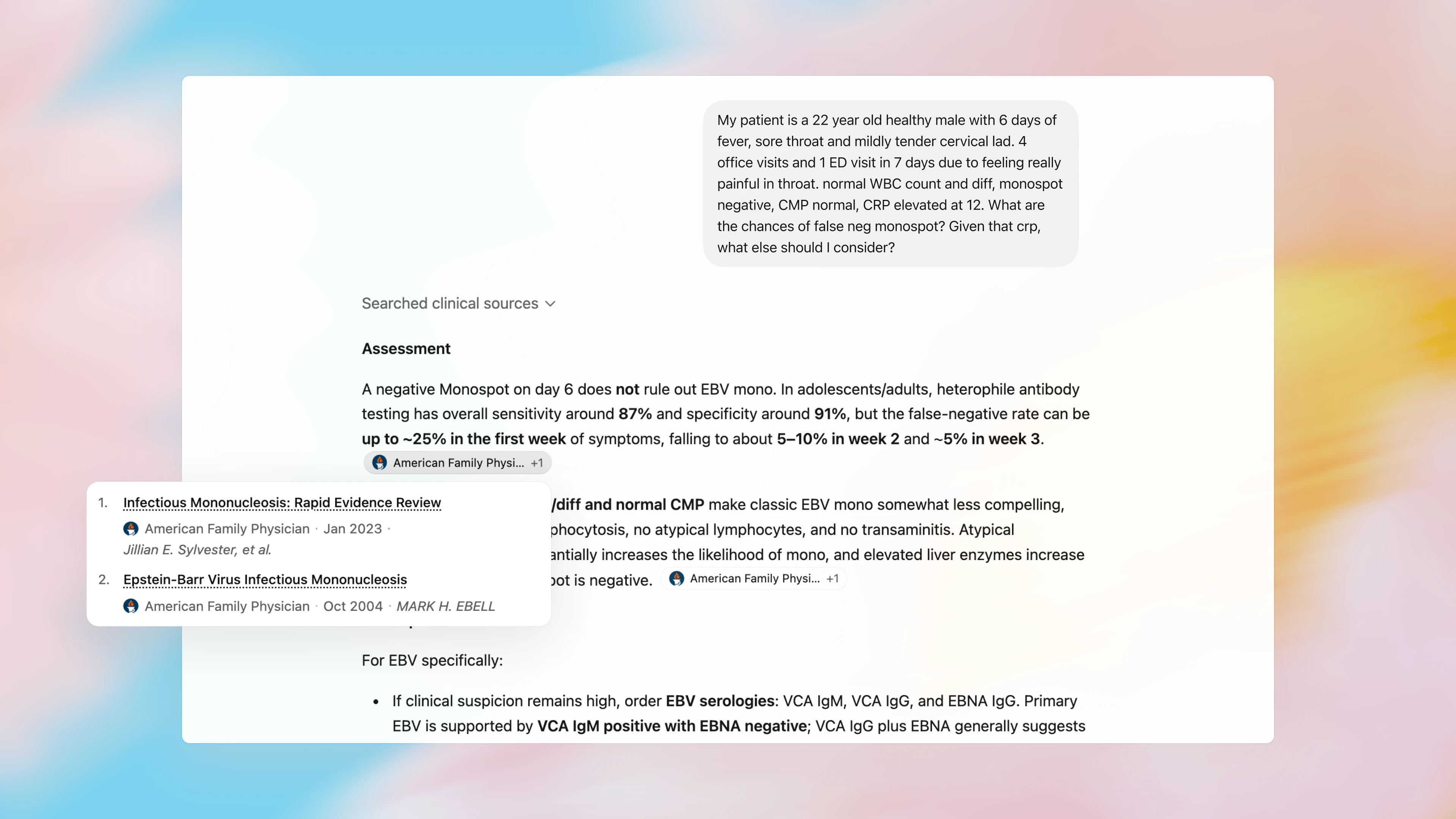
ChatGPT for Clinicians - OpenAI's free clinical version for verified U.S. doctors with HIPAA support

Upload plant photo for diagnosis and tips.
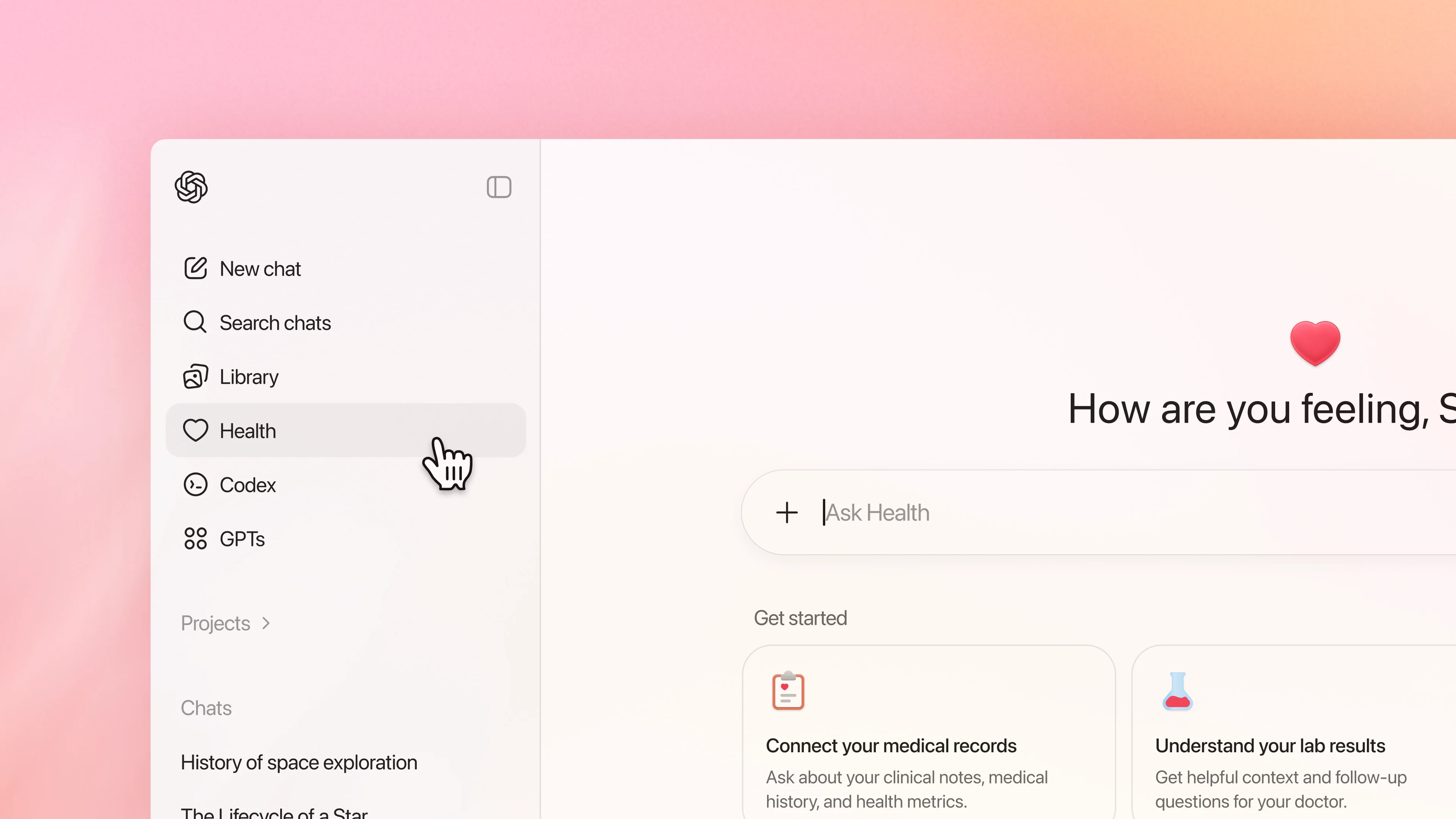
ChatGPT Health - Dedicated, private experience for health conversations within ChatGPT, enabling connecting medical data and wellness apps

Your personal running coach for marathon training.

Get access to all our AI courses, hundreds of real-world AI use cases, live expert-led workshops, an exclusive network of AI early adopters, and more.
Get unlimited access to all of our current & upcoming industry-specific AI courses for the duration of your subscription.
To keep up with the rapid pace of AI, our team publishes AI implementation guides daily. Our library contains 300+ practical use cases to automate real-world work.
Join weekly, live, interactive sessions with industry leaders who are at the forefront of AI for hands-on implementation guidance and exclusive insights.
Network with an exclusive community of AI-first professionals who are working smarter with AI. Learn how early adopters are using AI in their work and businesses.