Live caption builders
Transcribe speech as it arrives for meetings, broadcasts, or accessibility tools.
Independent tool overview
Microsoft low-latency multilingual speech-to-text model for live audio.
Visit the official MAI-Transcribe-2-Streaming site ↗
Overview
MAI-Transcribe-2-Streaming is Microsoft's real-time speech recognition variant in the Transcribe 2 family. Microsoft describes about 120 milliseconds to the first partial result, roughly 128 milliseconds end-to-end latency, and coverage of 60 languages. Its intended jobs include live captions, voice interfaces, and call analysis where waiting for a completed recording is unacceptable.
The version distinction matters. Microsoft's own comparison says the streaming variant does not include word-level timestamps, contextual keyword biasing, diarization, or clean-versus-verbatim style selection, while the non-streaming MAI-Transcribe-2 does. A team that needs speaker labels or specialized vocabulary may choose batch Transcribe 2 despite the delay, or add other pipeline stages. The published accuracy ranking is a vendor-cited leaderboard result; test representative noisy calls and accents before making service promises.
Use cases
The strongest fit depends on the job you need the product to complete, not the size of its feature list.
Transcribe speech as it arrives for meetings, broadcasts, or accessibility tools.
Keep speech-to-text delay low in a larger conversational system.
Prototype live call monitoring and routing with attention to privacy, consent, and transcription accuracy.
Capabilities
Microsoft reports first partial text at about 120 milliseconds.
The model page lists 60 languages and automatic language recognition within the family.
Streaming input avoids waiting to process a completed audio file.
Microsoft points builders to the MAI Playground and Microsoft Foundry/Azure Speech.
Streaming does not include word timestamps, diarization, or keyword biasing in Microsoft’s comparison.
Process
Step 1
Confirm the model is available to the Azure/Foundry account and in the required geography.
Step 2
Use real accents, background noise, short utterances, and interruptions.
Step 3
Decide whether live partials suffice or whether speaker labels and word timing require another model or processing stage.
Step 4
Track latency, word error, cost per audio hour, consent, and transcript retention.
Cost
Microsoft lists introductory MAI-Transcribe-2-Streaming pricing at $0.54 per hour of audio on the model comparison page. This is usage-based model pricing; Azure/Foundry account terms and any downstream processing should be checked separately.
$0.54 per audio hour introductory
Published model rate for the streaming variant.
$0.10 per audio hour introductory
Alternative within the family when batch features matter.
Pricing checked . Check current pricing at the source ↗
Assessment
Compare
The right alternative depends on the specific output, workflow, controls and budget your project requires.
Coding
Consider another developer speech-to-text service for realtime pipelines.
Explore Deepgram →Project Management
Consider a finished meeting-transcription application rather than an API model.
Explore Otter.ai →Miscellaneous
Consider a full-duplex conversational voice model when speech recognition alone is insufficient.
Explore GPT-Live-1 →Questions
No. Microsoft lists the Streaming and non-streaming variants separately with different latency, features, and price.
Microsoft’s model comparison says no; the batch Transcribe 2 variant includes it.
Microsoft lists 60 languages for MAI-Transcribe-2-Streaming.
The official model page lists an introductory $0.54 per audio hour for Streaming; verify current Foundry billing before deployment.
Bottom line
MAI-Transcribe-2-Streaming is best when immediate text matters more than rich post-processing. It offers an appealing published latency profile, but choosing it requires an explicit decision about missing timestamps, speaker labels, vocabulary control, and the accuracy of your own audio.
Visit MAI-Transcribe-2-Streaming website ↗
Inception's cheap, speedy reasoning model for AI voice agents
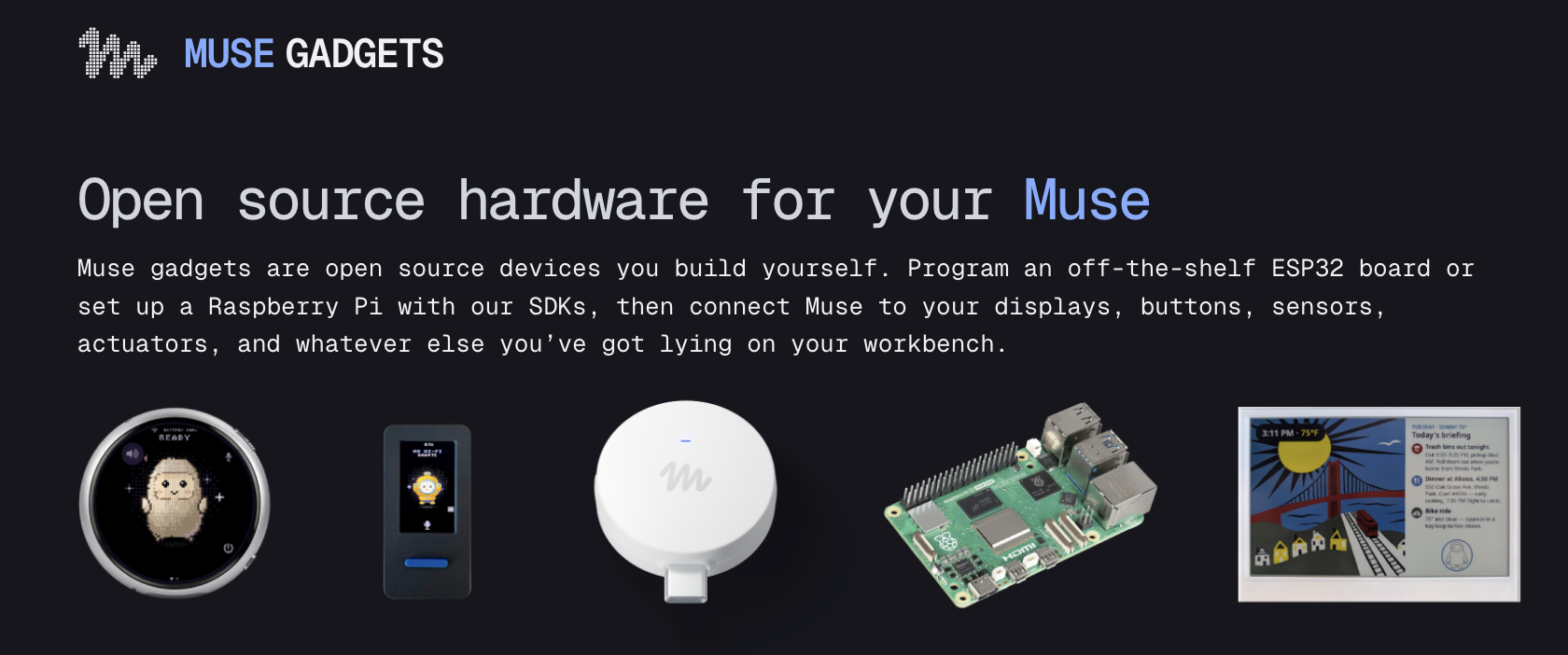
Open-source code to build devices that plug into Meta's Muse agent
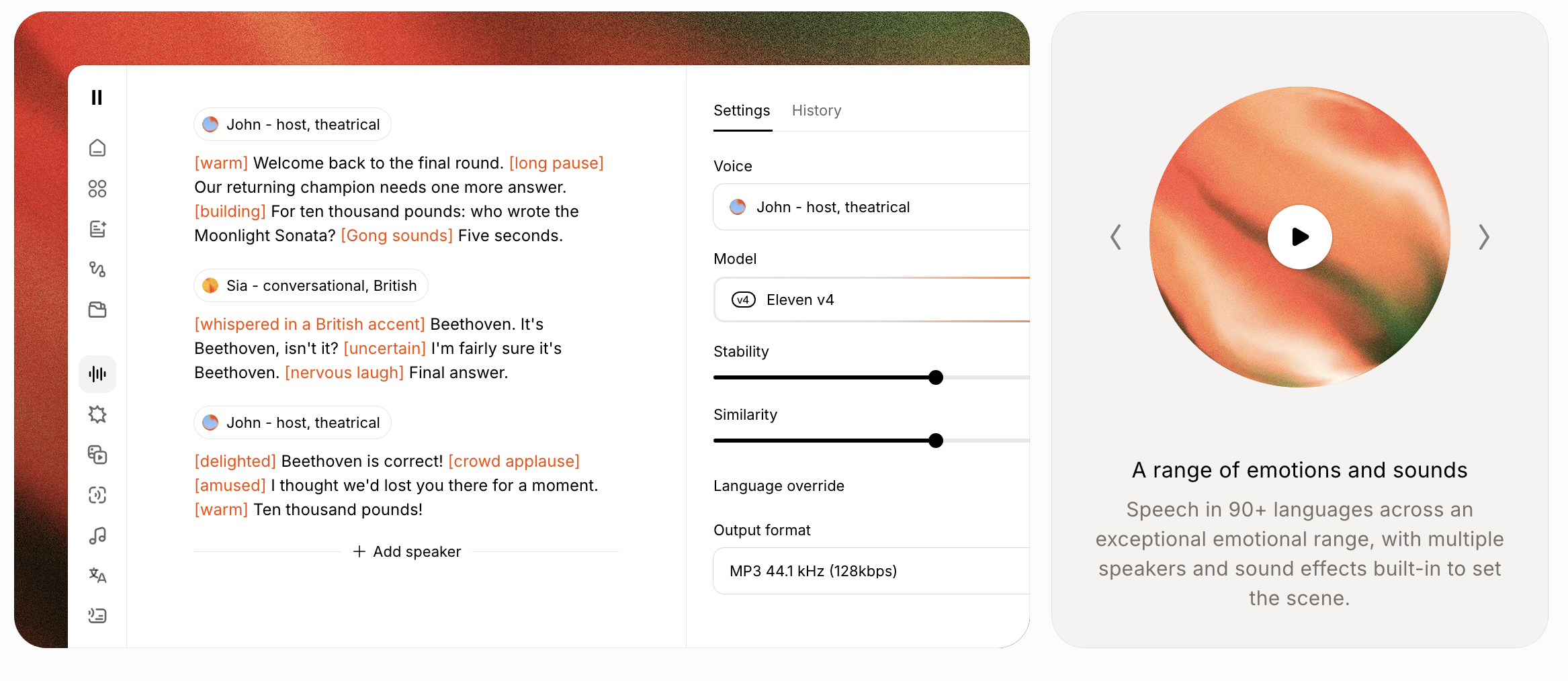
ElevenLabs' new top-ranked voice model, with a faster Turbo version
Cohere's workplace agent platform, now with memory and spending caps

Get access to all our AI courses, hundreds of real-world AI use cases, live expert-led workshops, an exclusive network of AI early adopters, and more.
Get unlimited access to all of our current & upcoming industry-specific AI courses for the duration of your subscription.
To keep up with the rapid pace of AI, our team publishes AI implementation guides daily. Our library contains 300+ practical use cases to automate real-world work.
Join weekly, live, interactive sessions with industry leaders who are at the forefront of AI for hands-on implementation guidance and exclusive insights.
Network with an exclusive community of AI-first professionals who are working smarter with AI. Learn how early adopters are using AI in their work and businesses.