Early landscape brainstorming
Home gardeners exploring styles, zones, seating, paths, privacy, color, seasonal interest, maintenance levels, and questions to bring to a local professional.
Independent tool overview
Garden Guru is a community-built custom GPT described as an expert gardener for tailored, visual landscaping advice. It remains available through ChatGPT and can help brainstorm layouts, planting themes, maintenance questions, and image-based concepts. It is not a separate gardening service, plant-identification authority, licensed landscape professional, or substitute for local soil, climate, safety, and regulatory expertise.
Visit the official Garden Guru site ↗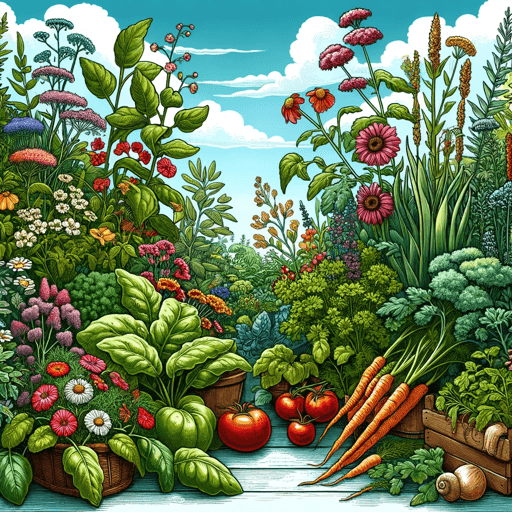
Overview
Garden Guru was published during the first wave of public custom GPTs in November 2023. Its original ChatGPT page is still reachable and continues to identify the tool as a gardening and visual landscaping assistant, although little public information is provided about its builder, knowledge sources, update process, or independent horticultural review.
The GPT can be useful as a conversational planning aid: describe a site, climate, light, style, budget, maintenance tolerance, pets, and intended use; upload images when the available ChatGPT plan permits; and ask for plant palettes, layout options, questions for a contractor, or a staged project checklist.
Garden Guru inherits ChatGPT's current models, capabilities, limits, and privacy controls rather than operating its own pricing or account system. GPTs are available to signed-in Free and paid users, and the original page can be changed or removed by its creator or OpenAI without notice.
Use cases
The strongest fit depends on the job you need the product to complete, not the size of its feature list.
Home gardeners exploring styles, zones, seating, paths, privacy, color, seasonal interest, maintenance levels, and questions to bring to a local professional.
People using site photos and rough requirements to compare conceptual garden directions before measuring, selecting exact plants, or purchasing materials.
Capabilities
Turns written constraints and preferences into planting, layout, maintenance, and phasing suggestions through a back-and-forth ChatGPT conversation.
Can work with uploaded site or plant photos when the user's ChatGPT plan and current limits allow image uploads and vision.
Can describe or generate conceptual garden imagery when the underlying ChatGPT session has image-generation access, subject to separate tool limits.
Can produce option comparisons, shopping questions, seasonal checklists, maintenance schedules, and structured briefs for a nursery, contractor, extension office, or landscape professional.
Process
Step 1
Provide location or climate zone, sun by season, drainage, soil test results, dimensions, slope, utilities, existing plants, irrigation, foot traffic, pets, children, and accessibility needs.
Step 2
Request two or three concepts with assumptions, tradeoffs, bloom seasons, mature sizes, water needs, and maintenance rather than accepting one confident answer.
Step 3
Check every plant and treatment with a current regional extension service, nursery, invasive-species list, utility locator, product label, and qualified professional where required.
Step 4
Mark beds and paths on site, confirm clearances and mature spacing, test irrigation and drainage, price materials, and phase the work before digging or purchasing in volume.
Cost
Garden Guru does not charge separately. It runs inside ChatGPT, and the user's ChatGPT plan determines message, image, upload, memory, and other tool limits. Public GPTs can be used by signed-in Free users; paid plans mainly provide higher or additional capacity.
No separate charge
The GPT itself has no published add-on subscription or credit package.
Free
Can discover and use existing public GPTs subject to current model and tool limits.
Varies by plan and region
Higher limits and additional models or capabilities can make image-heavy garden planning more convenient.
Pricing checked . Check current pricing at the source ↗
Assessment
Compare
The right alternative depends on the specific output, workflow, controls and budget your project requires.
Healthcare
Choose Plant Doctor for a narrower photo-based discussion of plant symptoms and care, while still verifying identification and treatment locally.
Explore Plant Doctor →Business Operations
Choose general ChatGPT when you want the same planning approach with explicit web research, source comparison, files, images, and broader home-project context.
Explore ChatGPT →Content Creator
Choose ChatGPT Images when the primary goal is creating or editing visual garden concepts rather than receiving a gardening-focused conversational persona.
Explore ChatGPT Images →Questions
Yes. The original public ChatGPT page is still reachable and retains the Garden Guru title and description. Users must sign in to ChatGPT to start a conversation, and the creator or OpenAI can change or remove the GPT at any time.
No. It is a community custom GPT that runs inside ChatGPT. It inherits ChatGPT's models, interface, privacy settings, and usage limits rather than maintaining a separate account or subscription.
There is no separate Garden Guru fee. Signed-in ChatGPT Free users can use public GPTs subject to current model, message, upload, vision, and image-generation limits. Paid ChatGPT plans provide different or higher limits.
It can discuss a photo and suggest possibilities, but image identification and diagnosis can be wrong. Confirm with multiple clear images, local growing conditions, a regional extension office, or a qualified horticulturist before treating or removing a plant.
It can draft concepts, palettes, zones, checklists, and questions, but it cannot survey the property or verify drainage, utilities, grading, structures, accessibility, codes, contracts, or construction details. Use a licensed landscape architect or qualified local professional when the scope requires one.
Not without independent verification. Use only products registered for the exact plant, pest, site, and jurisdiction; read and follow the current label; protect people, pets, pollinators, water, and neighboring property; and consult a local extension or licensed applicator.
They use ChatGPT's privacy controls. On personal plans, new chats may be used for model improvement unless the user turns off Improve the model for everyone. Community GPTs can also include third-party actions, so review any connection prompt before sending data.
Bottom line
Garden Guru remains a useful, free-to-try brainstorming layer for early garden and landscape ideas, especially when a user supplies real site constraints and treats the output as questions and options. Its public provenance is too thin for authoritative horticultural or construction decisions. Verify exact plants, treatments, invasiveness, safety, utilities, and build details locally before spending money or altering the site.
Visit Garden Guru website ↗
Get access to all our AI courses, hundreds of real-world AI use cases, live expert-led workshops, an exclusive network of AI early adopters, and more.
Get unlimited access to all of our current & upcoming industry-specific AI courses for the duration of your subscription.
To keep up with the rapid pace of AI, our team publishes AI implementation guides daily. Our library contains 300+ practical use cases to automate real-world work.
Join weekly, live, interactive sessions with industry leaders who are at the forefront of AI for hands-on implementation guidance and exclusive insights.
Network with an exclusive community of AI-first professionals who are working smarter with AI. Learn how early adopters are using AI in their work and businesses.


