AI’s biggest CEO may be on his way out
PLUS: How to claim and set up your business on ChatGPT

Good morning, AI enthusiasts, and welcome to our 5,952 new readers. Jensen Huang has been Nvidia’s center of gravity since 1993, long enough to turn it into the engine of the entire AI boom. That run may suddenly be down to its final days.
A new report says directors are preparing to push the co-founder out as CEO, hours after a second affair surfaced, this one with an executive who reports to him. As crazy as it would’ve sounded a few weeks ago, Nvidia without Jensen is no longer unthinkable.
Reminder: Our next live workshop is today at 2 PM EST — join Nate Grahek for a free tour of the new all-in-one Claude and the underrated features most users are still missing. RSVP here.
In today’s AI rundown:
Jensen Huang’s job in doubt after second affair report
Nate’s Notebook: Claude Projects now take their own notes
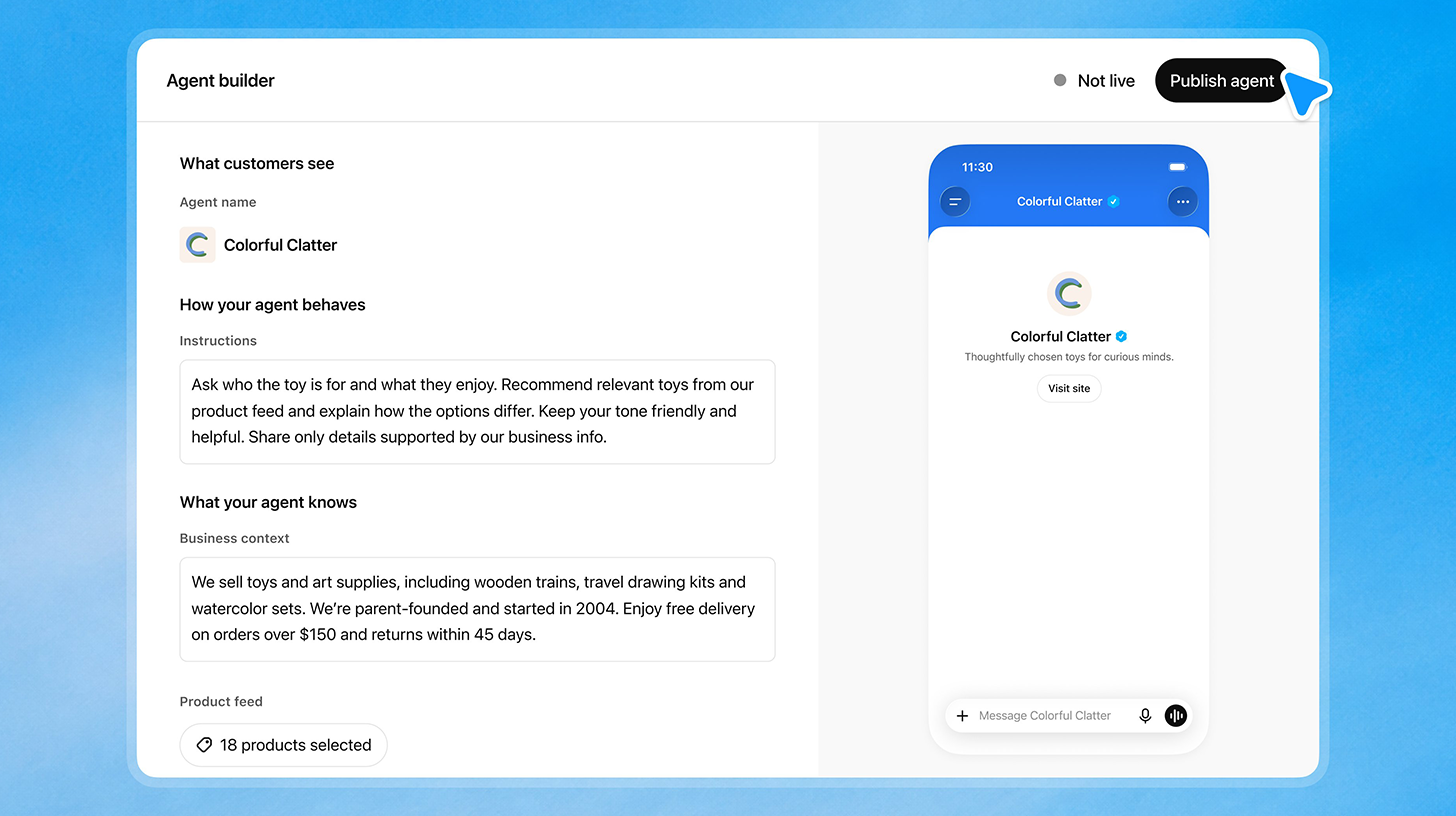
Claim and set up your business on ChatGPT
Google’s new AlphaGenome traces disease to cells
LATEST DEVELOPMENTS
NVIDIA

Image source: Creative Commons / The Rundown
The Rundown: Nvidia’s directors are preparing to remove Jensen Huang as CEO, according to The Wall Street Journal, just hours after The New York Times reported a second affair for the co-founder — this time with a vice president who answers to him.
The details:
Five people who’ve worked at Nvidia told the NYT that Jensen and Kimberly Powell, its health care VP, had an affair that’s been discussed internally.
Jensen’s security reportedly offered an NDA after someone filmed the two being ‘affectionate’ during a March conference, though the NYT hasn’t seen the video.
The Economist called for Jensen to resign for his involvement with alleged Chinese spy Alice Huang, with members of Congress also pushing for his exit.
Nvidia lost over $427B in market value in two sessions after the affair came out, rose Wednesday, then fell about 8% after hours as the two reports landed.
Why it matters: Nvidia ranks among the world’s biggest companies; its chips train nearly every major AI, and almost all of that runs through Jensen. With roughly 60 direct reports and a rockstar persona that customers treat as the company’s face, there’s no playbook for replacing him — and a major shock to the system may be incoming.
TOGETHER WITH PLAID

The Rundown: Plaid’s secure, permissioned data access gives ChatGPT the financial context it needs to give people personalized answers to their money questions. Hear from Ethan Bloch, OpenAI’s Product Lead, Personal Finance, on why secure connectivity and financial context are foundational to the experience.
When users connect their financial accounts using Plaid, they can ask:
“Which subscriptions should I cancel?”
“What would a big trip do to my savings?”
“Am I being double-charged?”
NATE’S NOTEBOOK

The Rundown: Each week, Rundown AI educator Nate Grahek breaks down what he’s seeing while teaching real teams to use AI.
Nate: Claude Projects on the web can now save their own knowledge files. It went seemingly unnoticed, and I think it matters more than any demo you saw this week.
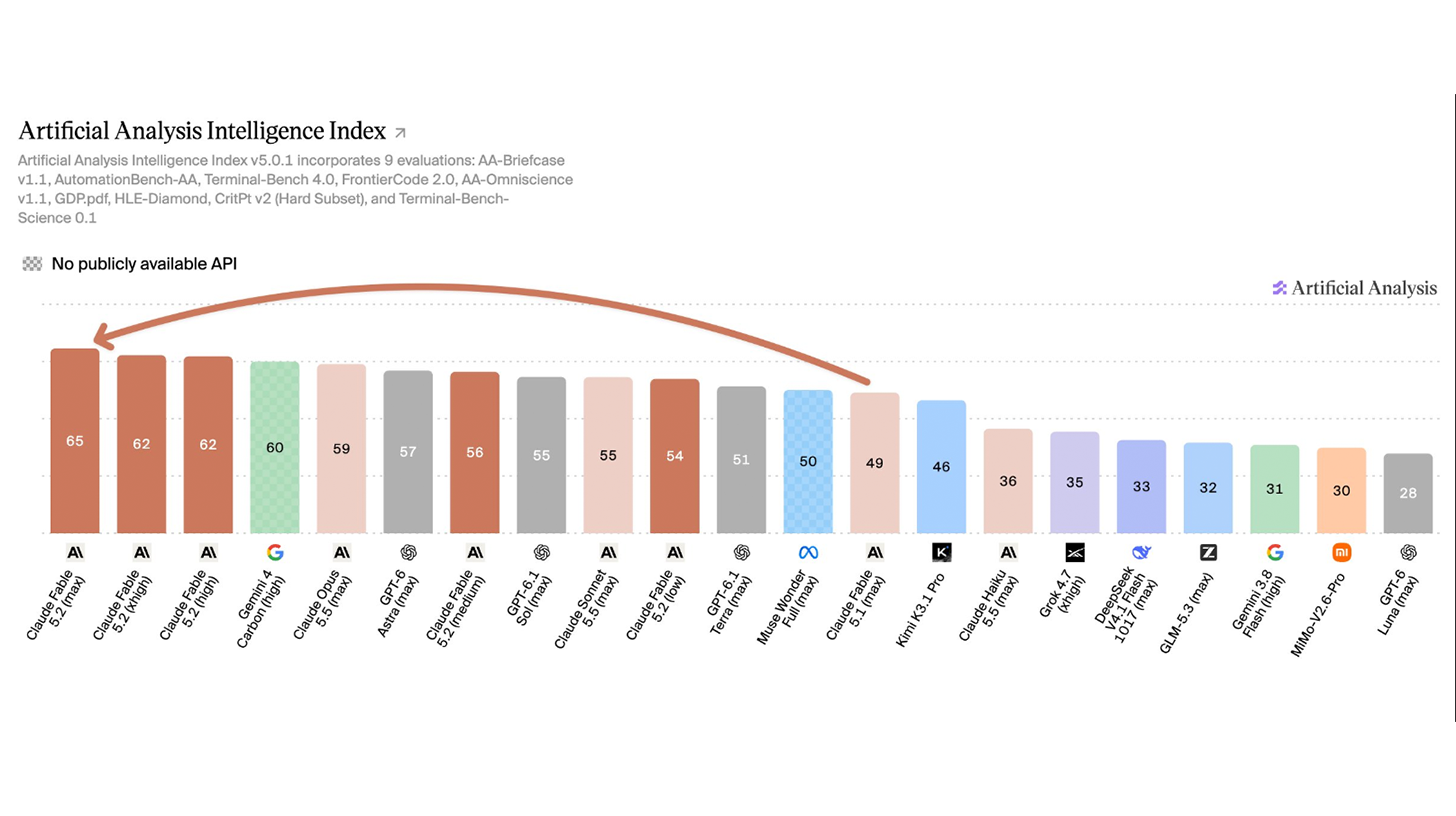
You know the demos: Fable 5.2 had 1,000 agents build an entire operating system in eight days. That’s good for clicks, but it doesn’t apply to getting real work done.
What gets real work done is context. For three years, I’ve taught that Claude needs to know the way you do the work, in your role, at your organization. Set up a Project once with the documents that show how you do a proposal the right way, and it reuses them over and over. On the web, that Project works on any of your devices, and you can share it with your team.
The catch was that Claude couldn’t add to it. If you wanted Claude to save its research and compare it against next week’s, you had to work locally, and that closed the door on your phone and easy sharing.
Now, Claude can do the research, synthesize the main ideas, and save them as new knowledge files in the Project. Put it on a schedule, and it’s gathering and curating its own knowledge, both inside and outside your organization.
Projects have long been Claude’s killer feature, and one tiny detail just made them even better.
P.S. — If you’re interested in learning about how to utilize Claude to its full potential, join me at today’s free workshop.
AI TRAINING

The Rundown: When someone asks ChatGPT about a business like yours, the answer can now draw on details you control. In this guide, you’ll claim your business in ChatGPT Business Hub, verify it, fix what ChatGPT shows, and see how people find you.
Step-by-step:
Open Business Hub from the ChatGPT sidebar and search for your business. For now, local stores and restaurants can only claim an existing US listing
Prove it’s yours with a code sent to the business phone or email, a DNS record on your domain, or your Shopify store. Use whichever option you’re shown
Complete Persona’s ID check with your government ID and registration details. Edits, insights, and the blue check all wait on Persona’s approval
Update your description, contact, and policies. OpenAI reviews each change before it appears, and ChatGPT may also use your website, so keep it current
Open Insights to see mentions, views, and clicks. Eligible US online businesses can also build a business agent; test it in the preview before publishing
Pro tip: Persona checks your details against official records. Copy your legal name, address, and registration number into a note and paste from there. Typing from memory is how an old address slips in.
PRESENTED BY ARCHERA

The Rundown: Unpredictable AI workloads make long-term cloud commitments feel like a gamble. Archera lets you commit with a one-time 30-day minimum, then keep or remove the commitment anytime after. If usage drops, an Insurance Backed Guarantee pays you cash back.
With Archera, you get:
Commitment discounts and in-demand capacity across AWS, Azure, and GCP
Cash back on unused commitments through an Insurance Backed Guarantee
A free FinOps agent and commitment automation
GOOGLE DEEPMIND

Image source: Google DeepMind
The Rundown: DeepMind released AlphaGenome 2, an AI that predicts how small DNA differences between people play out inside specific cell types — a more detailed view than the original that could help trace diseases back to the cell types involved.
The details:
DeepMind’s Adam Gayoso called it “tying human genetics to cell biology,” as the original version averaged whole tissues while version 2 studies each cell type.
The original caught just 16% of the DNA changes behind gene shifts in a test on 28 immune cell types, with AlphaGenome 2 nearly doubling it to 30%.
Labs can also hand it gene activity from just a few dozen cells, like immune cells fired up by a vaccine, and get predictions without having to retrain the model.
Tested on inflammatory bowel disease, the model matched a recent study by picking out a DNA change that overworks one gene in the gut’s immune cells.
Why it matters: Scientists have found plenty of DNA quirks tied to diseases like type 2 diabetes, but they often can’t tell which cells they actually impact — the part drug makers need. AlphaGenome 2 helps answer that question and identify the experiments worth running first, which could mean better-aimed treatments for common illnesses.
QUICK HITS
COMMUNITY AI WORKFLOW OF THE DAY
▸ Arun built an AI badminton coach that narrates match reviews
Today’s workflow comes from reader Arun Sriraman:
“I use this workflow to turn a recording of a badminton match into a coaching session for individual players. It's for coaches and players who want written and spoken feedback on a specific player’s performance without writing the analysis from scratch.
Share the analysis output with an LLM such as Gemini or Claude and ask it to turn the output into a human-sounding coaching narrative. Convert the narrative to speech with TTS, then video encode the coaching session.
The end result is a narrated coaching session video for the player under review, ready to share with them.”
How do you use AI? Tell us for a chance to be featured in the newsletter.
🧑💻 Tines 3B - Empower teams to build with AI while giving IT and security complete visibility, control, and governance*
💬 Scribe V3 - ElevenLabs’ new transcription AI, covering 102 languages
✅ Gemini Decisions API - Google’s dev tool for fast yes/no AI answers
🤝 Grok Bot 1.0 - SpaceXSI’s AI agent that whole teams can now share
*Sponsored Listing
Fiddler’s Enterprise Playbook for Governing Coding Agents shows how to give Claude Code and Codex autonomy without giving up control of your code, credentials, and infrastructure.*
Anthropic’s upcoming IPO has reportedly received orders for several times the shares it’s selling, which would top SpaceX as the largest stock debut ever.
SpaceXSI launched Grok Bot 1.0, moving its AI agent out of beta with bots that join video meetings, Slack, and Microsoft Teams and flag unfinished work on their own.
OpenAI reportedly posted its first $10B quarter in Q3, with revenue close to triple what it made a year ago.
United Airlines is blocking unauthorized agents from its platforms and outside booking sites, blaming accidental purchases and federal rules that need a human sign-off.
Google researcher Pietro Miotti used 48 AI agents to scan public NASA laser maps of Mexico’s jungle, flagging a possible Maya site that the archaeology register doesn’t list.
*Sponsored Listing
Read our last AI newsletter: OpenAI invites brands to set up shop in ChatGPT
Read our last Tech newsletter: Jensen Huang’s bad week just got a lot worse
Read our last Robotics newsletter: Amazon builds its home robot team
Today’s AI tool guide: Claim and set up your business on ChatGPT
RSVP to today’s workshop @ 2 PM EST w/ Nate: Use Claude to its full potential
That's it for today!Before you go we’d love to know what you thought of today's newsletter to help us improve The Rundown experience for you. |
|
See you soon,
Rowan, Zach, Shubham, Jennifer, and Nate — the humans behind The Rundown