Anti-AI anger hits Sam Altman's front door
PLUS: Generate editable infographics in 15 minutes with AI

Good morning, AI enthusiasts. Last week, OpenAI published a 13-page policy doc warning that AI could reshape society faster than anyone has prepared for. Days later, someone tried to set Sam Altman's house on fire.
The 20-year-old suspect reportedly believed AI would lead to human extinction — and while the attack was criminal, the anxiety behind it isn’t fringe. With societal changes just beginning, anger like this also isn’t going away soon.
In today’s AI rundown:
Anti-AI suspect targets Altman's home, arrested
The Rundown Roundtable: Our AI use cases
Generate editable infographics in 15 minutes
AI finds GLP-1 side effects trials missed
4 new AI tools, community workflows, and more
LATEST DEVELOPMENTS
OPENAI

Image source: Sam Altman (@sama on X)
The Rundown: A 20-year-old was arrested after throwing a Molotov cocktail at Sam Altman's home and threatening to burn down OpenAI's HQ, with Altman publishing a personal essay reflecting on AI's stakes, his own mistakes, and calling for de-escalation.
The details:
The device hit a gate at Altman's home around 3:45 am, with no injuries occurring, and SFPD arrested Daniel Moreno-Gama an hour later at OpenAI HQ.
Moreno-Gama published essays warning that AI would end humanity, and used the organization PauseAI's Discord under the handle "Butlerian Jihadist".
Altman responded with a blog calling AI anxiety "justified," admitting past mistakes, and likening the industry's power struggle to a "ring of power."
PauseAI condemned the attack, with Moreno-Gama posting 34 messages on its server — one of which a moderator flagged for appearing to call for action.
A second attack also reportedly occurred Sunday night, with two suspects firing gunshots outside Altman’s residence.
Why it matters: Anti-AI sentiment is going mainstream fast — and OAI and Altman, who himself called the fear "justified," have become the face of the tech for people to direct their anger at. Unfortunately, with 4 in 5 Americans now worried about AI and society’s transformation just beginning, that anger isn’t going away soon.
TOGETHER WITH VISA

The Rundown: Whether you're building AI agents, running a storefront, or enabling commerce infrastructure, Visa’s Intelligent Commerce Connect provides a single, protocol-agnostic on-ramp into the emerging world of agent-driven transactions.
Intelligent Commerce Connect enables:
Seamless acceptance of agent-initiated payments
Makes product catalogs discoverable on AI platforms
Orchestration and PCI compliance for enablers
Explore Intelligent Commerce Connect and get ahead of the agentic commerce curve.
THE RUNDOWN ROUNDTABLE

The Rundown: The Rundown Roundtable is a weekly feature where we poll members of The Rundown staff about how we use AI in our work and daily lives.
Shubham, Editor: I used Perplexity to find the right earbuds for my iPhone, mainly for light music and calls. It compared AirPods 4, Pro 2, Pro 3, Beats Fit Pro, and Nothing Ear models, breaking down ANC, call quality, Apple ecosystem features, and prices.
It helped me see that AirPods Pro 2 gave me everything I needed—strong noise cancellation, seamless pairing, and Spatial Audio—without paying extra for Pro 3 or Beats' upgrades I wouldn't use much.
Jennifer, Tech & Robotics Writer: My first media job was as a fact-checker at a major magazine. Those jobs have already mostly vanished before AI arrived, but now I use ChatGPT 5.4 Thinking as a last-pass fact-checker on my newsletters before I hit send.
I’ll ask it to identify inconsistencies, isolate the assertions that most need verification, and check key numbers, quotes, and factual claims against original or primary sources. In other words, it does not replace reporting, but it is remarkably good at stress-testing a draft before publication — essentially fact-checking my fact-checking.
AI TRAINING

The Rundown: In this guide, you will learn how to turn raw research into an editable infographic using Perplexity, Gemini, and Canva Magic Layers, going from a data-heavy topic to a graphic you can fix and ship instead of rebuilding manually.
Step-by-step:
Use your preferred AI to research the infographic data, prompting: “Do deep research on [topic]. Look for outliers and narrative angles. Our end goal is four infographic concepts recapping the most interesting data trends”
Turn the concepts into image prompts: “Give me a prompt for each concept that I can paste into an image generator. Make data easy to copy and paste”
Give those prompts to Gemini, generate some options, and download the best PNG. Then, upload it to Canva, click Edit, open Magic Studio, and Magic Layers
Canva will make the image editable, letting you clean up the layers, fix text, swap incorrect images, and tighten the layout for near-perfect infographics
Pro tip: Skip the research step when you already have a memo, case study, or report. Feed it into Perplexity or Gemini and turn the strongest data into an infographic prompt.
PRESENTED BY BLAND AI

The Rundown: Bland AI just launched Norm, a voice AI assistant that lets anyone create a fully functional phone agent by simply describing what they need. Just tell Norm what you want, and it generates the prompt, agent logic, conditions, and integrations instantly.
With Norm, you can:
Go from idea to working phone agent with a single prompt, with no dev work needed
Auto-generate agent logic, conditions, and integrations like calendar booking in seconds
Turn months of voice AI development into days with one-shot agent creation
AI RESEARCH

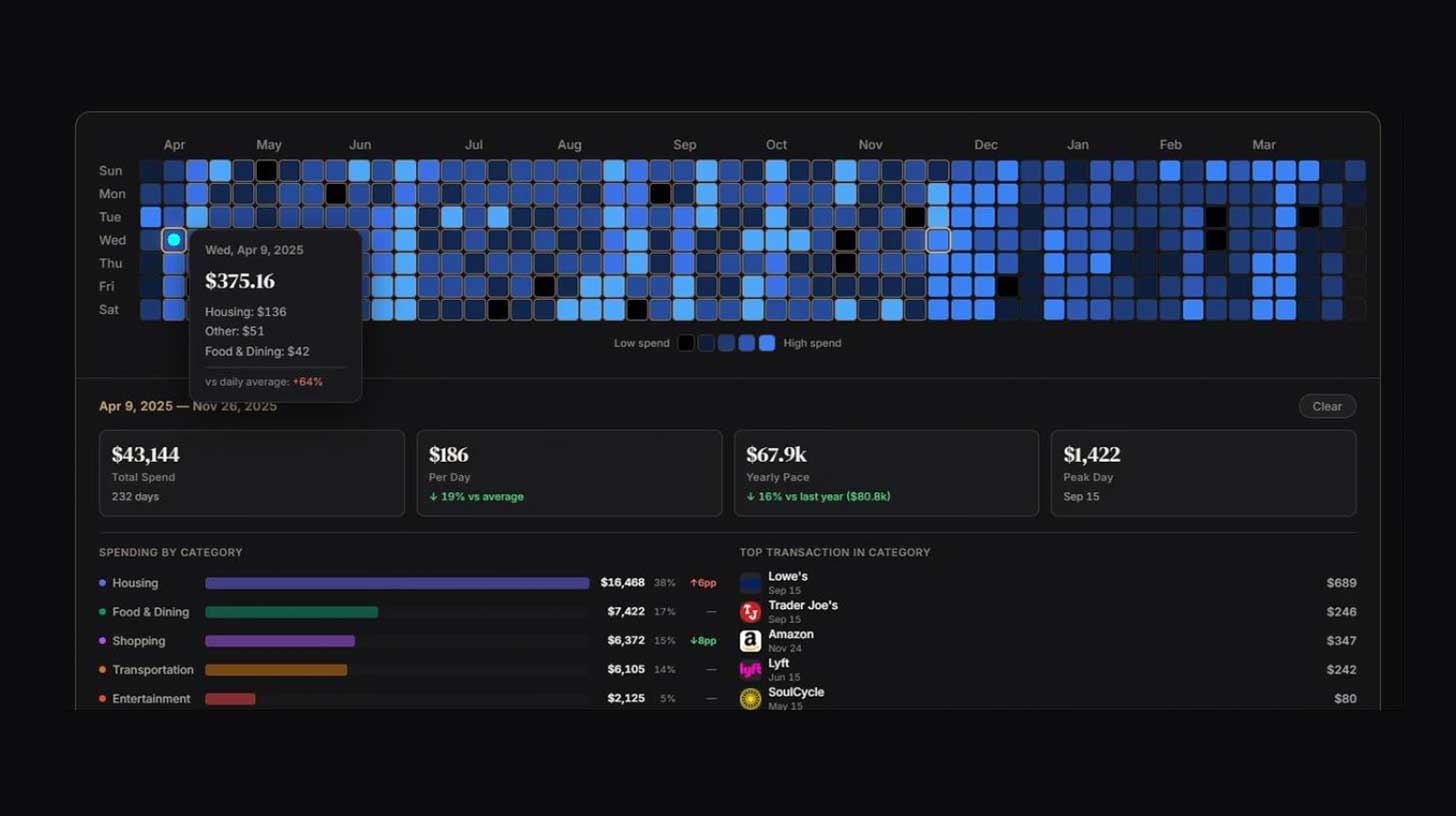
Image source: Lovart / The Rundown
The Rundown: Penn researchers published a study that fed over 400K Reddit posts about Ozempic and Mounjaro into AI models using a technique called “computational social listening”, pulling out side effects that clinical trials hadn’t caught.
The details:
The team used GPT and Gemini to map posts by 67K users to standardized medical terms, covering 5+ years of real Ozempic and Mounjaro discussions.
Nearly half the sample reported at least one side effect, flagging menstrual irregularities, chills, and hot flashes that aren’t reflected in current drug labels.
Fatigue ranked as the second most common complaint among users, despite barely showing up in clinical trial reporting thresholds for either drug.
Co-author Lyle Ungar compared Reddit to a "neighborhood grapevine", with patients swapping real-time notes that rarely make it into a doctor's visit.
Why it matters: AI is compressing parts of the drug discovery process, but it’s also increasing the novelty of what’s entering the market, making side effects harder to catch. Reddit is not a peer-reviewed journal, but thousands flagging similar symptoms is hard to dismiss — and LLMs just made it possible to listen at that scale.
QUICK HITS
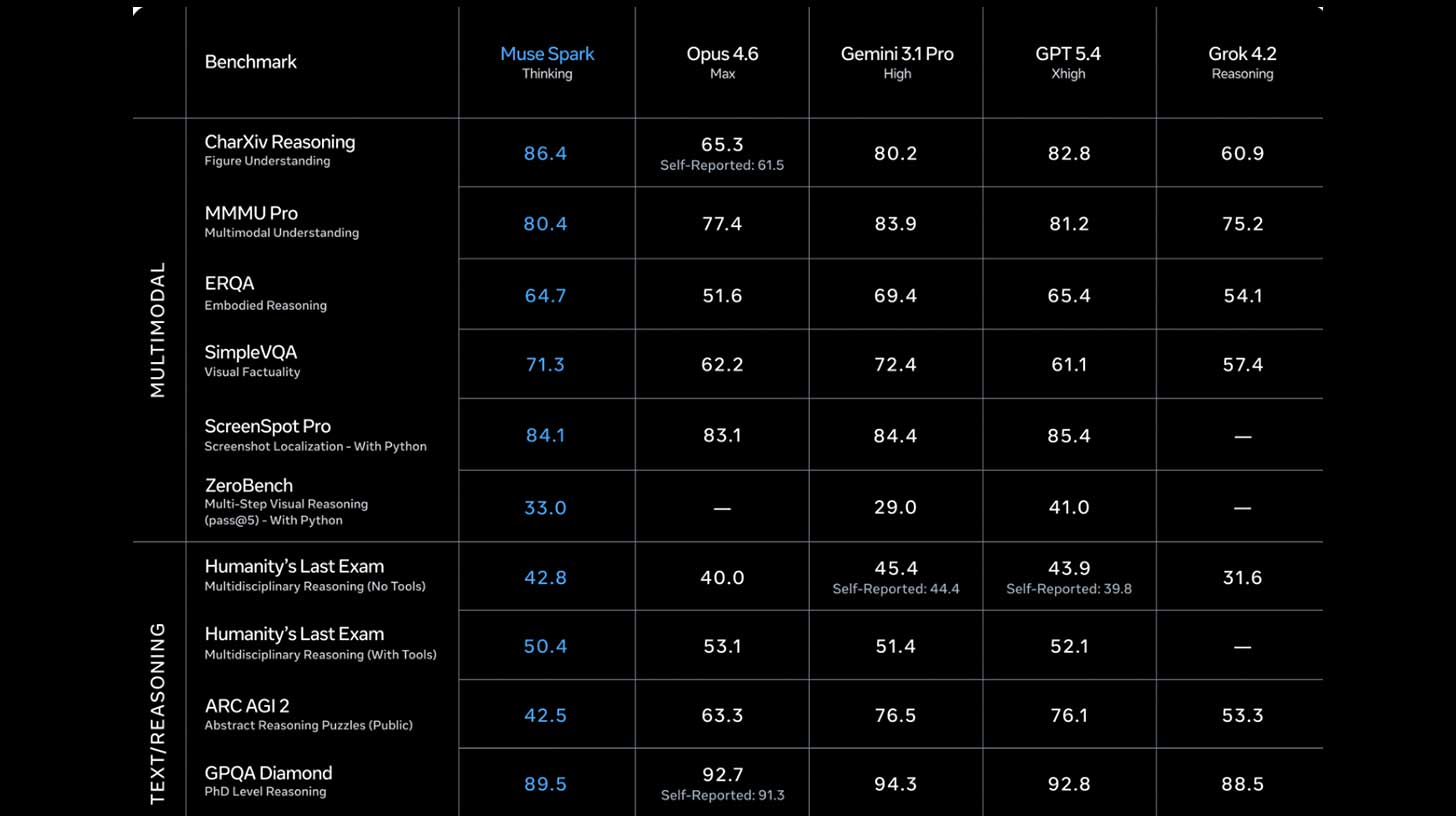
🧠 Muse Spark - Meta’s multimodal reasoning AI with multi-agent mode
⚙️ Cursor 3 - Cursor's agent-first interface for parallel coding agents
🎥 Avatar V - HeyGen's AI avatar model that generates studio-quality videos
🤖 Hermes Agent - AI agent with memory and cross-platform messaging
Agentic Analytics Summit, April 29 - Free virtual event where data leaders from Brex, Patagonia, Cube, and more share how they're building AI-native analytics in production. Learn more on cube.registration.goldcast.io.*
Alibaba revealed it is behind "HappyHorse," the unreleased video AI model that debuted atop global rankings and knocked ByteDance's Seedance 2.0 to second place.
U.S. Treasury Secretary Bessent and Fed Chair Powell summoned Wall Street CEOs to an urgent meeting over cyber risks posed by Anthropic's Mythos model.
Meta is reportedly hiring recently departed OAI Stargate execs, with Peter Hoeschele, Shamez Hemani, and Anuj Saharan joining to help build the new Meta Compute group.
Anthropic hosted Christian leaders at its HQ for a summit on Claude's moral development, covering grief responses, whether AI could be a "child of God,” and more.
*Sponsored Listing
COMMUNITY
Every newsletter, we showcase how a reader is using AI to work smarter, save time, or make life easier.
Today’s workflow comes from reader Elle W. in Ontario, Canada:
"After two years of chronic lower back pain and no answers from specialists, I was stuck. Despite X-rays and MRIs showing osteoarthritis and degenerative discs—common findings that didn't explain my specific agony—physiotherapy and shots failed. The medical field offered suggestions, but no solutions.
I fed my symptoms, imaging, and history into Gemini to find the root cause. Together, we pinpointed the exact triggers. It built a targeted exercise program and a four-month recovery plan with weekly milestones. Now, at 3.5 months, my pain is nearly gone. Where humans couldn't help, Gemini’s ability to troubleshoot and analyze my data finally gave me my life back. I am incredibly grateful for this healing journey."
How do you use AI? Tell us Visit docs.google.com.
Read our last AI newsletter: Perplexity’s agent pivot is on the money
Read our last Tech newsletter: Snap takes another swing at smart glasses
Read our last Robotics newsletter: Clone’s $20k synthetic human
Today’s AI tool guide: Generate editable infographics in 15 minutes
Watch our last live workshop: The State of AI Presentation Tools in 2026
That's it for today!Before you go we’d love to know what you thought of today's newsletter to help us improve The Rundown experience for you. |
|
See you soon,
Rowan, Joey, Zach, Shubham, and Jennifer — the humans behind The Rundown