Jensen Huang’s exit tests Nvidia’s dependence on its founder
Jensen Huang’s departure leaves Nvidia facing a difficult handover, with dozens of direct reports and customer relationships concentrated around its founder.
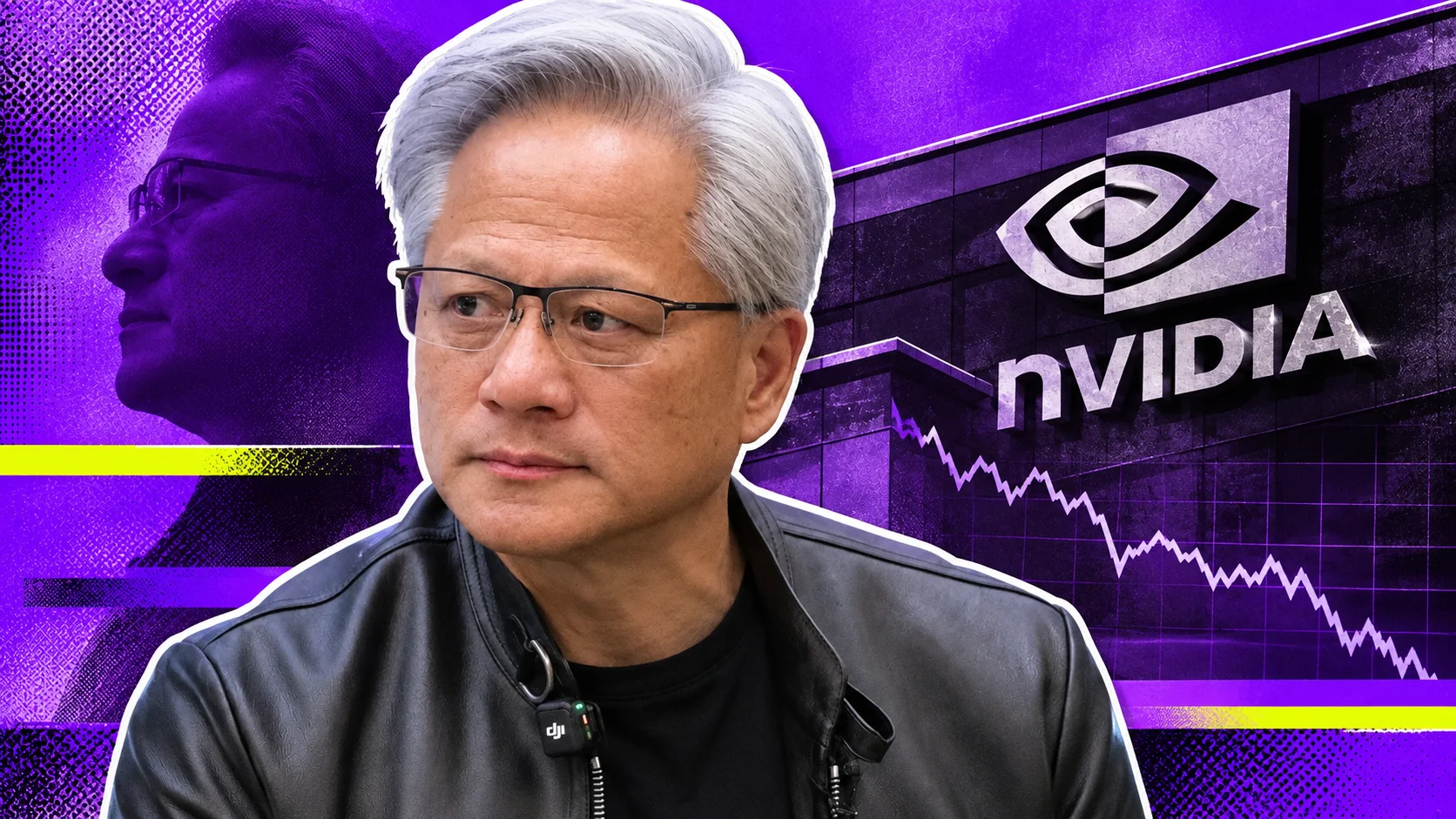
Jensen Huang’s future as Nvidia’s CEO was in doubt on the morning of November 12 after The New York Times reported an alleged affair with a company executive. The prospect of a sudden handover, covered in The Rundown’s morning report, raised a wider concern for AI companies that rely on Nvidia’s chips.
Update later on November 12
In a report published at 14:10 UTC on November 12, TechCrunch said Nvidia had named finance chief Colette Kress interim CEO. It reported that directors had accepted Huang’s resignation on November 11.
Nvidia’s announcement dated November 12 says Huang resigned as president, CEO and director, effective immediately. The Wall Street Journal reports that a search for a permanent successor is beginning.
Huang’s broad management role
Huang had more than 60 direct reports, according to CBS News reporting updated November 10. That leaves a broad set of management responsibilities to transfer. He has also served as Nvidia’s public face with customers.
Axios identified no obvious successor in its November 9 report. It also allowed that Nvidia could have a confidential plan, leaving the extent of the board’s advance preparation unclear.
Why it matters
Nvidia’s chips help train major AI models, so a difficult leadership change could reach beyond the company’s employees and shareholders. AI customers need Nvidia to keep product plans and delivery commitments clear as a new leader takes charge. Huang’s broad management role and customer ties make that transfer especially consequential.
Nvidia itself warns about this risk. Its 2026 annual report says that inadequate succession, knowledge transfer or leadership transitions could harm its business. The effect of Huang’s departure on product plans and deliveries remains unclear.
For managers who reported to Huang, the immediate test is who now approves product plans, makes customer commitments and settles disagreements between teams. An interim CEO could inherit a demanding set of decisions. Spreading authority across more executives could reduce the company’s dependence on one person, but it could also add steps for teams used to reporting straight to Huang.
Nvidia says manufacturing lead times can exceed 12 months in some circumstances. That makes responsibility for delivery schedules and future products important to buyers planning around Nvidia’s chips. Clear technical and commercial contacts would help customers understand who can answer questions and approve changes during the transition.
Huang’s public identity adds another challenge. Customers closely associate him with Nvidia, and a successor may need time to build similar confidence. Keeping commitments and giving customers direct access to people responsible for them could help make that change less disruptive.
A successful handover remains possible. Kress takes over while Nvidia searches for a permanent CEO. The questions now are how Nvidia divides Huang’s responsibilities, how it transfers the knowledge behind those decisions and whether customers see any change in the commitments they rely on.
Sources & further reading
This story builds on reporting from The Rundown newsletter on November 12, 2026.