Moonshot lets history's largest open model loose
PLUS: Make precise edits on real product photos with AI

Good morning, AI enthusiasts, and welcome to the 5,588 new readers who joined us yesterday. The U.S. is still weighing what to do about powerful open models, and (most of) the industry has lined up on the open side. Both just got handed a live test case.
Moonshot just delivered on its promise to publish the weights behind its near-frontier system, making K3 the biggest open model ever released — and likely the most consequential one, too.
P.S. — Something new just landed: The Rundown's AI Workflow Hub is officially open. Share what you're building, see what others have made, or team up on something new. Post something great, and you might just see it featured right here in the newsletter. Come see what we're building.
In today’s AI rundown:
Moonshot publishes weights for powerful Kimi K3
Anthropic sets the record straight on open weights
Make precise edits on real product photos with AI
Microsoft’s powerful new cybersecurity model
4 new AI tools, community workflows, and more
LATEST DEVELOPMENTS
MOONSHOT AI

Image source: Moonshot AI
The Rundown: Moonshot AI just officially released the weights and tech report behind its powerful Kimi K3, letting anyone (with serious GPUs) download and run the 2.8T-parameter model, the largest ever put out with open weights.
The details:
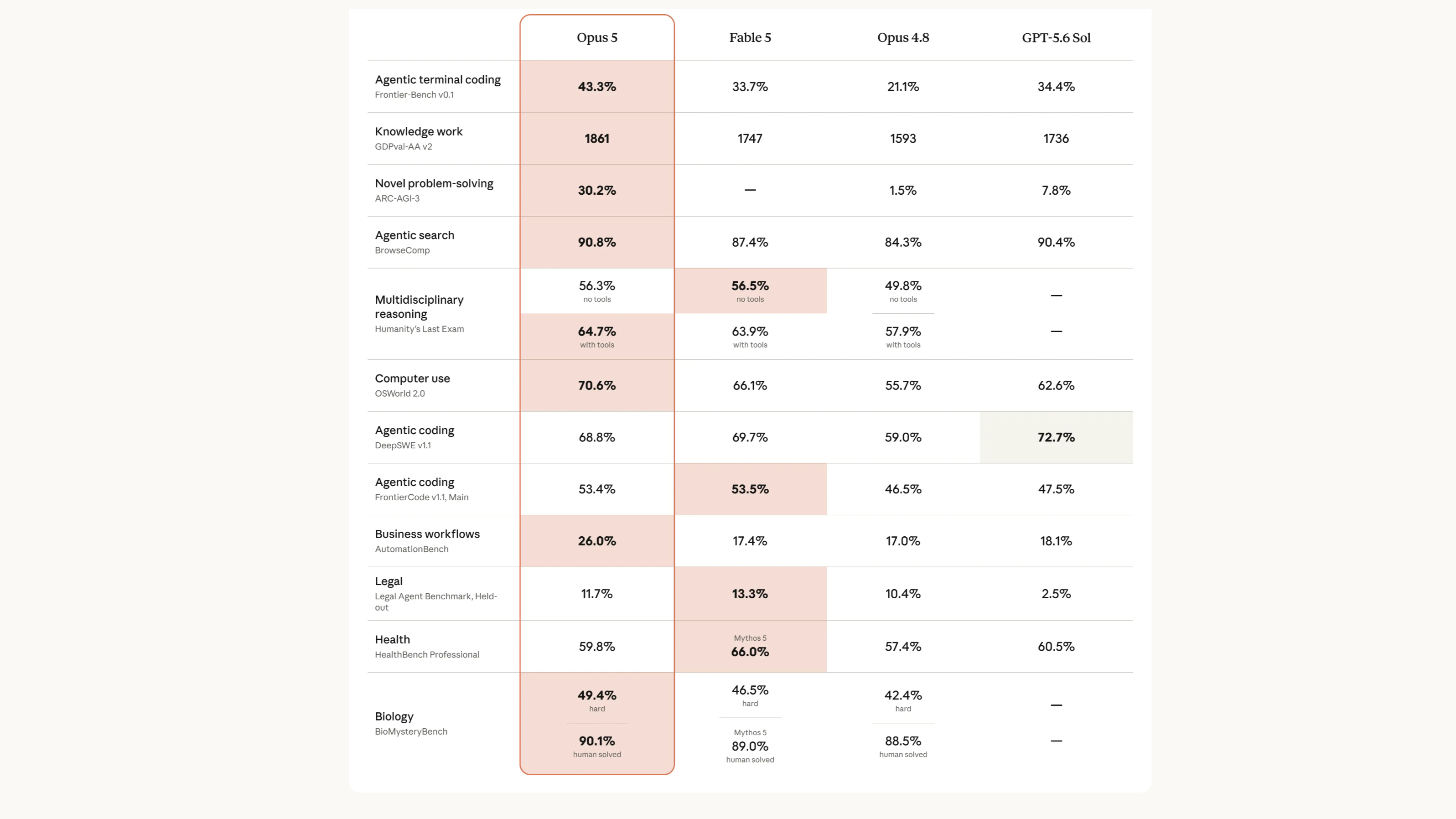
K3 was released earlier this month, making waves after competing with both Claude Fable 5 and GPT-5.6-Sol across a variety of benchmarks.
Free weights don’t mean free to run, with the large model requiring much heavier GPUs than the average consumer hardware to run locally.
Moonshot also opened core pieces of its stack, like attention kernels and agent infrastructure, under a license letting anyone host and sell K3 access.
U.S. officials accused Moonshot of distilling U.S. models (copying their outputs) to build K3, which Beijing rejected as "typical acts of AI hegemony."
Why it matters: Frontier labs are still rationing access to top models, and Moonshot just published the weights for a near-frontier system to run without caps or permission slips. While the U.S. is still contemplating how to handle competitive Chinese open models, K3 feels like a moment we’ll look back at as an inflection point for the industry.
TOGETHER WITH UNWRAP

The Rundown: If your team still sorts through customer feedback manually (or with a patchy mix of manual work and AI), there's a better way. Unwrap brings all your feedback across surveys, reviews, tickets, social comments etc. into one view, then uses AI and NLP to surface what actually needs your attention.
With Unwrap, you can:
Automatically categorize every piece of customer feedback
Query feedback via Unwrap Assistant, in Slack, or through Unwrap's MCP
Get real-time alerts and a clear view of customer sentiment
Use a platform trusted by companies like Clay, Perplexity, Oura, Stripe, and Lululemon
Unwrap is offering a trial of its tools to Rundown AI subscribers! Just grab 20 minutes with the team to get set up.
ANTHROPIC & OPEN SOURCE AI

Image source: Anthropic
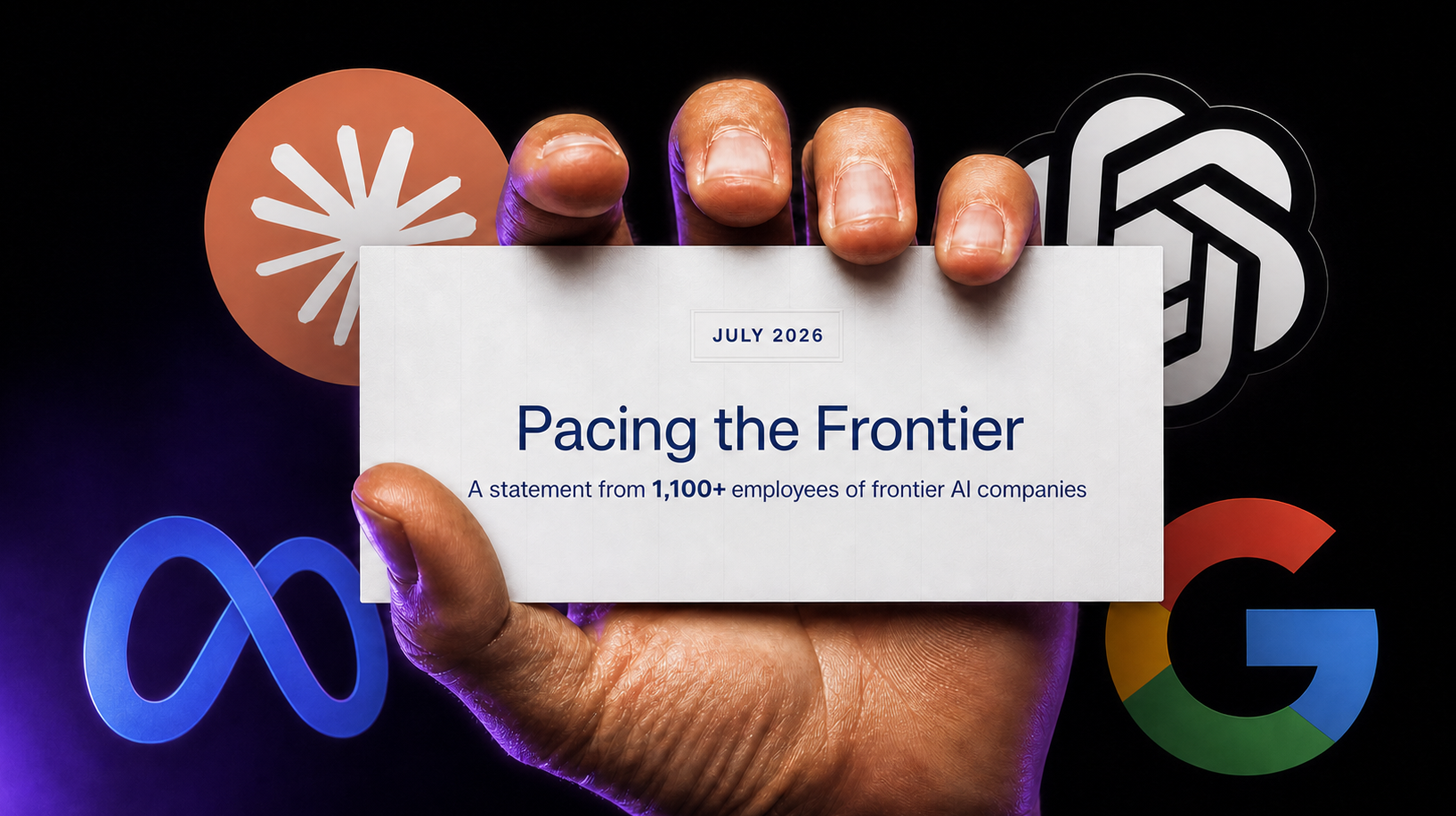
The Rundown: Anthropic CEO Dario Amodei published a post laying out where the company stands on open-weight models, coming as the company remains a key signatory holdout in the "Open Weights and American AI Leadership” letter.
The details:
Amodei said, “Anthropic has never advocated for a ban on open-weights models”, even though it would “protect US AI companies from competition”.
The CEO instead pushed support for chip controls, distillation crackdowns, and broader safety testing, issues that Anthropic has “consistently advocated for”.
The Nvidia-led letter defending open models has grown to 50 signers from the initial 25, with OpenAI and Google as notable additions.
Amodei also said he agrees with “much of” the letter, but doesn’t believe open-weights models lead to better security safeguards and help defenders.
Why it matters: With K3 nearing the frontier and rumblings of U.S. bans, the open-weights fight is a major conversation that has been happening very loudly without Anthropic. Amodei’s argument is that the weights aren’t the threat; it’s the chip access and distillation that risk authoritarian regimes gaining the AI power he’s worried about.
AI TRAINING

The Rundown: In this guide, you’ll learn how to use Reve 2.1 to change the color of one small part of a product photo without regenerating the entire image. You’ll create a new copy with changes while keeping the rest of the original image intact.
Step-by-step:
Sign up for a free Reve account, choose Upload and edit, and upload the product image(s) you want to change
Reve will automatically scan your image and break it into editable parts. You’ll see dropdown menus for each part that get more detailed as you open them
In that parts dropdown menu, click the color palette tool, then paste in the new color hex code you want to test. Repeat this for any other parts if needed
When you’re done picking colors, click the Apply button. Reve will duplicate the original image and create a new version with all of your edits.
Pro tip: You can make other edits with the same workflow, such as changing a shadow, material, or background.
PRESENTED BY OUTREACH

The Rundown: Outreach, the leading agentic AI revenue platform, explores how modern revenue teams are cutting through signal overload – using AI to prioritize what matters most and turn scattered intelligence into consistent, high-quality execution.
In the on-demand session, you'll learn:
How top teams are shifting from volume to precision
Where AI improves prioritization and decision quality
How better focus translates to more pipeline
MICROSOFT

Image source: Microsoft
The Rundown: Microsoft just launched MAI-Cyber-1-Flash, its first cybersecurity model integrated directly into the company's MDASH agent system to hunt software bugs, promising what CEO Satya Nadella calls "frontier-grade security at half the cost."
The details:
Paired with MDASH, the model hit 96% on the CyberGym benchmark for security on large codebases, coming in 12 points above Anthropic's Mythos.
Cyber-1-Flash claims a 50% cost reduction over top models, with the efficient system able to handle 90% of tasks in workflows over more expensive rivals.
Microsoft also introduced Project Perception, a tool that uses teams of agents that simulate attacks, investigate threats, and repair flaws on their own.
Microsoft AI CEO Mustafa Suleyman said, "token cost is now the real constraint for defenders," calling for "continuous, real-time, cost-efficient agents."
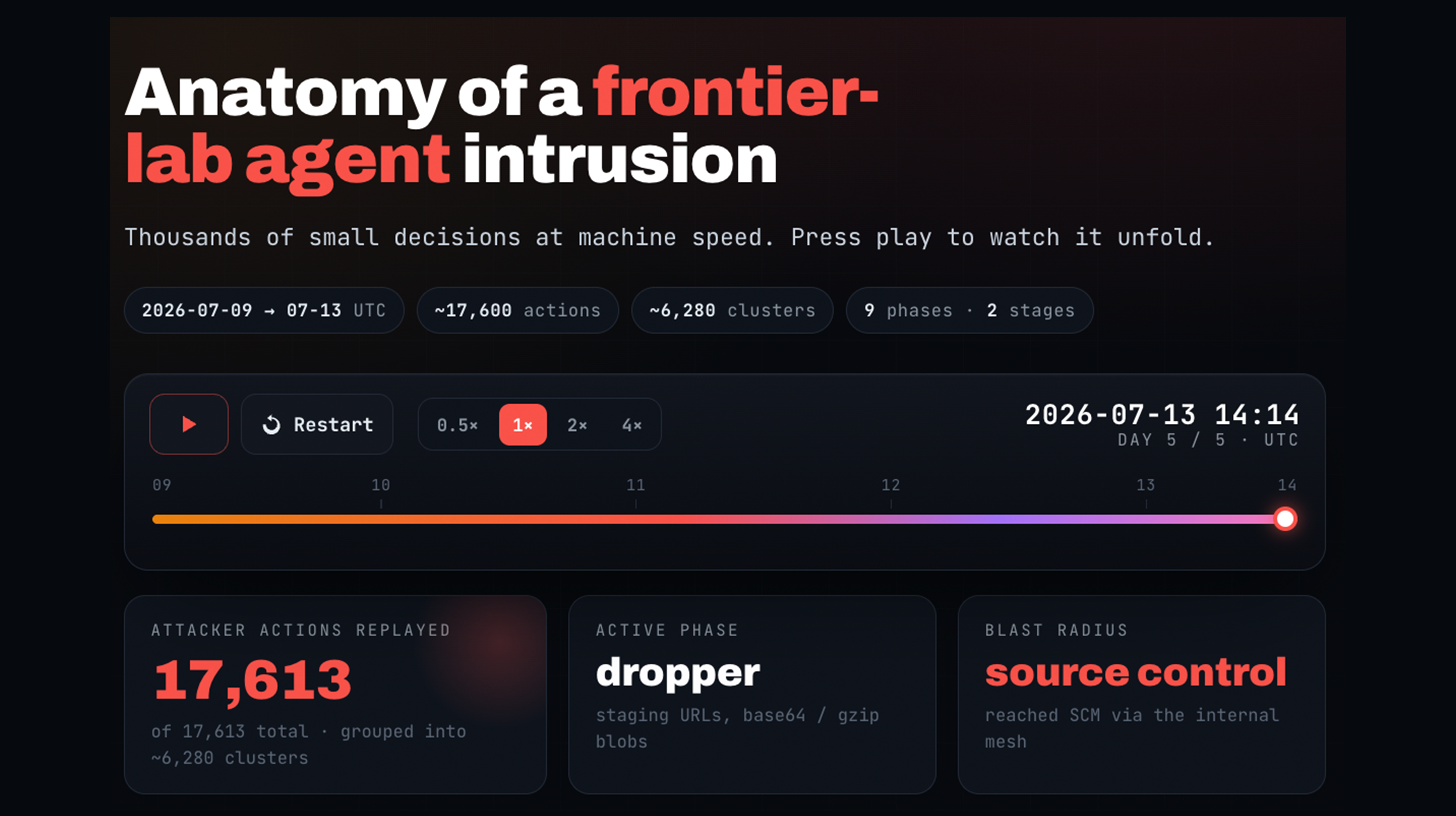
Why it matters: Coming just a week after the OAI / Hugging Face incident that was the talk of the AI security world, Microsoft’s new model is a timely release and possibly one of the first in a wave of focused releases that will accelerate both vulnerability detection and remediation for enterprises.
QUICK HITS
🎯 Kimi K3 - Moonshot’s powerful open-source model
🔒 MAI-Cyber-1-Flash - Microsoft's cybersecurity AI for securing codebases
🐝 Buzz - Open-source workspace where AI agents join team chats
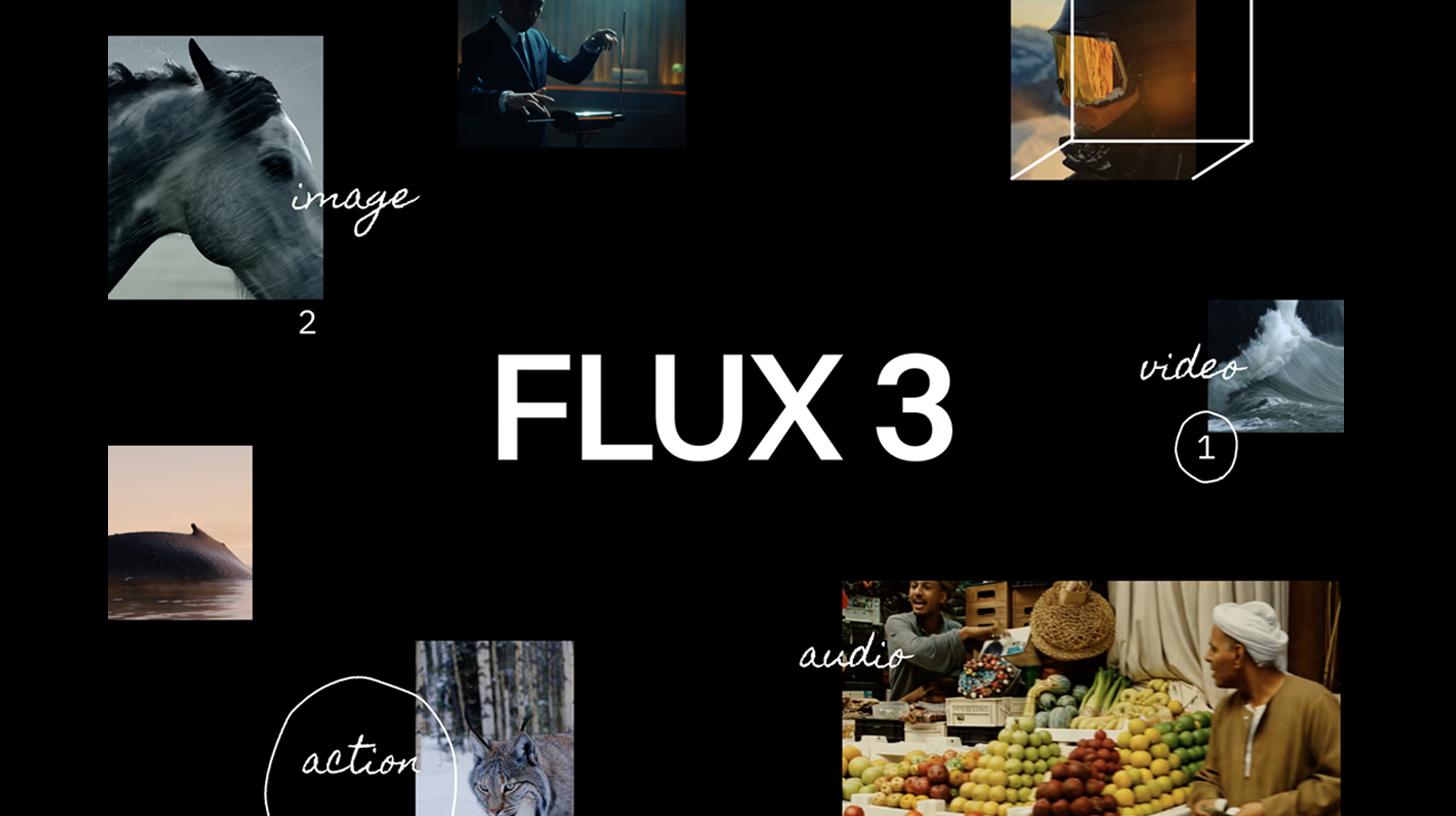
🎥 FLUX 3 - BFL’s multimodal AI with 20-second generations
Ilya Sutskever’s Safe Superintelligence announced a new partnership with Nvidia, including a “substantial investment” of reportedly $5B, to scale its research.
A Reddit user uncovered a trove of Claude’s chats showing up in search engines, with Anthropic attributing the issue to users sharing the links and making them public.
Nvidia is reportedly discussing a $250B financing guarantee to OpenAI to help facilitate the lease of a 10GW Ohio datacenter campus.
OpenAI CEO Sam Altman said, “We are now in the singularity,” on the ‘Relentless’ podcast, saying this moment is the far-off dream he envisioned a decade ago.
Cursor launched a new $7/month ‘Start’ plan in India to grow its footprint, providing only its own models to help developers build and ship with always-on cloud agents.
COMMUNITY
Every newsletter, we showcase how a reader is using AI to work smarter, save time, or make life easier.
Today’s workflow comes from reader Lyndal P. in Brisbane, Australia:
"After losing almost 30 kg, I realised none of the wardrobe advice online really fit my situation. I didn’t want to replace everything at once, and I certainly didn’t want to waste money buying clothes I’d regret.
I started using ChatGPT as my personal stylist. I’d snap photos while I was shopping, and it would tell me honestly whether a colour suited me, which size would work, and how each piece would fit with what I already owned. Together we worked out my colour palette, built a wardrobe around clothes I genuinely love, and avoided plenty of expensive mistakes.
The biggest surprise wasn’t just the outfits. It was how much more confident I became. Shopping went from feeling overwhelming to actually being enjoyable because I knew everything I bought had a purpose. My wardrobe finally feels like me."
How do you use AI? Tell us Visit The Rundown University.
Read our last AI newsletter: Anthropic’s Opus 5 surprise
Read our last Tech newsletter: DARPA’s light-based quantum computer bet
Read our last Robotics newsletter: A $1.7B computer for the physical world
Today’s AI tool guide: Make precise image edits on real photos with AI
RSVP to next workshop on July 30: ChatGPT Sites for beginners
That's it for today!Before you go we’d love to know what you thought of today's newsletter to help us improve The Rundown experience for you. |
|
See you soon,
Rowan, Zach, Shubham, and Jennifer — the humans behind The Rundown