Zoox’s San Francisco robotaxi push has to turn attention into fares
Zoox is courting San Francisco riders with free trips and local events. Repeat paying customers and busy vehicles will test its robotaxi business.
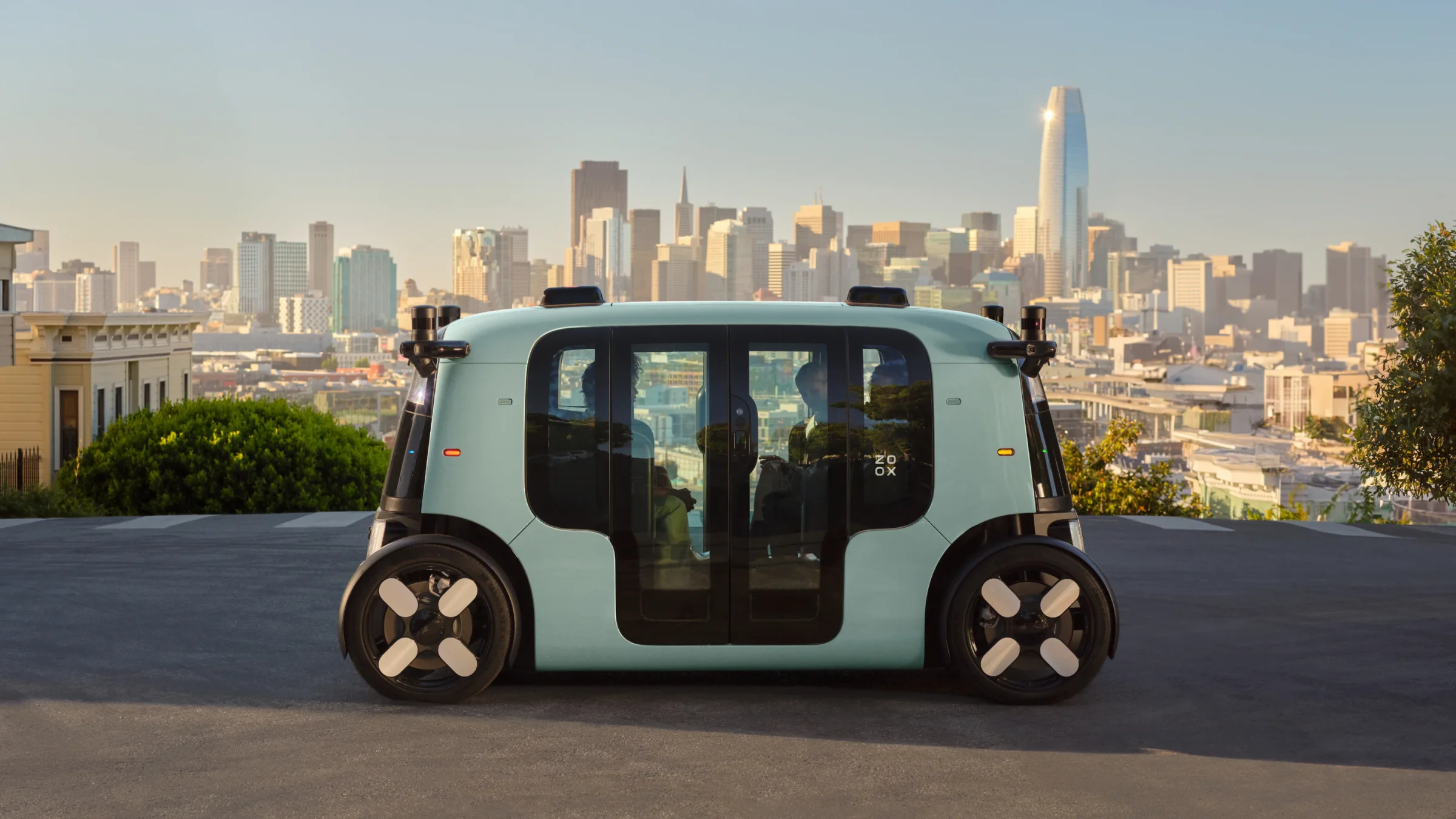
Amazon’s Zoox is courting influencers, offering free rides and staging local events to make its robotaxi a San Francisco attraction, according to The New York Times. The campaign, covered in The Rundown on Sept. 10, aims to draw attention in a city where it competes with Waymo.
The company has run ad campaigns, sponsored festivals and hosted events at its Union Square Rider Lounge. It has also offered free rides from the lounge to restaurants and tourist stops, including the Painted Ladies. SFMOMA’s listing for its Aug. 13 Drawing Night names Zoox as presenting sponsor of the museum’s Thursday Night Live program.
Zoox designed its robotaxi from scratch, without a steering wheel or pedals. It secured federal approval on July 30, with service still subject to state and local authorization, the Associated Press reported the next day.
The company announced on Aug. 5 that it would start charging for Las Vegas rides on Aug. 10.
Why it matters
Waymo has already shown there’s real demand for driverless rides, but robotaxi economics remain largely unproven. In March, Waymo reported 500,000 paid robotaxi rides a week. The cost of delivering those trips determines whether that demand can sustain a business.
For Zoox, free rides can make an unfamiliar service easier to try. The commercial test is whether a first trip leads to a paid ride and then repeat bookings. That matters especially for the free San Francisco offers described in the campaign. Tourists seeking an attraction and residents seeking regular transport may make different choices once a fare applies.
Zoox’s distinctive vehicle could help win repeat riders, though customers also have to weigh the experience against price and availability. Waymo is competing on the cabin too. In May, it described its Ojai vehicle as having a flat floor, a low entry step and adjustable cabin controls. It also announced free rides for selected customers to gather feedback.
High utilization is another test. Axios has identified idle vehicles as a cost problem for robotaxi operators. Useful measures for Zoox would include paid trips per hour a vehicle is active, mileage with passengers aboard compared with empty mileage, and time spent charging, cleaning or undergoing maintenance. A larger fleet could improve availability, but each added vehicle also needs enough paying trips to help cover its costs.
The spending behind those rides matters too. Revenue and costs need to cover the same city, period and vehicles for a meaningful comparison. A calculation that leaves out vehicle costs or development spending would give only a partial view of profitability. The cost of attracting a paying customer also belongs in that calculation, along with the revenue from that customer’s later trips.
Sources & further reading
- 01therundown.ai ↗
- 02nytimes.com ↗
- 03Drawing Night · SFMOMA ↗
- 04A robotaxi with no steering wheel just got the green light to charge you for a ride | Fortune ↗
- 05Zoox to start charging for robotaxi rides in Las Vegas | TechCrunch ↗
- 06Waymo’s skyrocketing ridership in one chart | TechCrunch ↗
- 07Same Driver, new vehicle: Welcoming our first riders trips in the Ojai ↗
- 08Uber sees opportunity, not threat, in robotaxis ↗
This story builds on reporting from The Rundown newsletter on September 10, 2026.