Zoox tests custom warning sounds for robotaxis
In tests, Zoox’s warning tones prompted decisions against crossing about as quickly as a horn sound. Signaling that a vehicle was waiting proved harder.
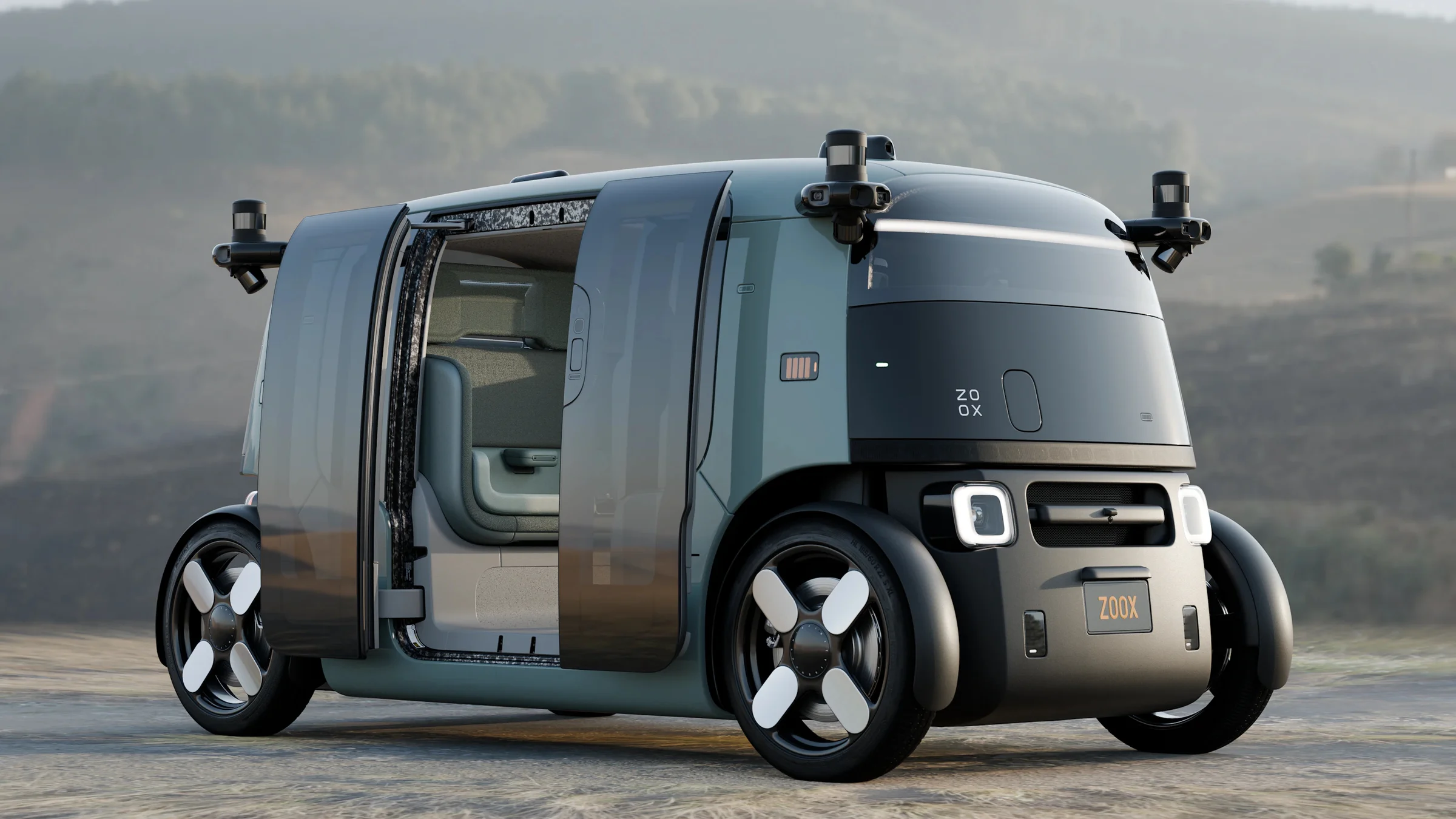
Zoox and Virginia Tech have tested custom warning tones meant to help robotaxis get pedestrians’ attention without startling them. The research, featured in The Rundown’s November 26 issue, suggests those tones can prompt people to decide against crossing about as quickly as a horn sound.
Virginia Tech reported the work on September 9, 2026. A separate set of tones, meant to signal that a vehicle was waiting for a pedestrian to cross, did not significantly improve crossing timing.
What the tests measured
In the study, 40 participants, including 20 with visual impairments, completed 360 trials on Virginia Smart Roads, a closed test course. Researchers ran 200 midblock scenarios and 160 at marked crosswalks. Participants signaled whether they would cross by releasing a button or marching in place. The vehicle was a Toyota Highlander hybrid driven by a human.
Zoox’s Jeremy Yang told IEEE Spectrum that the research vehicles used two speaker arrays, each with 32 channels, capable of directing sound toward pedestrians.
The team’s analysis of 168 midblock trials estimated times of 1.91 to 2.14 seconds to decide against crossing for the custom warnings, compared with 2.02 seconds for a horn sound played through the external speakers. The estimate for the baseline, which included engine and vehicle sounds at low speed, was 3.68 seconds.
The team found no statistically significant difference between the warnings and the horn sound. That does not establish that they work equally well.
Why it matters
Quiet electric robotaxis need a way to warn people without startling them. For blind pedestrians and those with low vision, that is especially important. A useful sound must help someone recognize where the signal comes from and what it means. Testing needs to account for people who cannot rely on visual cues to interpret the message.
The warning result is encouraging because participants received no prior explanation of the tones, Virginia Tech reported. A cue that people can understand on first hearing could help robotaxis communicate with pedestrians who have never encountered them before.
Making a warning gentler can also weaken its message. In the study, most warning tones scored similarly to the horn sound on urgency and aggression. One candidate was rated less assertive, but also less urgent and less clear. Designers need to reduce the jolt while keeping the warning clear enough to change a pedestrian’s decision.
The controlled tests had no surrounding traffic or other pedestrians, and warnings sounded five seconds before a potential collision. Those conditions leave open how well the tones would work when several vehicles are moving nearby. The study measured decisions and perceptions, leaving any effect on crashes unproven.
The tougher task is communicating “go ahead.” The waiting tones did not significantly improve crossing timing. Yang offered two possible explanations in Virginia Tech’s account. People may need repeated exposure to learn the signal, or the vehicle’s movement may already give them enough information. The results leave both explanations open.
A tone meant to signal that one vehicle is waiting could also be heard as permission to cross the entire road. Designers need to test whether pedestrians understand the limits of that message when other traffic is present.
Sources & further reading
This story builds on reporting from The Rundown newsletter on November 26, 2026.