XPeng targets 2027 showroom work for its IRON humanoid
XPeng plans retail work for its IRON humanoid in 2027, drawing on car AI as it faces experienced rivals and the tougher demands of household chores.
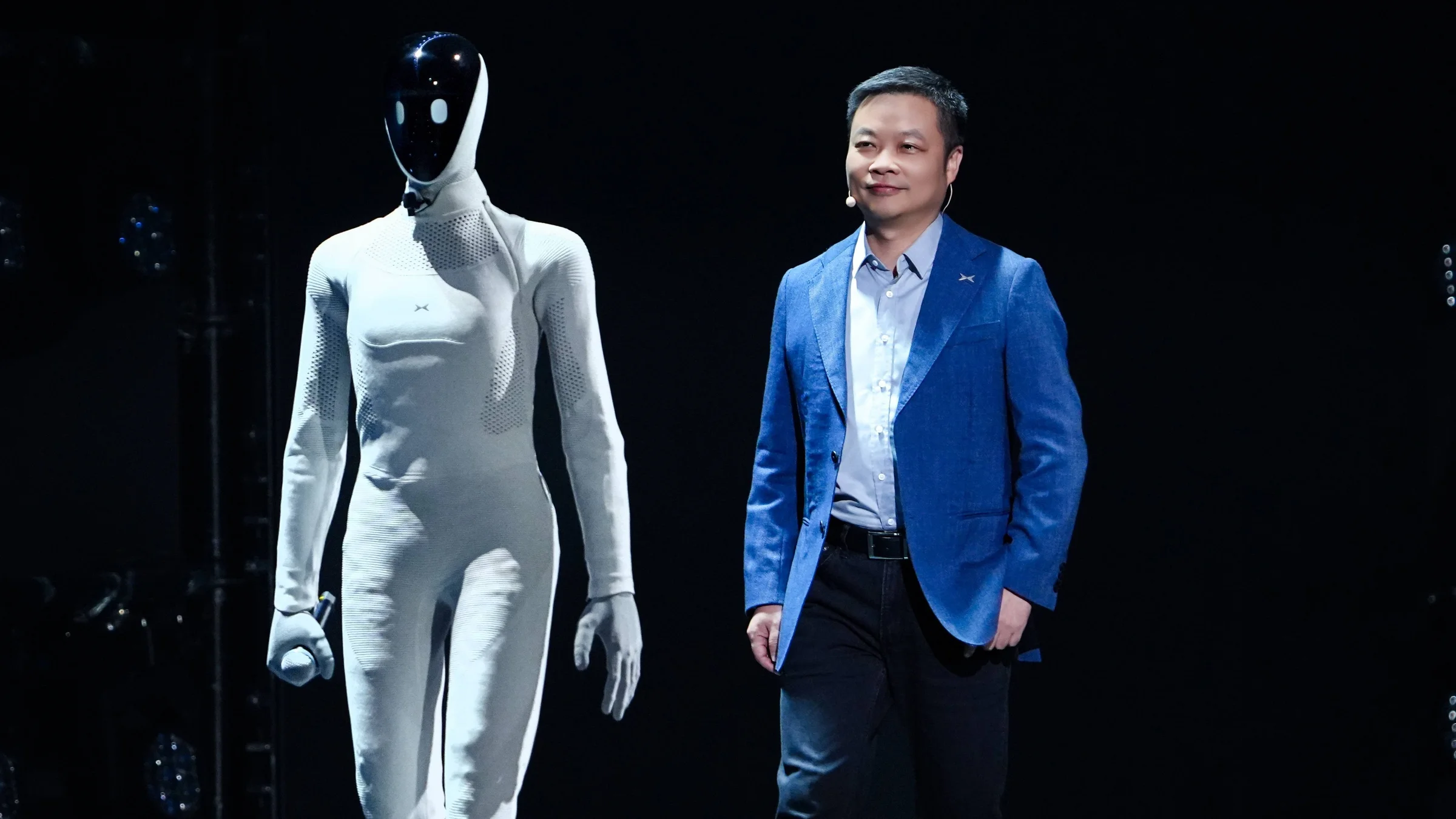
Chinese EV maker XPeng unveiled an updated IRON humanoid at its 2026 AI Day, targeting showroom work in early 2027 as it works toward robots that could handle household chores. The plan, covered in The Rundown on November 26, draws on the AI and data tools XPeng developed for its cars.
In its November 25 announcement, XPeng says IRON has 76 degrees of freedom, more than 1,500 tactile sensing points and three Turing AI chips. The company also says the robot can navigate on its own and recharge itself.
A showroom rollout planned for 2027
XPeng is targeting store assistant training in the first quarter of 2027 and a public release in the second quarter. Retail work would give it a chance to test the robot in a commercial setting before trying to bring it into homes.
Co-president Brian Gu told CNBC that home deployment could follow successful commercial use by one to two years. No firm timetable has been set for a household launch.
Why it matters
XPeng can build on tools developed for its cars. It describes VLA 3.0 as a shared AI architecture for vehicles and humanoids, including its YOYO-01 robotaxi planned for 2027. The layer for fast responses still uses VLA 2.0.
XPeng also says its Robot Data Factory covers more than 250 scenarios and 15 job categories, drawing on automotive tools for processing data and assessing performance. Reusing that infrastructure could reduce development work. The dedicated robot data effort also points to the need for training on the tasks IRON is meant to perform.
XPeng faces competitors with manufacturing and delivery experience. AgiBot said in March that it had produced its 10,000th humanoid. Unitree said it sold and delivered more than 5,500 humanoids to end customers in 2025. The figures cover different periods and measures, but they show why XPeng faces pressure to turn its roadmap into sustained production and deliveries.
In September, XPeng announced that its robot production lines had been commissioned and that an IRON unit had walked off them. Sustained output and deliveries would give a clearer measure of its ability to compete.
The planned store training would give XPeng a place to test practical value. For retailers, useful measures would include how often IRON completes tasks without human help, whether it charges reliably and how it recovers from interruptions. Frequent intervention could add supervision work for staff and reduce the value of having an assistant.
Homes pose a harder test because the surroundings can change. Rooms can be rearranged, and children or pets can interrupt a task. WIRED’s 2025 reporting on Sunday Robotics’ Memo described the gap between demonstrations and reliable work across varied homes without engineers nearby. IRON would need to show it can finish chores after objects move and respond safely when a child or pet gets close.
Sources & further reading
- 01therundown.ai ↗
- 02xpeng.com ↗
- 03cnbc.com ↗
- 04AGIBOT Reaches 10,000 Units as Real-World Demand for Robots Accelerates ↗
- 05Clarification Regarding Unitree's 2025 Sales Data – UnitreeRobotics ↗
- 06XPENG IRON Humanoid Robot Now Walks Off the Production Line ↗
- 07This Home Robot Clears Tables and Loads the Dishwasher All by Itself | WIRED ↗
This story builds on reporting from The Rundown newsletter on November 26, 2026.