X adds teen parental controls amid lawsuits over Grok
X’s new parental controls give families tools to manage teens’ accounts as lawsuits over Grok and research on younger children raise safety concerns.
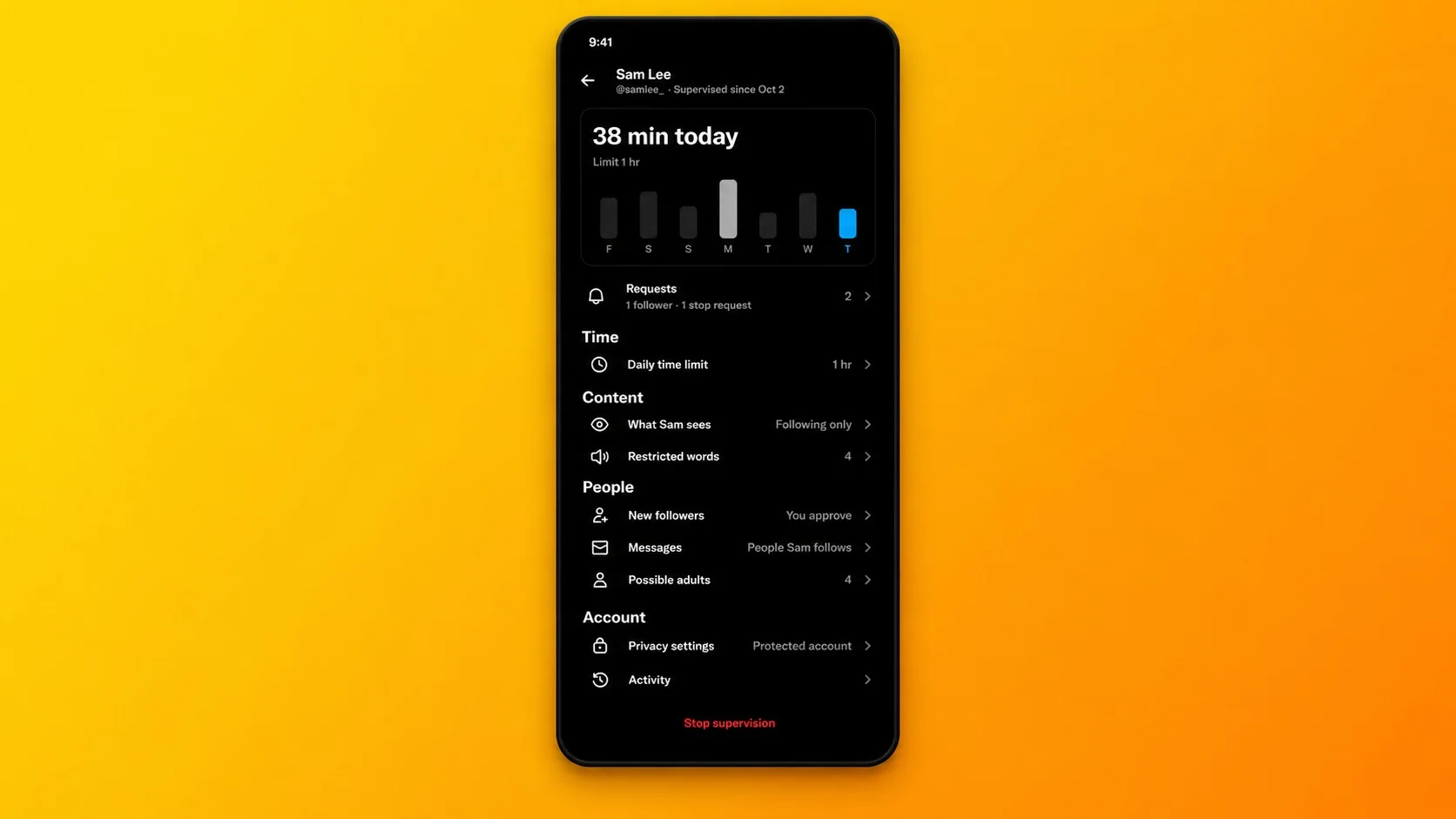
X added its first parental controls this week, about 20 years after Twitter launched. The dashboard, covered in The Rundown’s November 27 edition, lets parents set limits on teens’ accounts, provided the teen agrees to supervision.
What parents can control
According to X’s documentation, parents can set daily time limits, approve new followers, filter keywords and adjust recommendations, sensitive media and who can send direct messages. The tools cover ages 13 to 17. One parent can supervise up to five teens, and each teen can have one supervising parent.
Both accounts must agree to supervision, and teens see an activity log of every change a parent makes. Under X’s current rules, teens cannot override those settings and need parental approval to end supervision.
Parents can see who their teen messages in individual chats. Message contents, searches and viewing history stay private. That gives families some visibility into contacts while preserving privacy around the conversations themselves.
Some protections apply by default. Engadget reports that X restricts sensitive media and blocks targeted advertising for teens separately from optional supervision.
Why it matters
Baltimore sued xAI in March, alleging that Grok generated nonconsensual sexual imagery, including images of children.
A proposed class action expanded on July 7, adding two plaintiffs and Stability AI over allegations that childhood photographs had been turned into child sexual abuse material. Ars Technica reported that some original plaintiffs’ images may have involved Grok, tools linked to Stability AI, or both. Elon Musk denied that Grok generated child sexual abuse images.
For parents, the practical gap is between managing a child’s account and stopping someone else from misusing a child’s photo. Time limits and follower approval can help set boundaries around a teen’s activity and contacts. The harms alleged in court also involve the actions of another person and the image tools available to them. It remains unclear how the new controls affect Grok’s image features or help prevent that misuse.
Consent creates another tradeoff. Teens must agree to supervision, then need a parent’s permission to leave it. Families should understand that arrangement before linking accounts. Privacy limits also mean a parent who spots a worrying contact may need a conversation with the teen to understand what happened.
In an analysis published in August 2024, Qustodio, which sells parental control software, found that 31% of U.S. children aged 7 to 9 in its dataset had accessed X. The wider dataset covered anonymous app and online activity from 180,000 U.S. families with children aged 7 to 18.
That finding does not establish national usage, account ownership or how many children access X today. The cited children were also younger than the dashboard’s eligible age range. For parents of younger children, the rollout leaves open how X checks ages and protects children who reach the platform before they qualify for supervision.
Sources & further reading
- 01therundown.ai ↗
- 02help.x.com ↗
- 03X finally gets parental controls after 20 years | TechCrunch ↗
- 04X Is Adding Its First-Ever Parental Controls ↗
- 05Baltimore sues Elon Musk’s AI company over Grok’s fake nude images | Elon Musk | The Guardian ↗
- 06Lawsuit: Man used Grok to make 7K sex images of stepdaughter, then shot himself - Ars Technica ↗
- 07Apps through the ages: A Qustodio study on kids’ tech use in the USA | Qustodio ↗
This story builds on reporting from The Rundown newsletter on November 27, 2026.