Federal regulators probe Waymo’s school bus safety fix
NHTSA is reviewing Waymo’s school bus fix as the company claims progress and reportedly plans to expand its fleet to 20,000 vehicles by the end of 2027.
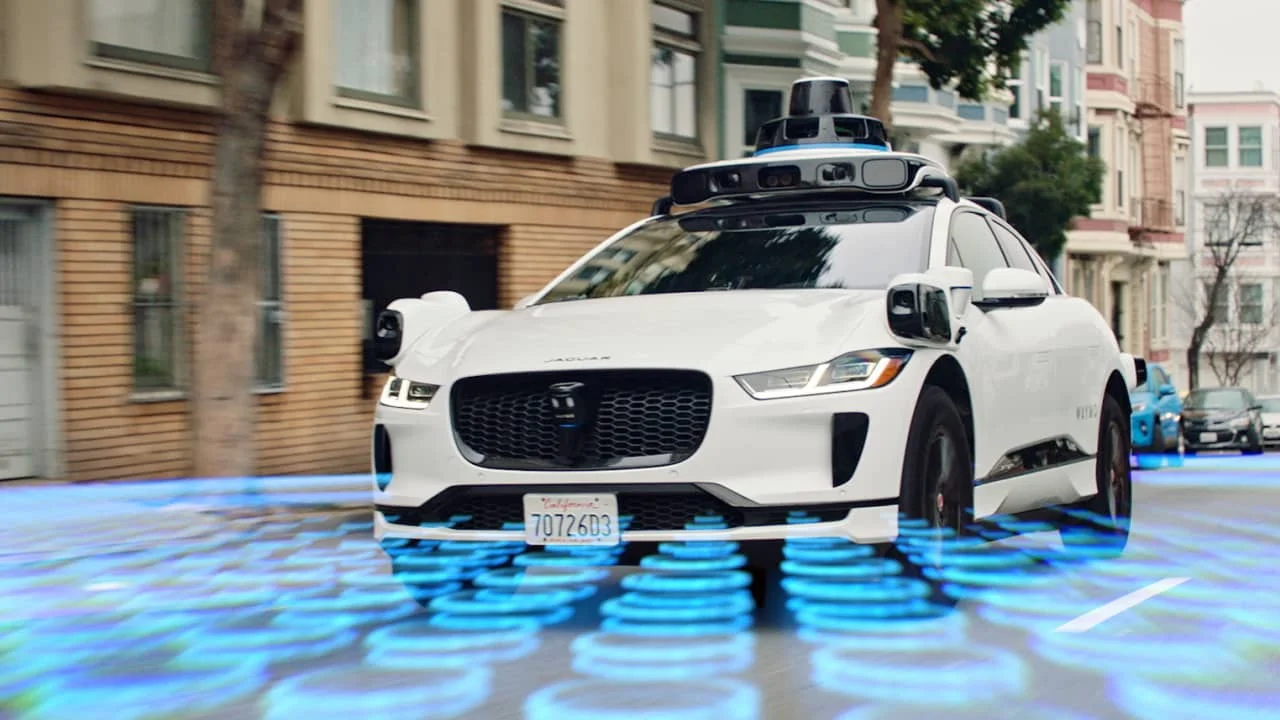
Federal safety regulators are reviewing Waymo’s fix for illegally passing stopped school buses, as The Rundown reported on Nov. 12. Reports of violations after the software update have put the remedy’s reliability in question.
The National Highway Traffic Safety Administration opened the recall query on Nov. 6, covering 2,895 fifth generation automated driving systems. The agency says most incidents identified in its preceding investigation occurred after the Nov. 17, 2025, remedy date. It is examining whether the fix was adequate and what caused the incidents reported afterward.
What the update was meant to fix
Waymo’s Dec. 10, 2025, recall filing covered 3,067 fifth generation systems. The company said it had already deployed the software update between Nov. 5 and Nov. 17 that year.
The defect involved robotaxis that slowed or stopped, then drove past buses with red lights flashing or stop arms extended. Waymo said the software could decide a robotaxi was impeding a vehicle it treated as having priority and resume moving. Its fix was intended to keep that decision from overriding the requirement to remain stopped. Waymo reported no collisions tied to the original behavior as of the December filing.
In a Nov. 20, 2025, letter, Austin ISD reported 19 incidents since the start of the 2025–26 school year. Its attached citation table listed multiple $300 assessments.
Why it matters
Waymo says its behavior around school buses has improved and that it has received no citations for passing them since March 2026. Citations provide only a partial measure of safety. Waymo’s own recall filing described a September 2025 event that produced no citation.
NHTSA’s opening notice gives no full incident timeline or violation rate per bus encounter. That leaves the latest incident date and any change in risk after the update unclear. For families and schools, the practical test is whether a robotaxi keeps waiting while a bus’s signals remain active, even when its software sees another reason to move.
Unresolved concerns can also affect service. Austin ISD demanded that Waymo suspend automated operations during specified morning and afternoon school transportation hours. A pause could reduce encounters with school buses while limiting robotaxi availability at those times.
School safety scrutiny extends beyond bus signals. NHTSA opened a separate investigation on Jan. 28, 2026, after a Waymo struck a child near a Santa Monica elementary school on Jan. 23. The agency says the child emerged from behind an SUV that was double parked; Waymo reported minor injuries. Investigators are assessing whether the robotaxi exercised enough caution near the school and how it responded after impact.
The scrutiny comes as Waymo reportedly plans a fivefold fleet expansion. Semafor reported on Oct. 19 that the company aimed to grow from about 4,000 vehicles to 8,000 by the end of 2026 and 20,000 by the end of 2027. Waymo declined to comment. If that growth brings more encounters with school buses, any remaining failures could put more people at risk. Whether the same issue applies to vehicles in that planned expansion remains unclear.
Sources & further reading
This story builds on reporting from The Rundown newsletter on November 12, 2026.