UN extends autonomous weapons talks to 2028 without a binding commitment
Governments agreed to draft a possible autonomous weapons accord through 2028, leaving binding rules unsettled after nearly 13 years of UN talks.
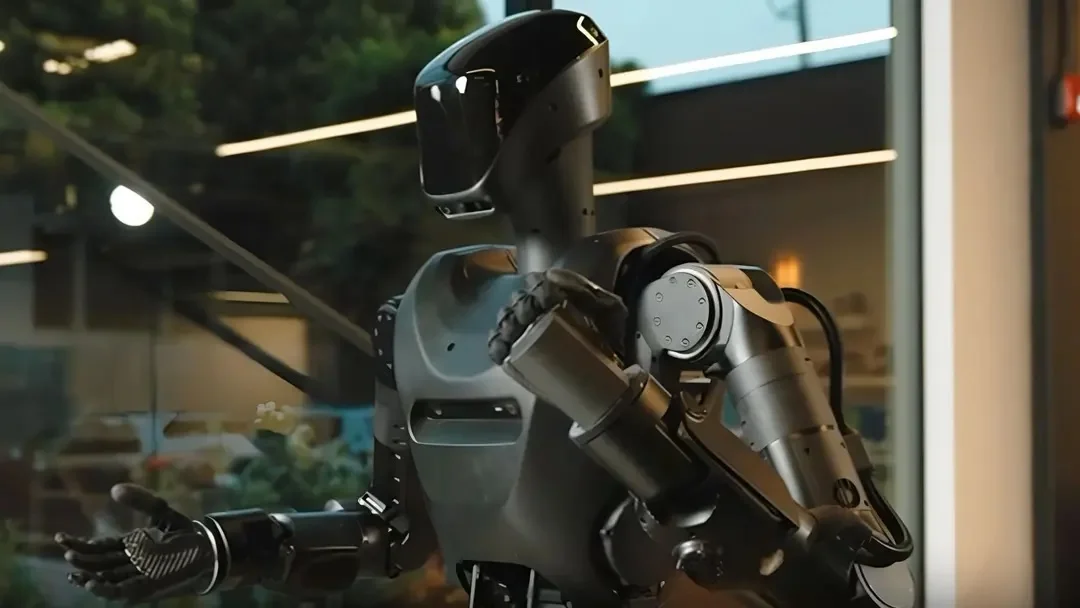
The 128 states party to the UN’s Convention on Certain Conventional Weapons have agreed to spend two more years working on an autonomous weapons accord. As The Rundown reported, the Geneva talks ended with a drafting mandate and no commitment to negotiate binding rules.
Switzerland, whose ambassador chaired the conference, said on November 21 that drafting would take place during 2027 and 2028. It welcomed the mandate as progress, while acknowledging that the main work still lies ahead.
What governments agreed to
The final text commits states to “elaborate” a possible international instrument. Its legal status remains unresolved. AP reported that the convention operates by consensus, meaning one country can block agreement.
The result falls short of the step UN chief António Guterres and Mirjana Spoljaric, president of the International Committee of the Red Cross (ICRC), urged in their August 25 appeal. They called for immediate negotiations on legally binding prohibitions and restrictions.
Why it matters
After nearly 13 years of discussions, governments are heading into a 14th without binding international rules specifically governing autonomous weapons. The ICRC told the review conference on November 18 that the work already done provided enough grounds to begin negotiating a new protocol.
In August, The New York Times reported that a Russian drone believed to have used AI to select its final target killed three civilians in Ukraine, including a student aged 19. That account gives the delay a human stake, even as the drone’s targeting process remains uncertain.
Existing international humanitarian law applies to autonomous weapons, as the ICRC explains. The additional rules it seeks would address autonomous target selection and the use of force. The debate centers on how much control people retain over those decisions.
For civilians in areas where these weapons operate, proposed limits concern what a weapon may attack, where it may operate and for how long. The ICRC also recommends limits on the scale of operations and ways to deactivate or neutralize a system. For military commanders, making those proposals binding could set clearer limits on when and how to deploy an autonomous weapon. Governments have yet to settle which safeguards an accord would contain.
Guterres and Spoljaric also warned in their joint appeal that reduced human control could make responsibility for errors and violations harder to establish. For anyone investigating an attack, the practical questions include who authorized deployment, what limits they set and what records could help reconstruct events. Those questions connect the technical choices made before deployment to accountability after an attack.
The joint appeal also warned of a widening gap between weapons capabilities and regulatory constraints. Weapons development and deployment can advance during the next two years of drafting. Governments still have to agree on the limits themselves and whether those limits will carry legal force, through a process in which one state can block agreement.
Sources & further reading
- 01therundown.ai ↗
- 02New mandate on lethal autonomous weapons systems adopted in Geneva: the FDFA welcomes this step forward ↗
- 03apnews.com ↗
- 04Renewed call from UN Secretary-General and ICRC President to adopt rules on autonomous weapon systems | International Committee of the Red Cross ↗
- 05Autonomous weapons: ICRC warns that States must act now to preserve meaningful human control over the use of force | International Committee of the Red Cross ↗
- 06nytimes.com ↗
- 07Frequently asked questions: Autonomous weapon systems | International Committee of the Red Cross ↗
This story builds on reporting from The Rundown newsletter on November 23, 2026.