Uber Kids tests solo rides for tweens in three cities
Uber Kids is testing solo rides for children ages 10 to 12 in three cities, with PIN checks, driver training and live video for parents on request.
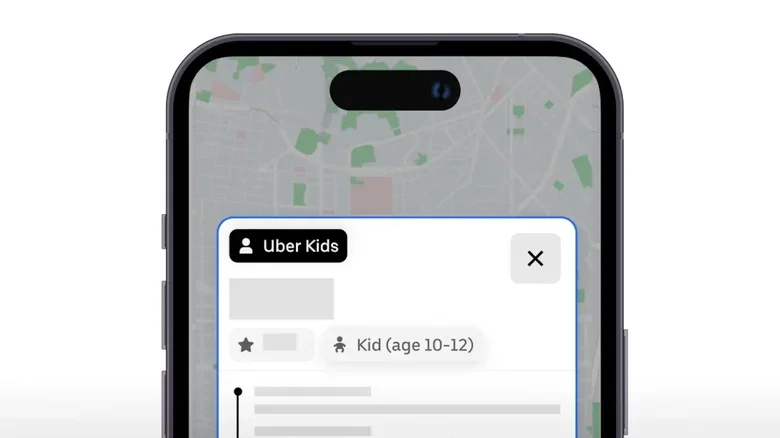
Uber is testing Uber Kids in Austin, Nashville and Madison, letting parents book trips for children ages 10 to 12 who ride without an accompanying adult. The pilot, featured in The Rundown’s Nov. 20 edition, requires a PIN check at pickup and audio and video recording of every trip.
How Uber Kids works
Under Uber’s published rules as of Nov. 23, rides run from 5 a.m. to 9 p.m. A guardian or trusted adult must be at pickup to confirm the child’s unique PIN with the driver.
Uber says it invites select, highly rated drivers, who must complete Uber Kids training. Requests carry an Uber Kids label before the driver accepts.
Eligible drivers earn an extra $7 per Uber Kids trip compared with UberX. Uber also lists a $20 promotion for a driver’s first completed Uber Kids trip. It requires an invitation and ends 30 days after the local launch.
Drivers must record audio and video on their phones, capturing themselves and the child. Guardians can request a live video feed from the driver’s phone.
Why it matters
Uber’s early teen pilots in 2017 failed to take hold, TechCrunch reported in 2023. In May 2023, Uber announced accounts for ages 13 to 17, with drivers able to identify teen requests before accepting and opt out, The Verge reported.
Uber Kids now tests whether the company can make rides for younger children work in practice. Clear labels, required training and extra pay may help drivers decide whether to take on that work. Whether drivers keep accepting trips after the introductory bonus ends will help determine how dependable the service is for families.
A training requirement alone says little about a driver’s experience caring for children. Families and drivers also need clear insurance terms and a clear account of who is responsible if a trip goes wrong.
For parents, the service could replace some driving while leaving them to coordinate both ends of the trip. Uber allows some arrivals without an adult waiting, but requires drivers to confirm arrival at the entrance or complete a handoff. Families need a destination plan as well as an adult available at pickup.
The camera brings its own limits. Uber’s current live video FAQ says phone calls or other apps that access the microphone can interrupt the feed and audio. Guardians cannot replay the feed afterward, and recordings ordinarily disappear after 14 days unless included in a safety report. Video can help a guardian check a ride, but these limits matter when deciding how much oversight to expect.
If the pilot takes off, Uber Kids would compete with HopSkipDrive, which accepts riders as young as 6. The company says its drivers need caregiving experience and undergo fingerprinting, criminal record and driving record checks, plus checks for child abuse or neglect. It requires booking six hours ahead and lets drivers claim recurring rides up to six weeks in advance.
Families weighing the two will need to compare fares, local availability, booking notice and driver experience, along with the plan for a missed pickup or a change at the destination.
Sources & further reading
- 01Uber tests rides for kids as young as 10, with extra pay for drivers | TechCrunch ↗
- 02therundown.ai ↗
- 03Explore the Uber Platform | Earn & Ride | Uber ↗
- 04Uber puts family (even teens) at the center of its new products and features | TechCrunch ↗
- 05Uber for teens: the company lifts age restrictions to allow unaccompanied minors for the first time | The Verge ↗
- 06Live Video for Guardians - Frequently Asked Questions | Riders | Uber Help ↗
- 07A HopSkipDrive Ride: From Booking to Drop-Off | HopSkipDrive ↗
This story builds on reporting from The Rundown newsletter on November 20, 2026.