Tesla’s Cybercab debut brings awkward rides and a federal safety audit
Tesla’s Cybercab is offering paid rides in Austin amid awkward drop-offs, a surprise touchscreen joystick and a federal audit of its safety certification.
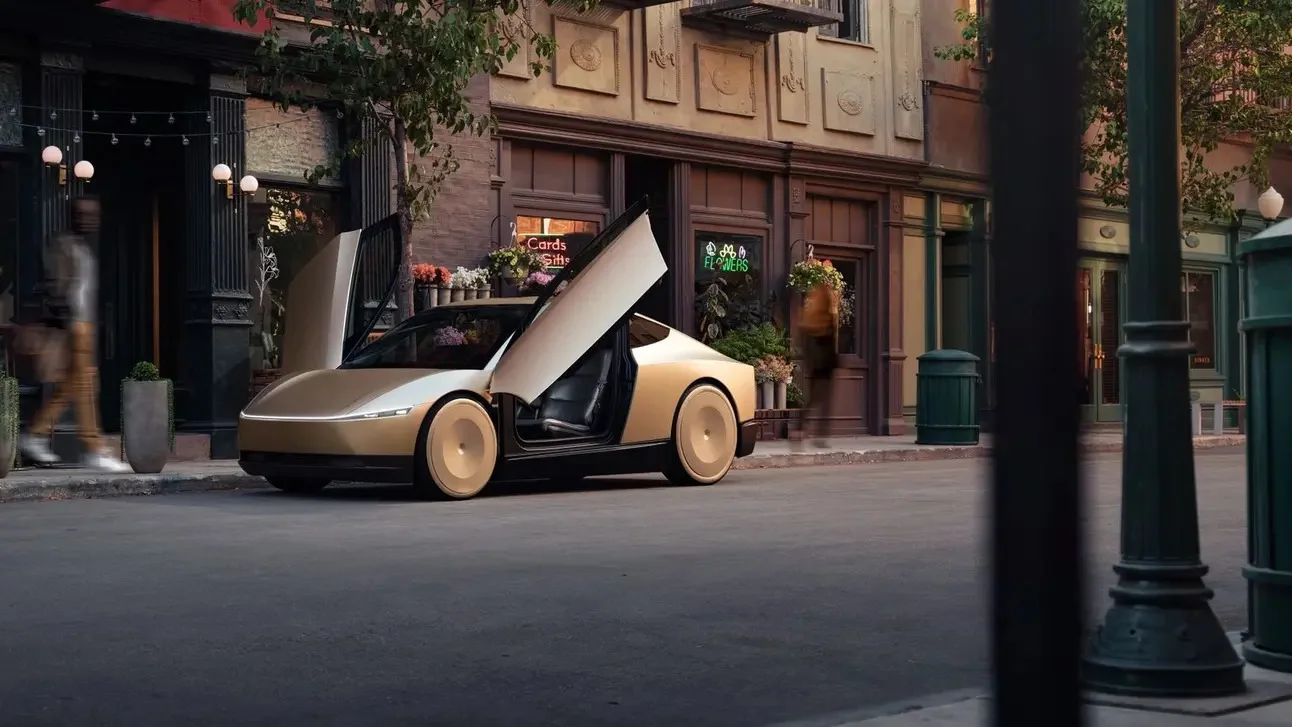
Tesla is now offering paid Cybercab rides in limited parts of Austin. The debut, covered in The Rundown’s Cybercab report, has brought reports of awkward drop-offs and an unexpected virtual joystick as federal regulators audit Tesla’s safety certification.
WIRED reported on September 4 that a state database listed 45 Cybercabs in Tesla’s Texas fleet. That figure does not show how many were available for paid rides at once.
Early rides get awkward
In a September 9 report for The Verge, Mack DeGeurin described waiting about 45 minutes for a $15 trip of less than two miles. The wipers switched on during a sunny, 95°F day. At his Barton Springs drop-off, the car stopped in the road and obstructed traffic.
DeGeurin also reported other riders’ videos of awkward drop-offs, including stops in busy roads. He said nothing seriously wrong happened during his own rides.
The center screen has drawn attention, too. The Verge reported on September 8 that at least two rider videos showed a virtual joystick with forward and reverse labels, plus stop, horn and door buttons. The riders tried to move the vehicle without success. The panel’s intended users and purpose remain unclear.
The passenger controls
Tesla’s Cybercab Rider Guide, published September 4, describes two seats and no steering wheel, accelerator pedal or brake pedal. It also documents an overhead STOP button, requests to pull over through the touchscreen or app, and two-way communication with Robotaxi Support.
Why it matters
In its July 22 update, Tesla said Cybercab was intended to become the main vehicle in its robotaxi fleet. The car is built specifically for autonomous rides. Plans to add vehicles and locations make Austin an early test of whether that design can provide dependable service.
Expansion also requires work in each city. Tesla says preparations for its broader Robotaxi service include testing, permitting and training for first responders. The timing of Cybercab rides in those additional markets remains uncertain.
Removing the steering wheel and pedals changes how passengers respond to a problem. They depend on the stop button, requests to pull over and Robotaxi Support. Riders need to find those options quickly when a vehicle stops in traffic. The response from the car or support team also matters.
The early ride accounts point to useful measures for the rollout. Wait times, successful drop-offs and support response times would help show whether a larger fleet delivers dependable trips. The frequency and causes of the reported problems remain unclear.
The National Highway Traffic Safety Administration opened an Audit Query on September 4 to examine Tesla’s supporting technical data and certification process, including whether it deemed some federal safety requirements inapplicable. Automakers certify that their vehicles meet federal safety standards, and NHTSA oversees compliance.
That review puts the basis for Cybercab’s certification under scrutiny as Tesla seeks a wider rollout. The audit has not established a violation, and its outcome remains unresolved.
Sources & further reading
- 01therundown.ai ↗
- 02Tesla’s Cybercab Officially Launches Today. It’s Already Under Investigation | WIRED ↗
- 03I spent an hour riding inside Tesla’s steering-wheel-free Cybercab | The Verge ↗
- 04Tesla Cybercab doesn’t have any manual controls — but it does have a virtual joystick | The Verge ↗
- 05Rider Guide ↗
- 06ir.tesla.com ↗
- 07NHTSA Investigates Tesla Cybercab Compliance| NHTSA ↗
This story builds on reporting from The Rundown newsletter on September 10, 2026.