FCC clears up to 1 million SpaceX AI satellites amid crowding concerns
The FCC conditionally cleared SpaceX to launch up to 1 million AI satellites, raising concerns about orbital crowding, space debris, and astronomy.
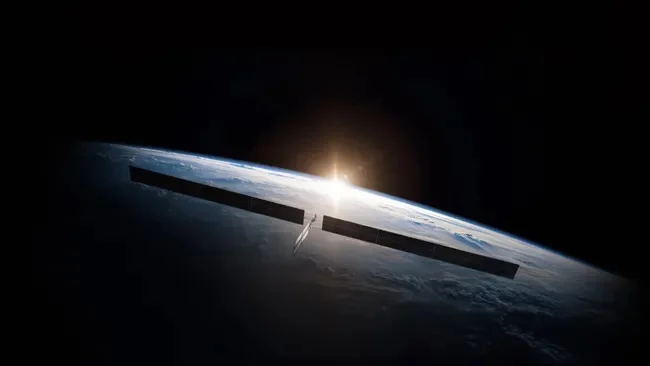
The FCC on November 25 conditionally authorized SpaceX to deploy up to 1 million Starmind satellites as AI data centers in orbit. The approval came despite objections from rivals and astronomers over interference, space debris, and the impact on scientific observations.
SpaceX says satellites powered by the sun could ease AI’s enormous appetite for electricity on Earth, as The Rundown reported. But keeping powerful chips cool, protecting them from radiation, and launching them at scale remain major engineering hurdles.
What the license allows
The American Astronomical Society’s November 25 statement describes deadlines to begin deployment by 2033, reach 100,000 satellites by 2035, and complete the constellation by 2040.
The authorization carries conditions. TechCrunch reported that debris arrangements for satellites above 600 kilometers remained unapproved when the FCC granted the license.
Amazon’s Kuiper Systems, Viasat, and the AAS opposed the application, AP reported. The FCC said Starmind complies with its orbital debris rules and argued that some environmental concerns fall outside its authority.
Why it matters
The scale of the plans is the concern. A March FCC notice describes Starcloud’s request for up to 88,000 satellites. An April notice describes Blue Origin’s request for up to 51,600. Together with SpaceX’s authorized ceiling, those requests total 1,139,600 satellites. That total combines an authorization with applications. How many satellites reach orbit will depend on regulatory decisions and the companies’ ability to build and launch them.
The practical issue is how those fleets would operate alongside one another. Starcloud proposed altitudes of 600 to 850 kilometers, within Blue Origin’s broader range of 500 to 1,800 kilometers. Both filings identify shared radio bands for tracking and control, with Starcloud describing those links as backups. That overlap makes coordination among operators a concrete issue for regulators to examine. The risk of interference or collisions would depend in part on how the systems are built and run.
Astronomers face several kinds of potential disruption. The AAS warns that larger and more numerous satellites could stay conspicuous for longer. It also points to radio emissions and waste heat detectable in infrared as threats to observations. A measure that reduces visible streaks may offer little protection for radio or infrared observations.
The AAS says earlier Starlink design changes reduced astronomy impacts without eliminating them. That suggests mitigation can help, while leaving open how effective similar steps would be at Starmind’s proposed scale.
The FCC’s view that some environmental concerns fall outside its authority raises a question about who can require safeguards. With several companies proposing large fleets, regulators face the task of assessing their combined effects across an environment that operators and astronomers share.
The payoff SpaceX describes is less pressure on electricity supplies on Earth. The tradeoff could be greater pressure on the orbital environment and scientific observations. Disposal plans, demonstrated launch capacity, coordination among operators, and commitments to protect astronomy are the next meaningful checkpoints. Those details will shape how many satellites reach orbit by 2040 and how their effects are managed.
Sources & further reading
- 01therundown.ai ↗
- 02FCC approves SpaceX plan to put AI data centers in space | TechCrunch ↗
- 03AAS Leadership Available to Comment on FCC Approval of SpaceX's Orbital Data Center System | American Astronomical Society ↗
- 04Trump administration approves SpaceX's ambitious satellite data center plan | AP News ↗
- 05SAT-LOA-20260202-00073 S00803 Starcloud, Inc. ↗
- 06SAT-LOA-20260310-00118 S00830 Blue Origin, LLC ↗
This story builds on reporting from The Rundown newsletter on November 27, 2026.