Ant Group leads $100M Simplexity round at $1.6B valuation
Simplexity’s $100 million round led by Ant Group highlights China’s push into humanoids and the potential value of AI expertise from electric cars.
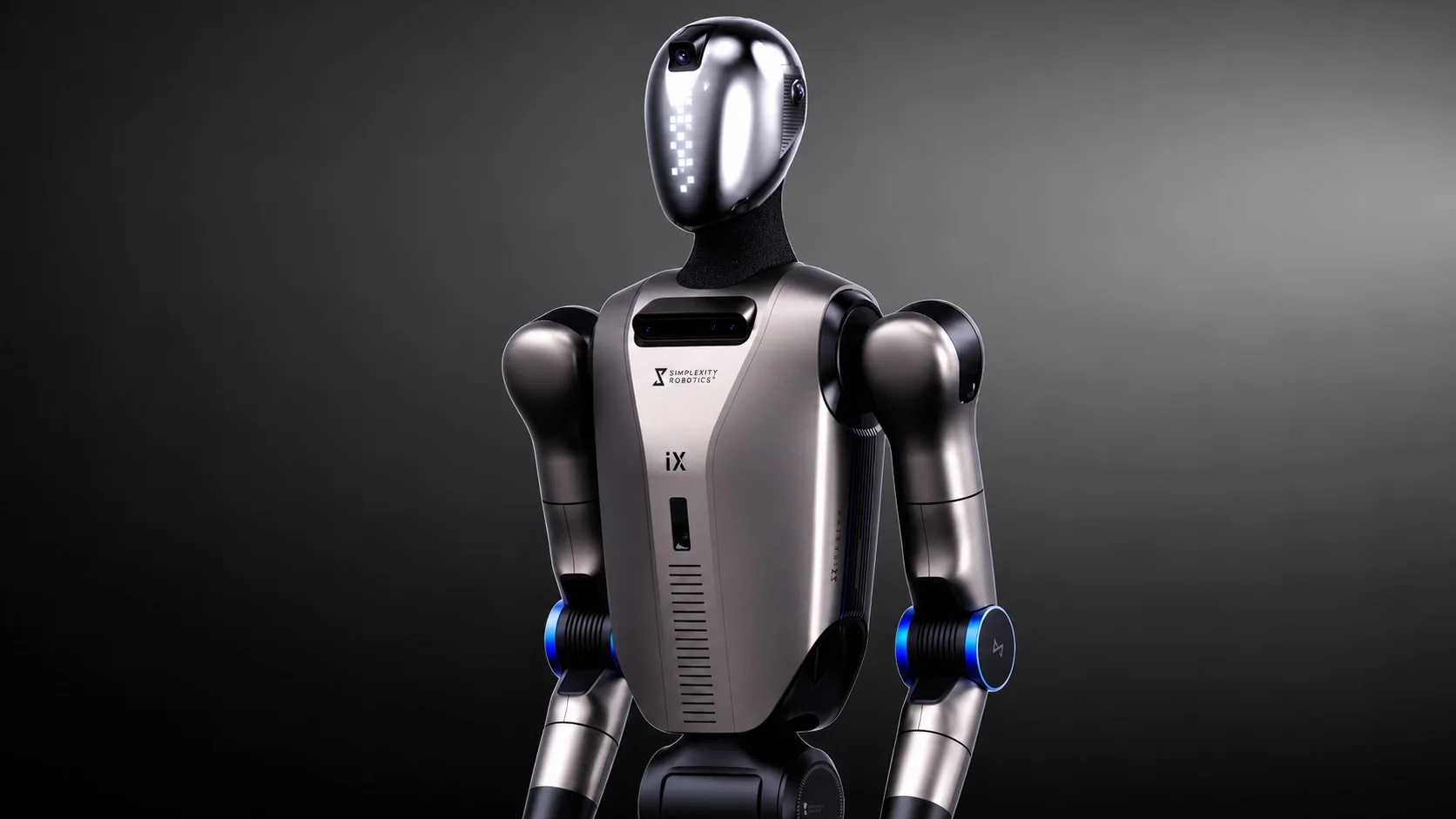
China’s humanoid startup Simplexity Robotics has raised $100 million in a funding round led by Ant Group at a $1.6 billion valuation, Bloomberg reported on November 23, citing chairman Wang Kai.
The pre-Series A, covered in The Rundown, also included returning investors Tencent, HSG and Lanchi Ventures.
Why it matters
The larger opportunity is to bring AI expertise developed for electric cars into humanoid robotics, with China’s technology giants funding the work. Simplexity’s round led by Ant gives that financing story a concrete example. The potential technical advantage depends on which skills and systems a robot maker can adapt.
In its annual report for 2025, Tesla says its robotics program’s success depends in part on applying its experience training neural networks to autonomous robots. It also identifies developing or sourcing components, cost, usefulness and competition as challenges.
For a team with automotive AI experience, the possible gains include familiar methods for training models, interpreting sensor data and developing software alongside physical hardware. Those skills could shorten parts of the development process. How much they help would depend on the robot’s tasks and the changes needed to adapt them. For Simplexity, the extent of that advantage remains an open question.
For Simplexity’s engineers, funding of this scale could allow more work on models, hardware and testing the two together. The practical value would come from finding and fixing failures before customers depend on the machines. The pace of that work and the cost of turning it into useful products will determine how far the funding goes.
For prospective customers, the meaningful next milestone is reliable work at an acceptable operating cost. Buyers would need to see how often a robot completes its task, how frequently people must step in, how long it stays available and what servicing costs. Sustained performance would help them judge whether the machine fits into daily operations.
Frequent help from staff adds labor costs. Breakdowns can add repair bills and interrupt the work around the robot. A buyer would need enough dependable work to justify the machine’s price, maintenance and the time people spend helping it.
Sources & further reading
This story builds on reporting from The Rundown newsletter on November 23, 2026.