Serve Robotics opens its delivery network to outside developers
Serve Robotics opens its delivery network to developers, letting businesses build robot deliveries into their apps while Serve runs the fleet.
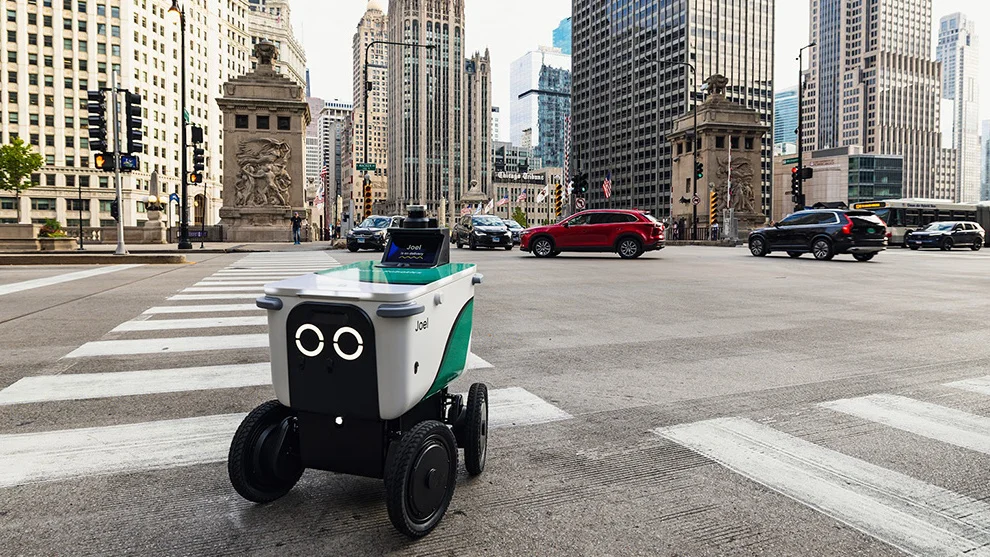
Serve Robotics opened its robot delivery network to outside developers on Nov. 11. Its new AV Delivery Developer Portal gives apps a way to request deliveries and track them through completion. Serve handles dispatch, routing, navigation and remote supervision.
The launch, covered by The Rundown, gives merchants, developers and AI agents a direct way to book robot deliveries. Developers can test with simulated robots in a sandbox. Live access requires Serve's approval. Deliveries stay inside active service zones and operating hours, with limits on cargo.
How the service works
Serve describes a fleet of 2,000 robots and reports hundreds of thousands of deliveries across more than 150 neighborhoods in 20 U.S. cities. Availability for an individual booking depends on the location, timing and capacity.
As of Nov. 17, Serve's developer guide describes a workflow in which an app gets a quote, creates a delivery job and tracks its status. Quotes expire after five minutes and do not reserve capacity. Requests can fail if no courier is available, Serve cannot reach a location or it cannot meet a deadline.
That makes handling failed requests part of building a useful integration. A merchant's app needs a plan for an order that passes through checkout but cannot secure a robot.
Why it matters
The API moves Serve toward supplying the delivery service other businesses build into their products. It gives the company a way to seek orders from more sources as its relationship with Uber changes.
On Aug. 6, Serve said it anticipated that its Uber Eats deal would not renew in early 2027, TechCrunch reported. Uber also disclosed in August that it had sold its entire stake in Serve. Its holdings report, signed Aug. 7, covered investments as of June 30.
Six days before the API launch, Serve introduced Physical AI Services on Nov. 5. That offering gives other robot makers software for connecting robots to external systems, tools for finding useful training examples and a data catalog drawn from sidewalk deployments. Serve named autonomous construction company Bedrock Robotics as a launch customer for those services.
The two launches give Serve different ways to sell what it has built. Robot makers can buy tools and data. A merchant could add delivery to its own ordering software and send jobs directly to Serve's fleet. That could make Serve less dependent on any one source of orders, provided those integrations produce completed deliveries.
Serve also reported in its results for the third quarter that daily delivery volume among new delivery platform partners tripled. That growth came before the API launch. Direct integrations would add another source of jobs alongside those partnerships.
Developers can leave robot operations to Serve, but their apps still need to accept quotes, track status and handle cases when no robot can take the job. An AI agent faces the same service limits as any other application. Access to the interface gives it a way to request a delivery, with fulfillment subject to Serve's approval, coverage and available capacity.
More direct orders could help Serve keep its fleet busy. Whether they do so profitably depends on adoption, the prices merchants pay and the cost of completing each job. The API's production pricing and revenue contribution remain unclear.
Sources & further reading
- 01therundown.ai ↗
- 02Serve Robotics Opens Its Robot Delivery Network for Anyone to Build On — Serve Robotics ↗
- 03Getting Started ↗
- 04Uber surprised robotics company Serve by selling its entire stake | TechCrunch ↗
- 050001552781-26-000415 ↗
- 06investors.serverobotics.com ↗
- 07Serve Robotics Announces Third Quarter 2026 Results ↗
This story builds on reporting from The Rundown newsletter on November 16, 2026.