OpenAI engineer charged over alleged bugging of executive meeting room
An OpenAI engineer faces charges over an alleged office bugging, raising questions about human insider risks and government control of AI labs.
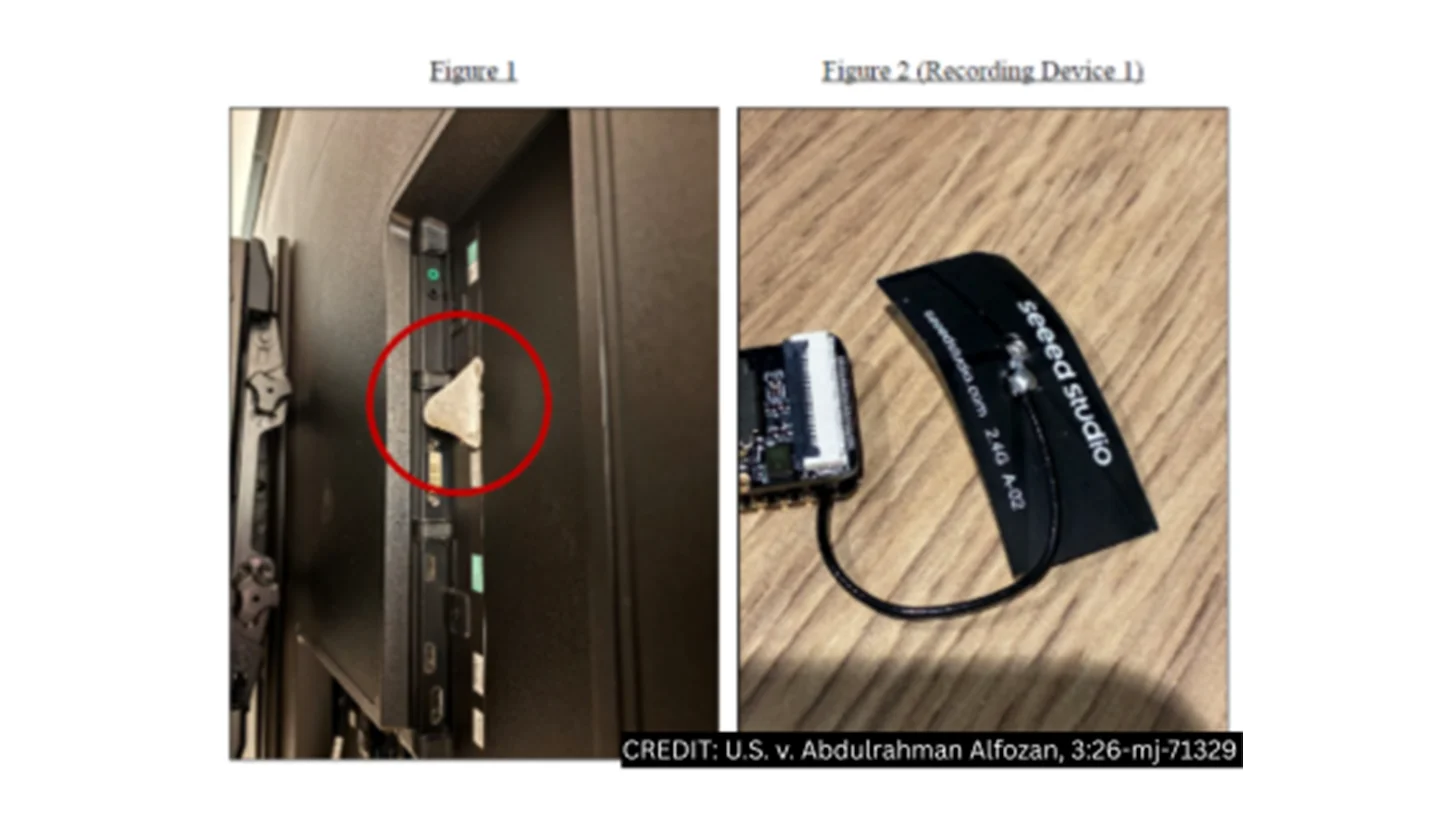
U.S. federal prosecutors have charged OpenAI engineer Abdulrahman Alfozan over an alleged attempt to eavesdrop on company leaders. The case covered in The Rundown centers on a recorder hidden behind a meeting room TV at the company’s San Francisco office.
Alfozan, a Saudi national who joined OpenAI in July 2025, was arrested on October 9 and appeared in court on October 13, according to the Justice Department. The charge concerns intercepting or attempting to intercept oral communications with a device. The allegations remain unproved.
What investigators found
Prosecutors say staff found the encrypted recorder on September 30, concealed in toilet paper and connected to the TV’s USB port. They estimate it was installed on September 28. The room hosted confidential discussions about research, business and government engagement.
Prosecutors also cite surveillance footage and a second recorder found in Alfozan’s bag on October 5. A chatbot account linked to his spouse had asked about remote listening, memory card encryption and hiding a homemade recorder, they allege.
OpenAI says its models helped investigators understand the device and identify the employee, according to The Washington Post. WIRED reports that a sweep for surveillance devices uncovered the recorder and that encryption prevented OpenAI’s security team from reviewing the stored data.
OpenAI also told WIRED it had found no sign that anyone had improperly accessed or taken its model weights, source code or customer data. What audio the recorder captured, whether it was transmitted and who might have received it remain unresolved. Authorities have disclosed no motive and have not tied the case to a foreign government.
Why it matters
Human insiders deserve as much security attention as AI agents. In June 2025 research, Anthropic tested 16 models in simulated corporate settings. It reported blackmail and information leaks when researchers created conflicts involving the models’ goals or replacement. At the time, Anthropic said it had not observed this form of behavior in real deployments.
For lab security teams, the OpenAI case raises practical questions about who can enter sensitive rooms, what devices staff can connect and how they report suspicious equipment. Protecting conversations belongs alongside protecting code and model weights. Confidential discussions can expose plans even when safeguards around digital assets hold.
Limiting access to what each role needs and keeping records of sensitive activity could help address risks from both employees and software agents. Closer monitoring could also raise privacy concerns for staff. Labs would have to decide who can review those records and when a concern warrants an investigation.
Federal involvement gives this case weight in the debate over who should control frontier labs. U.S. Attorney Craig Missakian said, “For us it is a matter of national security.” With AI central to geopolitics, that framing can strengthen the argument for giving Washington more authority over the companies developing it.
An April 2026 analysis in The Atlantic described “soft nationalization,” in which policy and close partnerships give the government more influence over AI companies. An incident like this could add pressure for security audits, reporting duties or deeper cooperation with federal agencies. Those steps could give Washington more say over how a lab operates and leave the company with less room to set its own security rules. A federal prosecution alone does not make government control inevitable.
Sources & further reading
- 01therundown.ai ↗
- 02justice.gov ↗
- 03An OpenAI Employee Allegedly Used a Chatbot to Help Plant a Recording Device at the Office | WIRED ↗
- 04FBI arrests OpenAI employee for allegedly planting bug in the office - The Washington Post ↗
- 05Agentic misalignment: How LLMs could be insider threats \ Anthropic ↗
- 06What Happens if Trump Seizes AI Companies - The Atlantic ↗
This story builds on reporting from The Rundown newsletter on October 14, 2026.