OpenAI launches dots, bringing GPT-6 Astra to 24/7 agents
OpenAI’s dots bring GPT-6 Astra to agents that work around the clock. Their promise rests on handling ongoing work with less effort from the user.
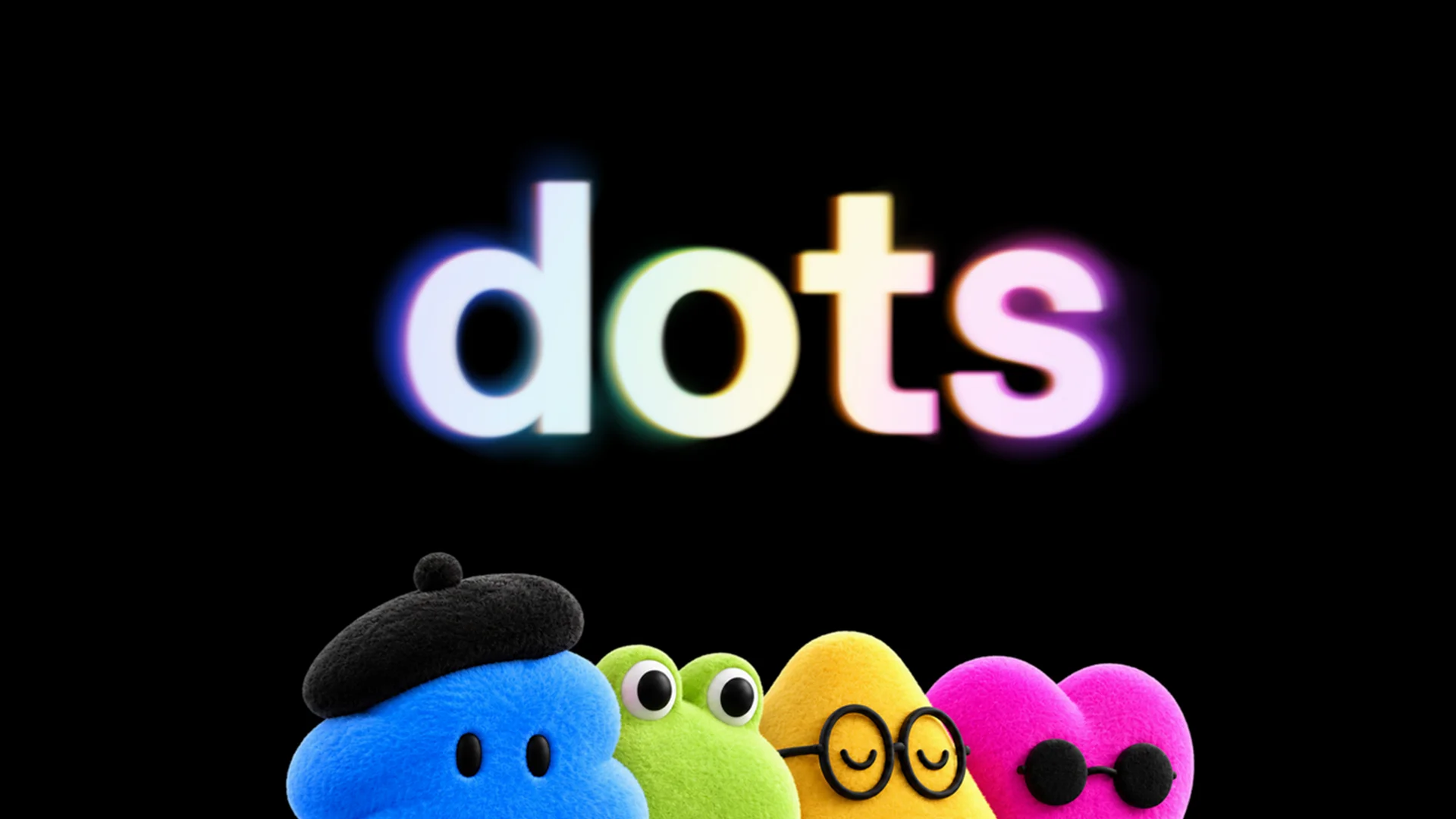
OpenAI introduced dots on September 29, bringing agents that work 24/7 on their own cloud computers to ChatGPT. The launch led a slate of more than 20 DevDay announcements covered in The Rundown’s DevDay report.
Dots run on GPT-6 Astra, connect through plugins to more than 4,000 apps, and reply in ChatGPT, Slack or Teams. OpenAI says they can keep working toward a goal continuously.
What access includes
The first dot is included with Pro and Business Premium plans. Enterprise, Edu and Healthcare administrators can enable the beta, which is off by default in those workspaces. OpenAI plans to expand access later.
Dot conversations do not count against normal ChatGPT usage, but tasks started or managed in Codex or ChatGPT Work count against those products’ allowances. OpenAI also sets an allowance for deeper work, temporarily expanded during the launch month.
The broader DevDay launch also brings ChatGPT Space and Pages, giving teammates and their dots a shared hub and documents they can edit together. @ChatGPT can now answer inside Slack and Teams threads.
GPT-6.1 Sol costs $2 per million input tokens and $10 per million output tokens, a fifth of Astra’s standard prices. OpenAI says Sol approaches Astra on several benchmarks. Sol Ultrafast is coming soon, and the Decisions API, which has GPT-6 Luna choose from preset answers, is in limited preview.
Why it matters
Dots don’t feel as memeable as Muse, and the basic design looks familiar. Grok Bot’s August announcement already described agents with cloud computers, remembered conversations and the ability to work across apps. Meta’s Muse, launched September 8, has a dedicated virtual computer and browser and keeps working after its app closes.
The strongest part of OpenAI’s pitch is Astra. Putting a frontier model behind an agent could matter more as assignments grow longer and require more judgment. Better reasoning could mean fewer corrections and less repeated instruction. Meta also powers Muse with its own Muse Spark model, and comparative performance on ongoing work remains an open question.
The format is already drawing consumer interest. Sensor Tower estimated more than 3.4 million Muse downloads through September 24, TechCrunch reported. That shows an appetite to try persistent agents. The download figures leave open how often people return, what they will pay and how much work the agents complete reliably.
For eligible ChatGPT subscribers, the practical appeal is less repeated coordination. A user could give a dot an ongoing assignment, step away and return to review its progress. Space, Pages and replies in workplace chats could make that work easier for teammates to share and check. Including the first dot may make it easier to try, though work allowances will shape how much subscribers can hand over.
Model quality becomes more important when an assistant takes on that responsibility. A dot has to remember the goal, handle new requests and keep track of what it has permission to do. Mistakes in any of those steps could leave the user spending more time supervising an assignment than expected.
OpenAI’s own controlled testing shows the challenge. Flags for moderate scope violations rose from 8.6% to 19.7% when intervening tasks increased from five to ten. The company observed no severe breach or data exfiltration in that test, though it acknowledges remaining vulnerabilities. How reliably Astra handles those demands will shape how much responsibility users feel comfortable handing over.
Sources & further reading
- 01therundown.ai ↗
- 02Introducing dots | OpenAI ↗
- 03openai.com ↗
- 04Introducing Grok Bot | SpaceXAI ↗
- 05Introducing Muse: The World’s First Personal AI Agent Built for Everyone ↗
- 06Meta is putting its muscle behind Muse as the AI app takes off | TechCrunch ↗
- 07GPT-6 Astra System Card - OpenAI Deployment Safety Hub ↗
This story builds on reporting from The Rundown newsletter on September 30, 2026.