Altman says OpenAI will build humanoids, opening a path beyond software
Sam Altman says OpenAI will build humanoid robots. Its hardware ambitions could bring more control over training data—and new demands beyond model quality.
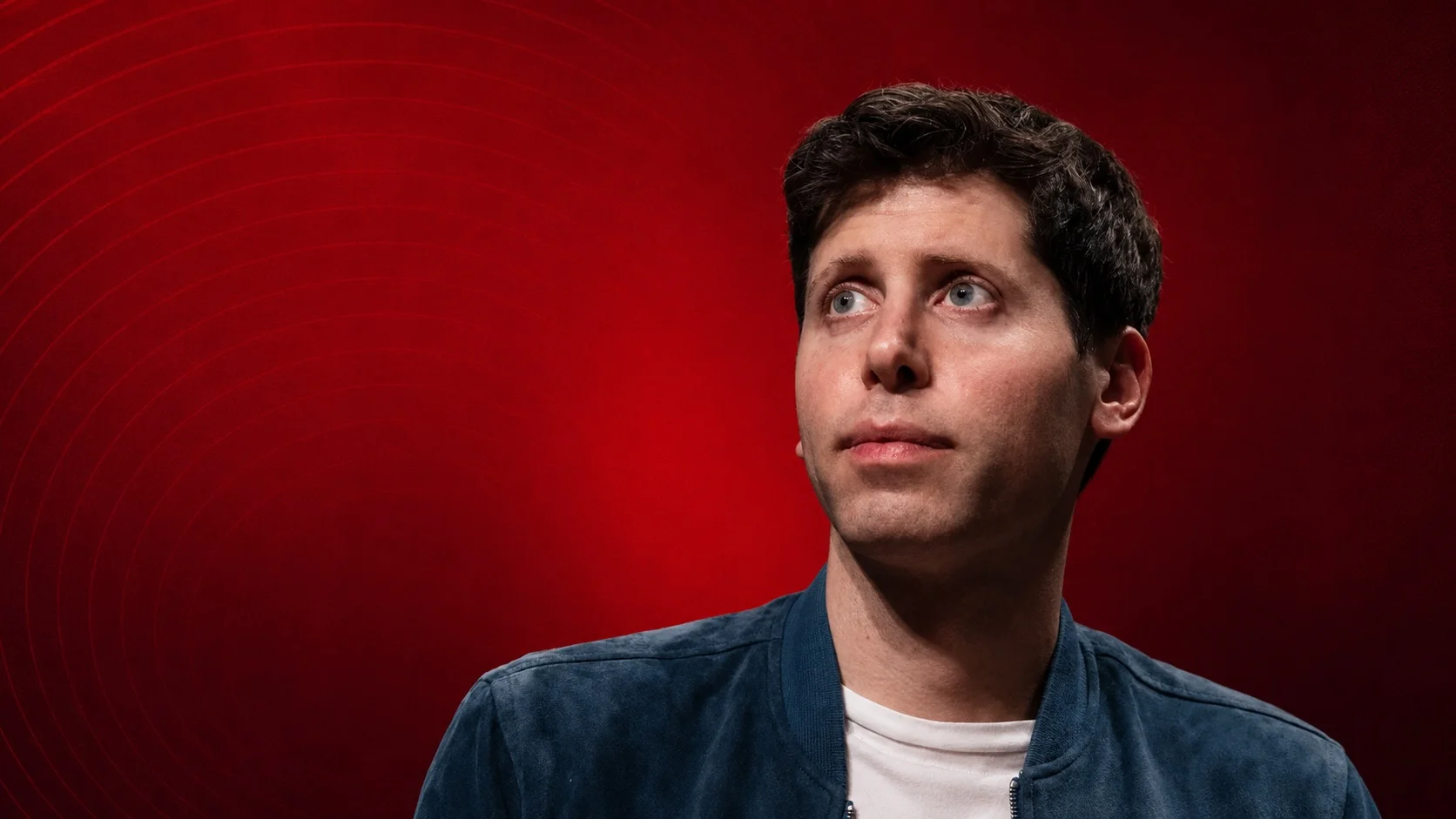
OpenAI CEO Sam Altman has made the company’s humanoid ambitions explicit. In an August 26 TIME interview, Alex Heath reported that OpenAI would “definitely” make humanoid robots. Altman also expressed the belief that everyone should eventually have a personal robot.
The commitment, covered in The Rundown’s September 3 newsletter, signals a broader ambition to build physical systems around OpenAI’s intelligence. It remains a statement of intent: the interview establishes neither a release date nor a shipping product.
Building those systems could give OpenAI greater control over how its models act in the world and how it gathers robot training data. It would also bring responsibility for the machinery that turns a model’s decisions into movement.
What OpenAI is assembling
An OpenAI robotics operations job posting, visible as of September 6, describes an effort integrating hardware and software across multiple robot forms. The role covers data collection facilities, operators, rigs, equipment readiness, throughput, downtime, and data quality.
Those responsibilities provide concrete evidence of work on the operational side of robotics. They do not establish the program’s size, its output, or improvements to any model. The posting is undated, so it also cannot establish which details were public when the September 3 newsletter appeared.
The emphasis on collection facilities matters. Training robots requires a way to gather useful examples of physical behavior, maintain the equipment, and assess the resulting data. OpenAI is advertising for someone to manage that process alongside the integration of intelligence and machines.
Why it matters
Robot intelligence remains central to the strategy. Building the body could give OpenAI more control over how that intelligence is developed and deployed. Sensing, models, and movement would become parts of a system the company could refine together, with engineering responsibilities extending into mechanical reliability and physical control.
Figure’s February 2025 Helix announcement illustrates why those connections matter. Figure described an architecture that separates slower visual and language processing from faster motor control. The company also reported approximately 500 hours of teleoperated training behaviors. These are Figure’s technical disclosures, rather than independently reproduced results, but they show how robot learning connects to examples of physical action.
For OpenAI, owning a robot platform could support a similar collection cycle: gather observations and actions suited to a training goal, revise a model, and test it on the same hardware. That would give the company more control over what it collects and how it evaluates progress. Whether this produces better robot performance—or benefits its broader models—remains uncertain. The hiring description does not establish a deployed fleet generating valuable proprietary data.
The September 3 newsletter described infrastructure work as the proposed starting point, with personal robots perhaps following later. That sequence remains unconfirmed as a product roadmap. If OpenAI begins with infrastructure tasks, prospective operators would need concrete measures of success: which jobs a machine completes, how often a person intervenes, and how much useful work it delivers between interruptions. The operational priorities in OpenAI’s posting—readiness, downtime, throughput, and quality—offer relevant measures, although the role itself concerns data collection.
Personal robots would extend that ambition into homes. Altman’s aspiration leaves major questions about capabilities, safety validation, manufacturing, and timing unresolved. A commitment to make humanoids gives potential customers little basis yet for deciding when a machine could handle their particular tasks reliably.
A complete OpenAI humanoid would also bring it into more direct competition with Figure and Tesla. Figure already describes an integrated learning and control approach. Tesla’s current Optimus page, observed September 6, describes a general-purpose autonomous humanoid and identifies balance, navigation, perception, physical interaction, controls, and mechanical engineering as necessary work. That establishes overlapping ambitions without establishing comparable readiness.
OpenAI’s eventual robot announcements will therefore need evidence of reliable physical execution alongside model capability. Task completion, human intervention, equipment reliability, and the usefulness of collected data would help show whether owning the hardware delivers the control and learning benefits the strategy could offer.
Sources & further reading
This story builds on reporting from The Rundown newsletter on September 3, 2026.