Jensen Huang's return likely eases robotics funding fears
Jensen Huang is back as Nvidia CEO, likely easing fears of a robotics funding pullback as the company continues its investigation and adds oversight.
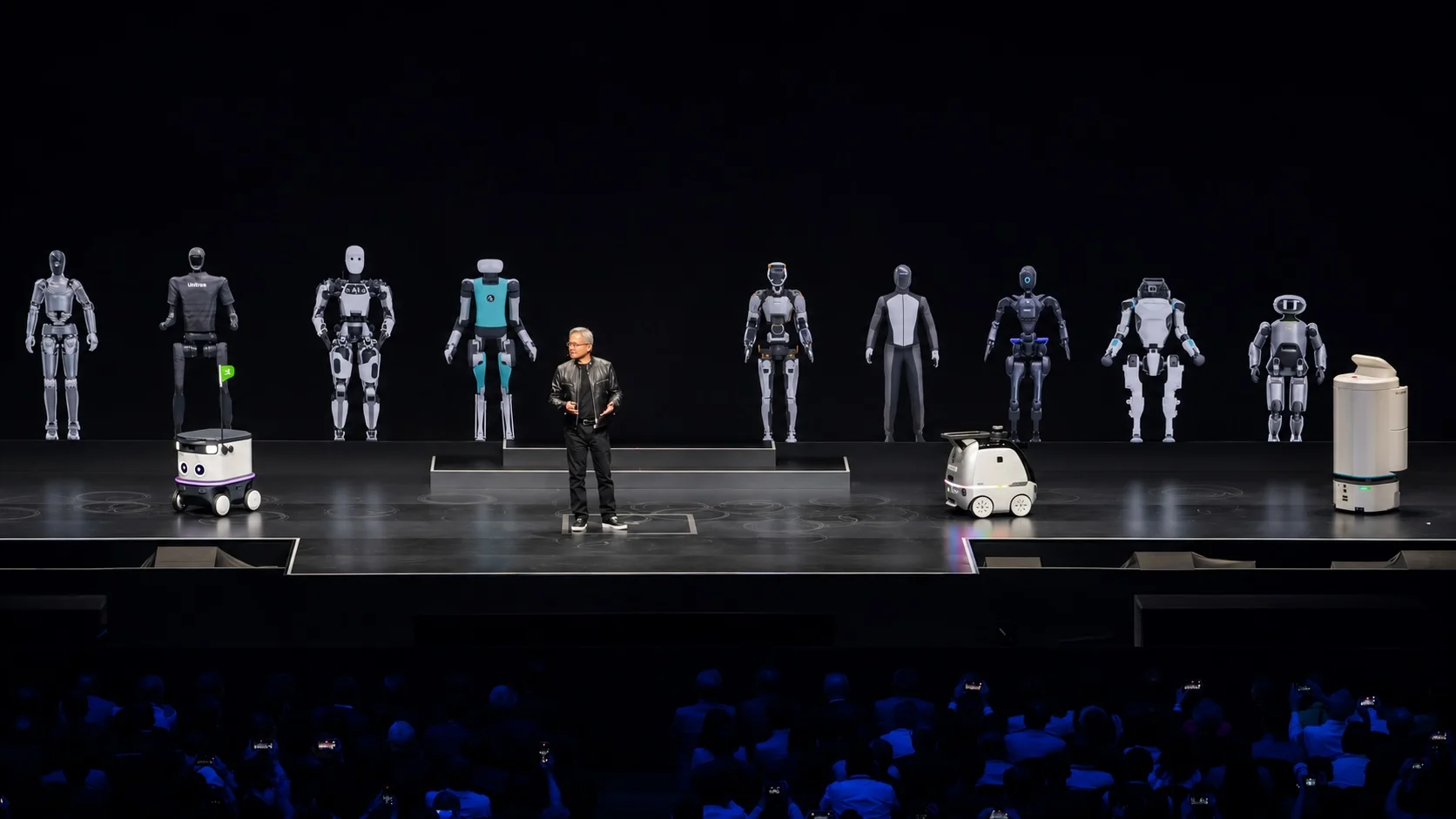
Nvidia announced Jensen Huang’s return as president, CEO and a director on November 23 after a unanimous board vote. A company filing says the reinstatement took effect on November 22.
The reversal follows a brief absence that raised concerns about Nvidia’s robotics investments, as The Rundown reported. His return likely eases fears that the company could pull back on the aggressive dealmaking that has helped fuel the sector’s boom.
Nvidia said input from senior U.S. government officials informed the board’s confidence that reinstating Huang posed no national security risk. The company also said its independent investigation would continue.
Nvidia’s robotics ties
Nvidia has backed more than 35 robotics and physical AI startups, including humanoid developers Figure and Neura, according to Business Insider’s reporting on PitchBook data.
BI reported that Nvidia and its venture arm, NVentures, called at least three portfolio startups after Huang’s exit to promise business as usual. Nvidia declined to comment on the calls. Robotics vice president Deepu Talla said investment in the ecosystem would continue.
The report also said Colette Kress, who served as interim CEO, had opposed some of Huang’s earlier deals. That adds context to concerns about a possible shift, though Nvidia’s promises of continued support came before Huang returned.
Why it matters
For founders seeking funding, Huang’s return offers a reason to expect continuity from an unusually active backer. The calls to portfolio companies suggest Nvidia saw a need to reassure them during his absence. Bringing back a leader associated with its robotics deals likely reduces uncertainty about its appetite for further investment.
His involvement has at times been personal. Huang helped arrange financing for Serve Robotics in 2023, according to Kashani’s account reported by Hindustan Times. Kashani said Serve lacked cash for payroll while he was consulting bankruptcy lawyers. That account helps explain why founders might value having an engaged backer when money runs short.
Startups still need firm commitments before planning around Nvidia’s money. A future funding round depends on agreed amounts, terms and timing. Huang’s return may give founders more confidence about approaching the company, while each investment requires its own approval.
Nvidia’s role also extends to the tools developers build with. The company introduced the Isaac robot simulator in May 2017, describing a way to train robots in simulated environments before deployment in the real world. Huang presented it alongside robot reference designs built around Jetson. For teams building with Nvidia’s tools and hardware, the stakes include product support and engineering priorities as well as access to capital.
New oversight adds another question. Nvidia’s reinstatement announcement describes a committee focused on national security and export controls and a search for a chief compliance officer. How those measures affect investment approvals is uncertain. For startups seeking capital, the practical questions are how quickly Nvidia approves new robotics deals and what terms it offers.
Sources & further reading
- 01therundown.ai ↗
- 02nvidianews.nvidia.com ↗
- 03nvda-20261122 ↗
- 04NVIDIA Board Reinstates Jensen Huang as President, CEO and Board Director | NVIDIA Newsroom ↗
- 05businessinsider.com ↗
- 06Flowers at Nvidia HQ, weeping woman, tech world stories follow Jensen Huang’s exit amid affairs row | Trending ↗
- 07NVIDIA Ushers in New Era of Robotics, with Breakthroughs Making It Easier to Build and Train Intelligent Machines | NVIDIA Newsroom ↗
This story builds on reporting from The Rundown newsletter on November 23, 2026.