Nick Bostrom says superintelligence could extend human life to 1,400 years
Nick Bostrom says safe superintelligence could help humans live 1,200 to 1,400 years. His model assumes aging ends and cannot settle AI policy.
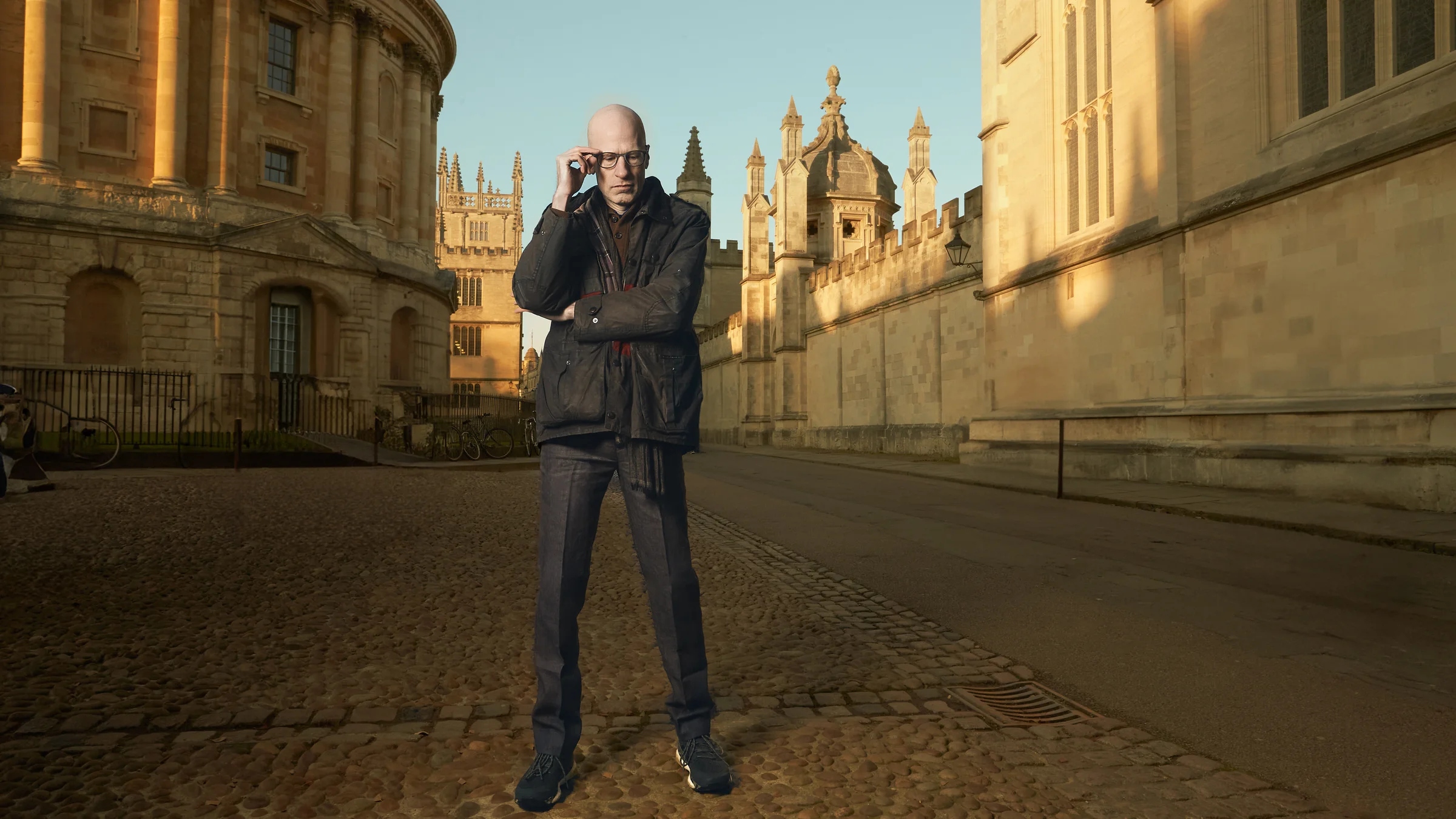
Nick Bostrom says safely built superintelligence could push human life expectancy to 1,200 to 1,400 years if aging were eliminated. The Swedish philosopher and former Oxford professor made the claim on The a16z Show, as The Rundown reported on November 20.
Speaking with Eddy Lazzarin and Elena Burger on the November 19 episode, Bostrom argued that AI could speed up biomedical breakthroughs. He called the lifespan range conservative because other causes of death, such as accidents, could also decline, Business Insider reported.
What the estimate assumes
In his 2026 working paper, Optimal Timing for Superintelligence, Bostrom assumes mortality could stay near the level of a healthy young adult. His illustrative calculation divides one by an assumed annual death risk of 0.0007, or 0.07%, to produce about 1,429 years.
The result depends on that low risk persisting for centuries. Whether medicine could achieve that pattern in humans, and how AI might help deliver it, remain open questions.
Why it matters
WHO estimates global life expectancy at 73.3 years in 2023. The longest verified human lifespan belongs to Jeanne Calment, who lived 122 years and 164 days. Even the low end of Bostrom’s range is about 9.8 times her record.
Those figures measure different things. WHO describes life expectancy across a population, Calment’s record documents one person’s lifespan, and Bostrom’s estimate models a hypothetical future. The estimate’s plausibility rests on whether medicine could end aging and sustain such a low risk of death.
A 2024 study in Nature Aging examined mortality from 1990 to 2019 in ten populations and found that improvements in life expectancy were slowing. Its authors made substantial future extension conditional on markedly slowing biological aging. Their historical findings leave the outcome of Bostrom’s hypothetical scenario unresolved.
WHO also puts healthy life expectancy at 62.8 years in 2023. For people who might receive future treatments, the practical test would include health and function as well as years alive. Whether an intervention could preserve those healthy years, what risks it might carry, and who could receive it remain unresolved.
The timing question carries a similar uncertainty. On the a16z episode, Bostrom argued that slowing AI development could give researchers time to prevent catastrophic failures, while delaying beneficial AI could postpone lifesaving medicine. Developers and policymakers would have to judge which medical gains could plausibly arrive sooner and what extra safety work a delay could accomplish.
His working paper distinguishes developing capabilities from deploying them, and some scenarios favor short pauses. The analysis centers people alive today, which limits what it can say about the interests of future generations. Bostrom cautions that the simplified model cannot determine how quickly AI should be developed or when it should be deployed.
Sources & further reading
- 01therundown.ai ↗
- 02How Fast Should We Build Super…–The a16z Show – Apple Podcasts ↗
- 03A Former Oxford Researcher Says AI Could Help Us Live 1,400 Years - Business Insider ↗
- 04nickbostrom.com ↗
- 05New WHO estimates show changing global health landscape ↗
- 06Oldest person ever: 122-year-old Jeanne Calment’s extraordinary life | Guinness World Records ↗
- 07Implausibility of radical life extension in humans in the twenty-first century ↗
This story builds on reporting from The Rundown newsletter on November 20, 2026.