NHTSA’s headlight review could bring adaptive beams to more U.S. roads
NHTSA is reviewing U.S. lighting rules to address glare. The effort could expand access to adaptive headlights, but a final rule has no set date.
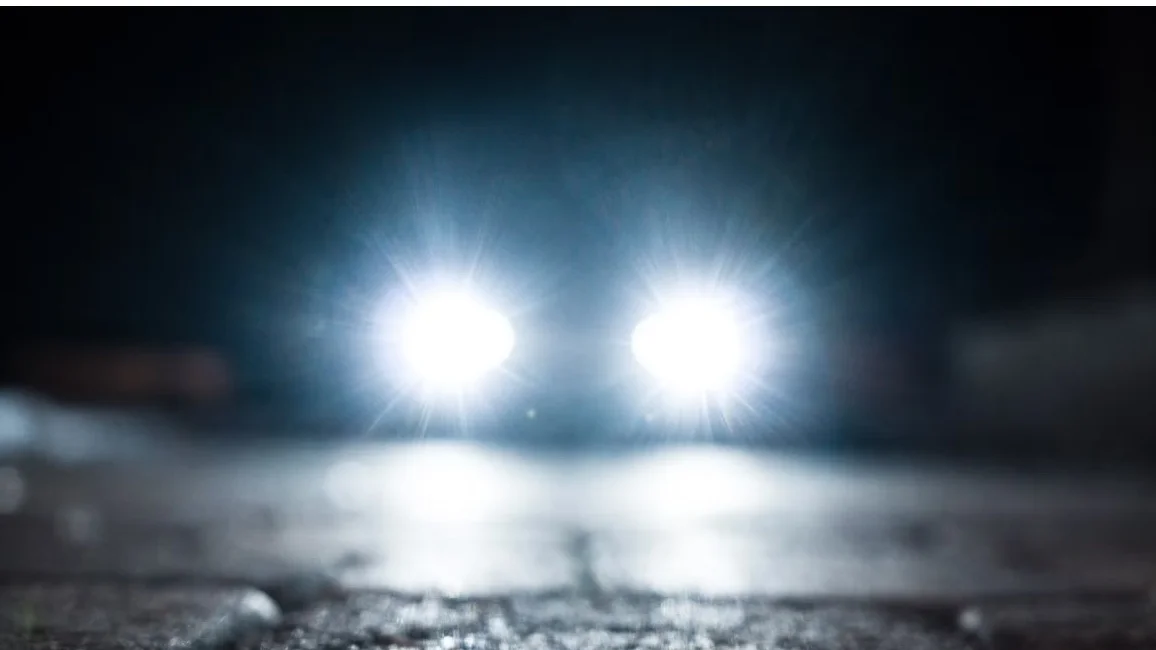
The National Highway Traffic Safety Administration announced plans on October 6 to update U.S. vehicle lighting rules and address headlight glare. The review covers headlight height and aim, LEDs and automatic high beams.
The effort, covered in The Rundown’s October 9 issue, could make adaptive headlights more widely available in the U.S. These systems reshape their beams around other cars while keeping the rest of the road lit.
NHTSA also plans to examine dusk sensors and lens testing, along with closer alignment with international standards. An October 8 notice begins the process of forming an advisory committee to recommend changes.
How adaptive headlights work
Adaptive driving beams continuously reshape the high beams to cast shadows around other vehicles, according to the Insurance Institute for Highway Safety. Ordinary automatic high beams switch between high and low settings.
Matrix systems pair sensors, software and individually controlled LEDs to adjust the light around detected traffic. Rivian says it developed its system internally around that approach.
The U.S. authorized compliant adaptive driving beams in 2022. In its July 2026 overview, IIHS reported that only a few manufacturers offered them in the U.S. The group also reported more than a decade of availability in Europe.
Why it matters
Federal minimum and maximum headlight brightness standards date to 1997, according to IIHS. For drivers, wider access to adaptive beams could mean keeping more of the road visible while reducing the light aimed at oncoming traffic.
IIHS also links slower adoption to differences between U.S. and European standards. It says U.S. limits on how adaptive beams work may reduce their effectiveness. Closer alignment could reduce the extra engineering work manufacturers face when adapting designs for the U.S. market. Whether that would cut consumer prices or speed availability remains uncertain.
In its 2022 rule, NHTSA said it considered Europe’s road test assessment insufficiently objective for a U.S. federal standard. The challenge is to make existing designs easier to bring to the U.S. while giving regulators an objective way to check performance.
Headlight height and aim are also under review, so the outcome could affect conventional lamps as well as adaptive systems. The committee notice includes international alignment without committing to a specific change to adaptive beam requirements.
The size of any safety gain remains uncertain. An IIHS review found no sustained increase in glare cited in nighttime crashes across 11 states from 2015 through 2023. Those police records cannot measure every glare encounter or the discomfort it causes.
The next deadline is November 9, 2026, for comments on the proposed committee’s scope and representation, as well as nominations. Membership applications are due by 5 p.m. Eastern. The proposed charter would run for two years and could be renewed. A proposed rule and public comment would follow the committee’s recommendations. The notice sets no date for a final rule.
Sources & further reading
This story builds on reporting from The Rundown newsletter on October 9, 2026.