Neuralink says FDA approved its LINK brain implant trial for ALS
Neuralink says the FDA approved its LINK brain implant trial for ALS. The study aims to test digital control, safety and lasting independence.
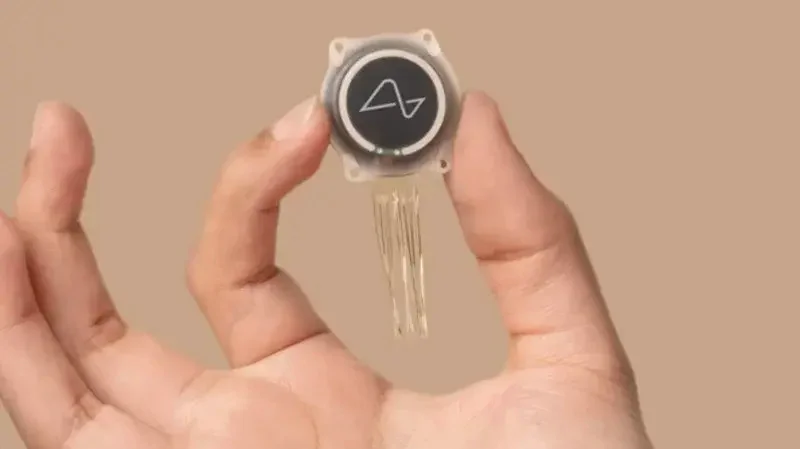
Neuralink said on November 25 that it had received FDA approval to launch LINK, a pivotal trial of its N1 brain implant for adults with severe paralysis caused by ALS.
The trial marks a major step toward potential commercial clearance, as The Rundown reported on November 27. Enrollment is open, but N1 is investigational and has no authorization for general medical use.
What LINK will test
LINK will assess N1 across multiple sites, testing whether it can safely and reliably turn brain signals into digital commands. The goal is greater independence through control of digital devices, including a way to communicate through a computer.
Neuralink says more than 30 people have received implants in earlier studies in the US, Canada and UK. Those participants collectively logged thousands of hours controlling computers, playing games and communicating.
Why it matters
For people losing movement or speech, the promise is agency. Being able to communicate, study or complete a task when they choose could give them more control over daily life.
In a May 2024 update, Neuralink described participant Noland Arbaugh operating his laptop while lying down. His previous stylus, held in his mouth, required a caregiver to place it. In January 2026, the company said he had returned to college to study neuroscience after regaining independent computer access.
These are selected experiences published by Neuralink. How broadly those benefits extend still needs testing. Practical progress would mean participants can start and finish meaningful tasks with less help, and retain access outside research sessions.
Durability is central to that promise. In its May 2024 report, Neuralink also said threads had retracted after Arbaugh’s implantation, reducing the number of effective electrodes and hurting cursor performance. The company said software and interface changes later raised performance above its initial level. Both the setback and the reported recovery matter when judging whether the system can stay useful as problems arise.
On November 12, WIRED reported that rival Synchron had paused enrollment in trials of its second generation implant. Synchron attributed the pause to an underperforming cable that carries signals. It said it had found no related safety issues and described the decision as voluntary.
Independence also depends on how much help the system requires. As of November 29, Neuralink’s general trial guidance describes follow-up and possible recurring calibration. That makes the time and assistance needed to maintain useful control part of the practical value participants will have to weigh.
The company’s thousands of pooled usage hours do not establish years of reliable performance for each recipient. Assessing lasting benefit will require evidence of how long each person retains useful control, how well adjustments address setbacks and whether the implant stays safe over years.
Sources & further reading
- 01therundown.ai ↗
- 02Neuralink Receives FDA Approval to Launch LINK Pivotal Study | Updates | Neuralink ↗
- 03PRIME Study Progress Update — User Experience | Updates | Neuralink ↗
- 04Two Years of Telepathy | Updates | Neuralink ↗
- 05Synchron Pauses Trials of Its Brain Implant Due to Performance Issues | WIRED ↗
- 06Telepathy | Neuralink ↗
This story builds on reporting from The Rundown newsletter on November 27, 2026.