Minerva unveils Roger, a humanoid built for remote bomb disposal
Minerva’s Roger humanoid aims to keep bomb technicians at a safe distance, with VR control for delicate tasks and AI handling movement and balance.
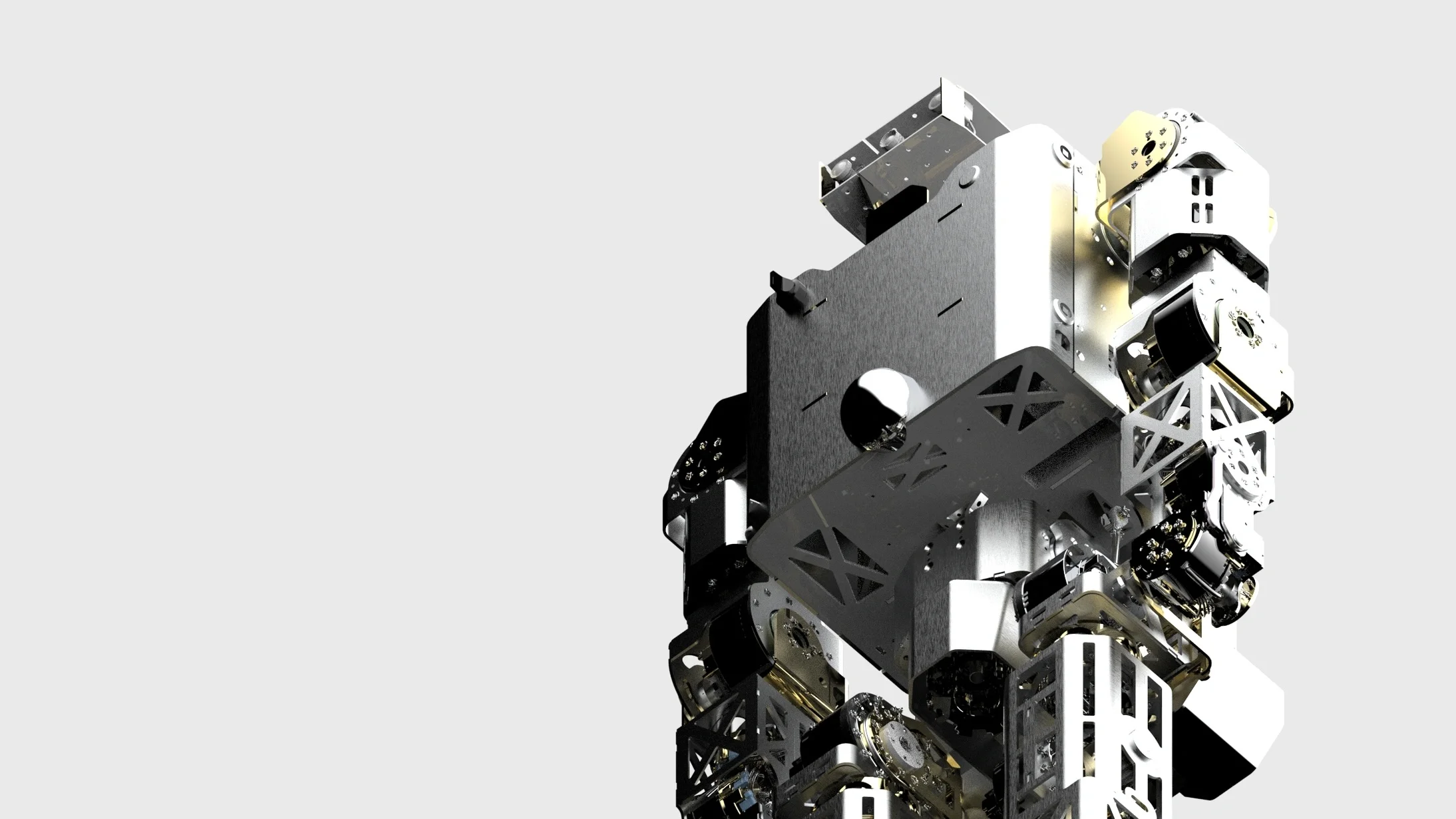
Minerva Humanoids emerged from stealth on October 6 with Roger, a humanoid designed for bomb disposal, hazardous materials work and offshore rigs. The San Francisco startup announced about $10 million in funding led by General Catalyst.
In the setup covered by The Rundown on October 8, a specialist wears a VR headset, sees through Roger’s eyes and controls fine hand movements. Minerva says its AI handles balance, navigation and recovery after a fall.
From prototype to paid pilots
According to Minerva’s launch announcement, Roger went from an idea to a walking prototype in five months. Most software development takes place in the U.S., with prototypes built in Germany.
CEO Sandor Felber worked on Tesla’s Optimus and humanoid research at MIT, while CTO Maurice Rahme spent six years at Boston Dynamics, including technical leadership on Stretch, according to the company.
Minerva announced its first paid pilots in energy and explosive ordnance disposal, or EOD, for fall 2026. Their start remains unconfirmed as of October 12.
Why it matters
Many bomb disposal robots are tracked vehicles with one manipulator arm. In an interview published by investor General Catalyst, Minerva argues that tasks requiring dexterity with both hands can still force a technician in a bomb suit to approach a device. Minerva wants Roger to let specialists do that work from a safe distance.
The proposed workflow depends on a trained specialist’s judgment. The technician would direct the fine work while AI manages movement and balance. For EOD teams, an important test will be whether operators can see the task clearly and guide precise movements without having to move closer.
Tracked robots already offer mobility and operator feedback for hazardous work. L3Harris’s September 2025 T7 datasheet documents a configuration with one manipulator and lists bomb disposal and hazardous materials applications, feedback through touch and stair climbing.
HDT reported in February 2025 that it had demonstrated two Adroit arms on a T7 at a U.K. Ministry of Defence training facility. The company described touch feedback and delicate handling of hazardous materials.
Roger’s walking body adds another question for the pilots. Trials should test whether its full design improves access, working positions or task completion compared with existing equipment, and whether any gain reduces the need for a technician to approach.
Minerva’s public safety page describes a VR headset and haptic gloves, which provide feedback through touch. Teams considering Roger would need to assess the quality of that feedback and the reliability of the connection. They also need to know how Roger responds if visibility or connectivity deteriorates, and whether they can recover a disabled robot remotely. A recovery that requires a person to approach the device could bring back the exposure Roger is meant to reduce.
Pilot results should report task completion rates, manual interventions and recovery requirements. For a bomb squad, the useful measure would be how often Roger lets a technician finish the work without entering the hazardous area. That would directly test the safety benefit Minerva is seeking.
Sources & further reading
This story builds on reporting from The Rundown newsletter on October 8, 2026.