Meta puts Muse at the center of Connect with Charm and AI glasses
Meta unveiled Charm and plans for Muse on AI glasses at Connect 2026. Its viral agent gives the company a stronger case for everyday AI hardware.
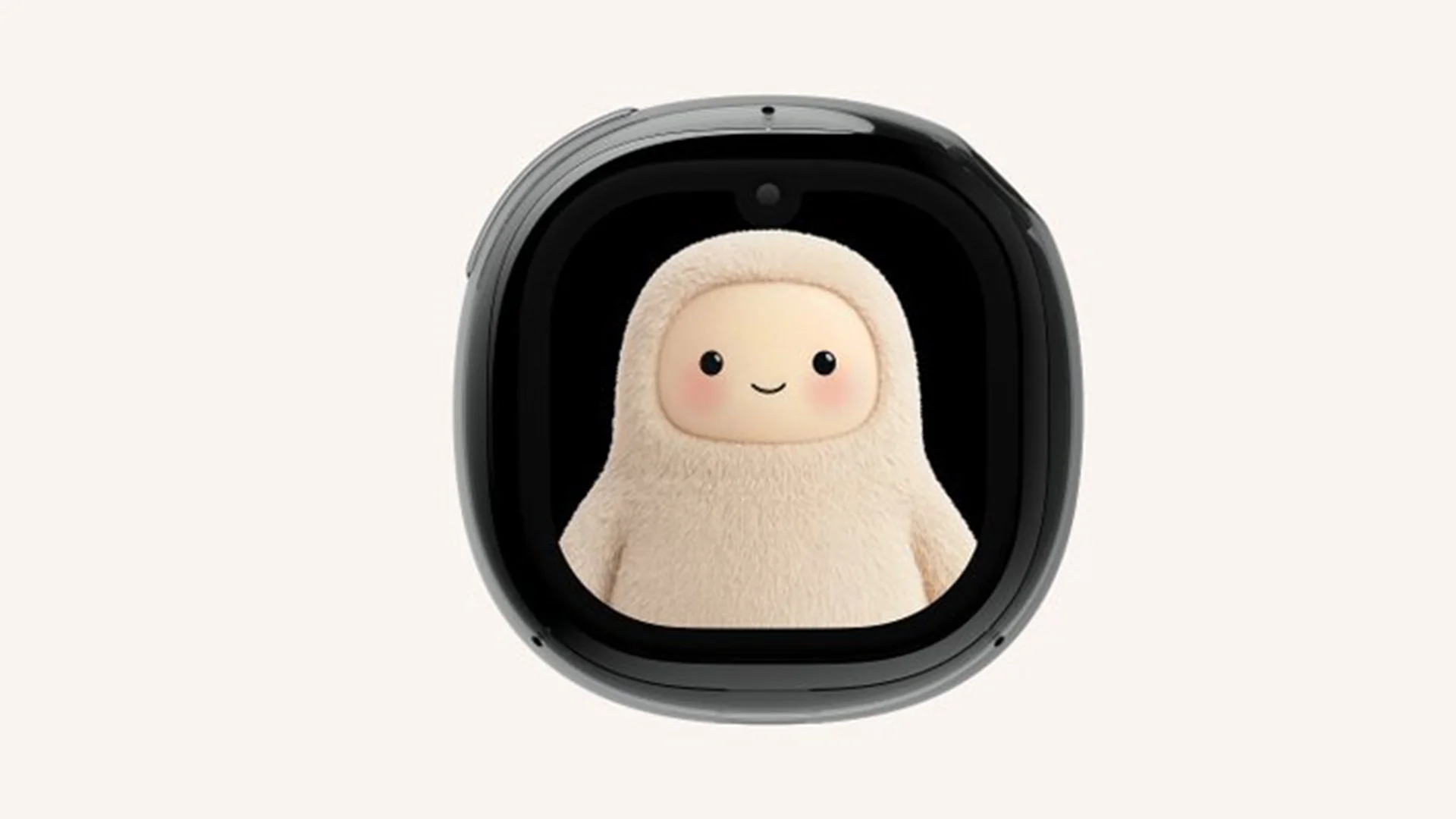
Meta made its viral Muse agent the focus of Connect 2026 on September 23, unveiling the Charm gadget and plans to put the agent on AI glasses. The Muse expansion covered by The Rundown also includes voice and video upgrades and more partners for shopping and work.
According to Meta’s announcement, Muse already spans its app, WhatsApp, the web and Mac. The new hardware plans aim to make the agent easier to reach throughout the day.
Charm, glasses and new partners
Charm is a small keychain device that Meta plans to ship in December. Mark Zuckerberg pitched it as the fastest way to talk to Muse when someone isn’t wearing glasses, according to Axios’s Connect reporting.
Muse is also due on Meta’s AI glasses in the coming months. Meta says the agent will be able to act on what wearers see. Precise availability and supported glasses models remain unclear.
The partner lineup in Meta’s announcement includes Walmart and PayPal as new additions. Shopify catalogue access predates Connect, while Meta lists GitHub and Box for work.
Meta also previewed Muse Realtime Avatar, which pairs generated avatar video with synchronized speech. In Meta’s own evaluation, raters preferred Muse overall to Runway Characters and HeyGen LiveAvatar during conversations lasting two to three minutes with matched avatar identities. The mannerisms comparison with Runway showed no statistically clear preference.
Why it matters
Muse gives Meta a consumer hit to build around. TechCrunch reported on September 21 that Apptopia estimated 2.8 million global installs in Muse’s first 12 days and 642,000 daily mobile users in the U.S. Those estimates support the excitement around Muse, though they leave open whether it will become a lasting habit.
Meta also has an audience for the hardware. In a June 23 joint announcement, Meta and EssilorLuxottica described Ray-Ban Meta as the world’s bestselling AI glasses and said millions of consumers already wear products from their range of AI glasses. That gives Meta a familiar product through which to introduce Muse as support arrives.
For a company criticized for its virtual reality spending, this is a welcome shift. An agent people want could give consumers a reason to try AI glasses. The glasses could make that agent more useful by supplying the visual context behind a request. Demand for the software and the usefulness of the hardware could reinforce each other.
For wearers, the benefit would be practical. Meta’s examples involving products on shelves and school supplies suggest a path from seeing something to asking for help and delegating a task. The test is whether Muse reduces the need to reach for a phone while letting users check and control its actions.
Retail catalogues, payments and work integrations could help Muse turn those requests into useful actions. Shoppers and people connecting work accounts still need clarity on which integrations are live, what each permits and how to correct mistakes. Access also depends on outside companies. Axios reported that Amazon moved to block Muse earlier this week, showing how another company’s access rules can limit what an agent can do.
Privacy is part of whether people will trust that convenience. Meta says it plans to bring Private Processing to glasses so AI experiences can run without anyone, including Meta, seeing the data. The scope of that protection across individual features and outside services remains unclear. People delegating shopping or work tasks will need to know where it applies.
Sources & further reading
- 01therundown.ai ↗
- 02meta.com ↗
- 03Meta gives Muse more capabilities, teases handheld AI device ↗
- 04Bringing Your Muse to Life | Meta AI Research ↗
- 05Meta's Muse is outpacing ChatGPT’s early mobile launch | TechCrunch ↗
- 062026-06-23_Meta Glasses with EssilorLuxottica.pdf ↗
- 07Your Personal Agent Coming to AI Glasses | Meta (en-gb) ↗
This story builds on reporting from The Rundown newsletter on September 25, 2026.