Brett Adcock’s Hark launches an AI assistant with devices planned for 2027
Brett Adcock’s Hark Pro brings memory and suggested tasks to web and mobile. Its planned 2027 devices could help it stand out in a crowded AI field.
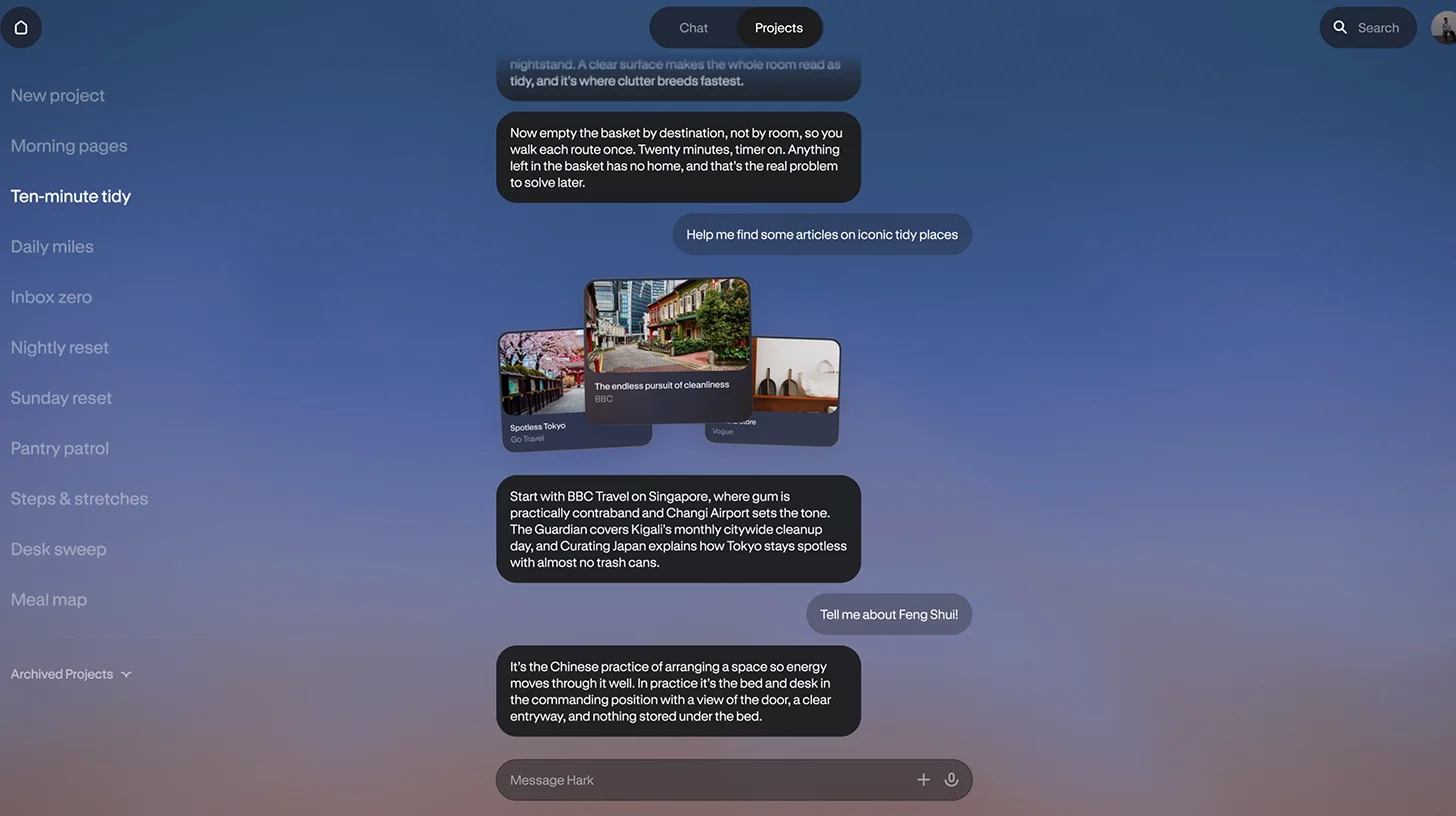
Hark, the AI startup from Figure AI founder Brett Adcock, launched Hark Pro on October 6 for the web, iOS and Android. The company says the personal assistant remembers preferences, flags tasks and can research, shop and make bookings on a user’s behalf.
As The Rundown reported, Hark also plans a family of devices for 2027, with connectivity through AT&T. That hardware could become a more meaningful way to stand out as the field of AI assistants grows.
How Hark Pro works
Hark surrounds its chat box with a home screen of widgets and suggested tasks. Users can also create small custom apps called Panels.
Tasks run on Handoff, Hark’s cloud computer. Hark says it can operate up to six browsers at once while showing its clicks in the chat. The company’s movie booking example includes choosing seats and offering to reserve parking.
Hark lists free access, a $20 monthly plan with twice the usage and a $100 monthly plan with 10 times the usage.
Why it matters
Hark joins a growing field that includes Muse, Instinct and Dots, with Meta and OpenAI among the companies competing. Former iPhone Air design lead Abidur Chowdhury heads Hark’s design team, and its interface looks sleeker than the average assistant.
Suggested tasks could help users notice a chore and decide what to delegate, while visible browser actions let them follow progress. For someone booking an appointment or making a purchase, the test is how much effort the assistant removes from the whole job.
In Fast Company’s brief beta test, Nate Berg found that Hark identified a need for an oil change in his email and handled much of the booking. He still had to provide identifying information and choose an appointment. It is an encouraging result from a narrow test.
Gizmodo’s Raymond Wong judged Hark’s food ordering demonstration slower than ordering manually. For users, both the time a task takes and the attention it demands count, including any checks or corrections.
The hardware could become the more important distinction. Releasing the app first gives Hark a chance to earn a place in users’ routines before asking them to buy another device. A dedicated product would then need to improve on what those users can already do through the app.
Hark’s AT&T announcement offers the clearest clue to that plan. Hark says AT&T is investing and collaborating on device certification and connectivity. The intended devices would connect to a mobile network without tethering to a phone or relying on Wi-Fi. That could make the assistant easier to reach without first opening an app on a phone.
The partnership announcement leaves the devices’ form, price, battery life and service terms open. Coverage, responsiveness and any recurring connectivity charges will help determine how useful that independence is. A separate Hark device would need to save enough effort to justify its cost.
Sources & further reading
- 01therundown.ai ↗
- 02Introducing Hark Pro | Hark ↗
- 03Hark releases an AI personal assistant with a focus on privacy | TechCrunch ↗
- 04Hark Pro rethinks the chatbot with a proactive AI assistant - Fast Company ↗
- 05This Startup Led by an Ex-Apple Designer Thinks a GUI for AI Could Change Everything ↗
- 06Hark and AT&T Partner on Connectivity for Future AI Devices | Hark ↗
This story builds on reporting from The Rundown newsletter on October 7, 2026.