Google’s $179.99 Fitbit Edge pairs a screen with a replaceable battery
Google’s $179.99 Fitbit Edge pairs a screen with a replaceable battery. Parts prices and the work needed to swap it will shape its value over time.
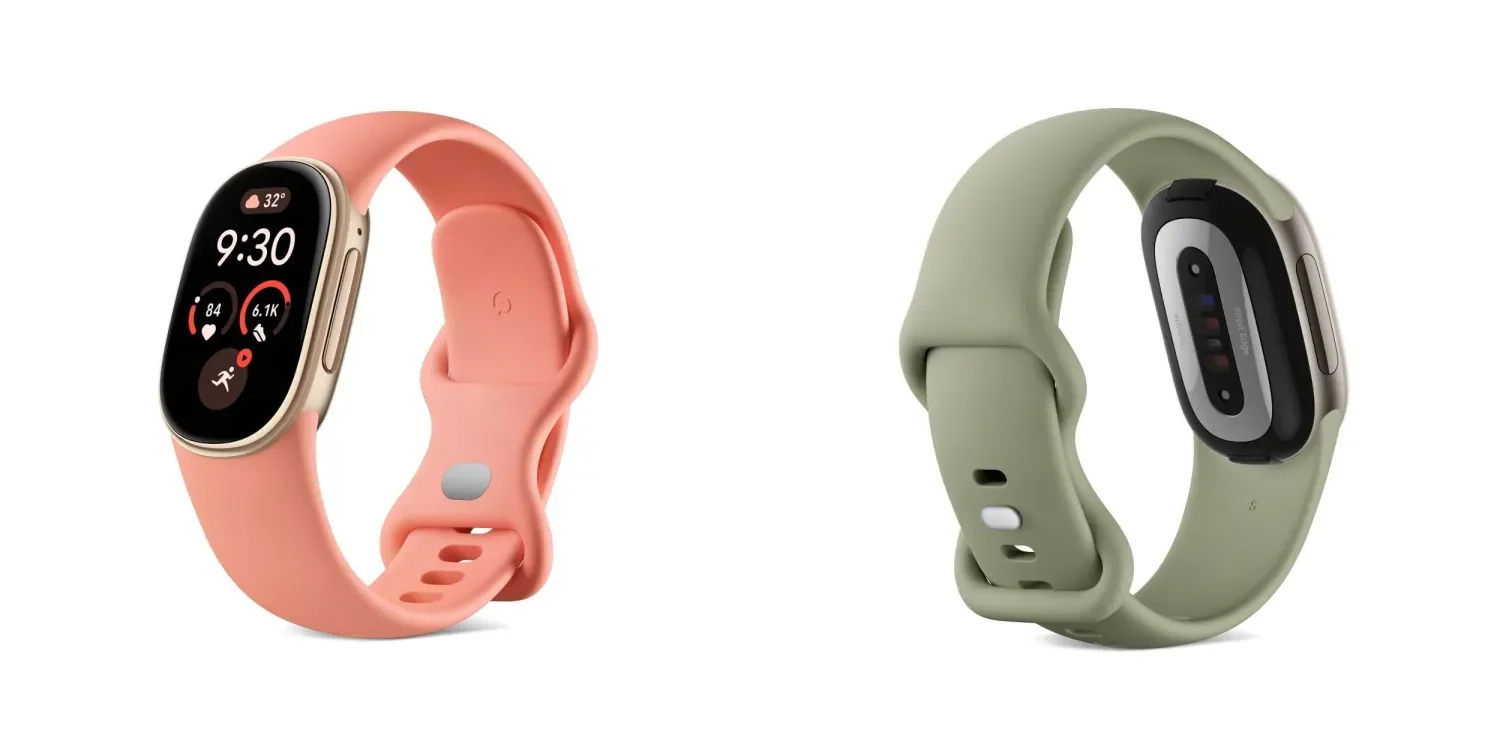
Google has opened preorders for the $179.99 Fitbit Edge, a fitness tracker with an OLED screen and a replaceable battery. The Edge, covered in The Rundown this week, sits between the screenless Fitbit Air and the Pixel Watch 5.
Google announced Edge on October 12, with retail availability scheduled for October 27. The company says its modular design is meant to extend the device’s life. The cost and ease of a battery swap remain open questions.
What Edge offers
The OLED display measures 1.34 inches and shows workout stats and notifications. Google says it offers 46% more viewing area than the Charge 6. Edge also has onboard GPS, plus ECG with AFib detection, blood oxygen sensing and skin temperature tracking.
Google rates battery life at up to seven days, based on preproduction testing with a usage profile that includes features enabled by default in Battery Saver mode. With the display set to stay on, its estimate falls to up to two days. Actual endurance depends on settings and use.
Edge works with most phones running Android 11 or later or iOS 16.4 or later. Owners need a Google account and the Google Health app.
Google Maps directions are due later in 2026, and Edge lacks NFC and Google Wallet contactless payments, according to WIRED. Google’s current comparison page lists music playback controls.
Why it matters
The screen gives buyers a way to check a workout or read a notification without taking out their phone. That helps explain Edge’s place above the screenless $99 Fitbit Air. Its iPhone compatibility also gives Apple phone owners an option in a lineup where Pixel Watch 5 requires Android.
Buyers will have to weigh the screen’s convenience against charging frequency. Google’s estimate drops sharply when the display stays on, so the weeklong claim needs to be judged alongside the settings it assumes. Buyers who want the screen visible all day should base their expectations on the shorter estimate.
Battery replacement could let owners keep an otherwise useful tracker when the cell wears out. That promise depends on where batteries are sold, what they cost and how much work the swap takes.
As of October 15, Google’s repair guidance recommends that only adults with the technical skills to repair electronics safely attempt the swap themselves. It lists two sizes of Torx screwdriver, tools to guard against static electricity and safety equipment. Owners without those skills may need professional help. Google says repair options depend on region and availability.
Google reiterated the design in a later statement on October 15, but gave no Edge battery price or seller. Its repair guidance also lacks a complete swap procedure. The full bill could include parts, tools, shipping and labor, which buyers will need to weigh against replacing a $179.99 tracker.
Software support also shapes how long Edge can stay useful. Google promises at least two years of security updates after Edge is last sold on the Google Store. That ties the minimum support period to the end of sales. It leaves buyers without a fixed support end date for planning how long to keep the tracker.
Sources & further reading
- 01therundown.ai ↗
- 02Google Fitbit Edge: Our all-new smartest fitness tracker ever ↗
- 03Google Fitbit Edge: Specs, Features, Price, Release Date | WIRED ↗
- 04Google announces the Fitbit Edge, a middle ground between Pixel Watch 5 and Fitbit Air - Ars Technica ↗
- 05Extend your Fitbit device's battery life - Google Health Help Center ↗
- 06Compare Google & Fitbit Smartwatches ↗
- 07Making your Pixel devices last longer through design, repair, and reuse ↗
This story builds on reporting from The Rundown newsletter on October 13, 2026.