GlobalFoundries to test Boston Dynamics’ Atlas in chip fabs
GlobalFoundries plans to test Boston Dynamics’ Atlas in chip fabs in early 2027, where strict cleanliness and chemical controls add new demands.
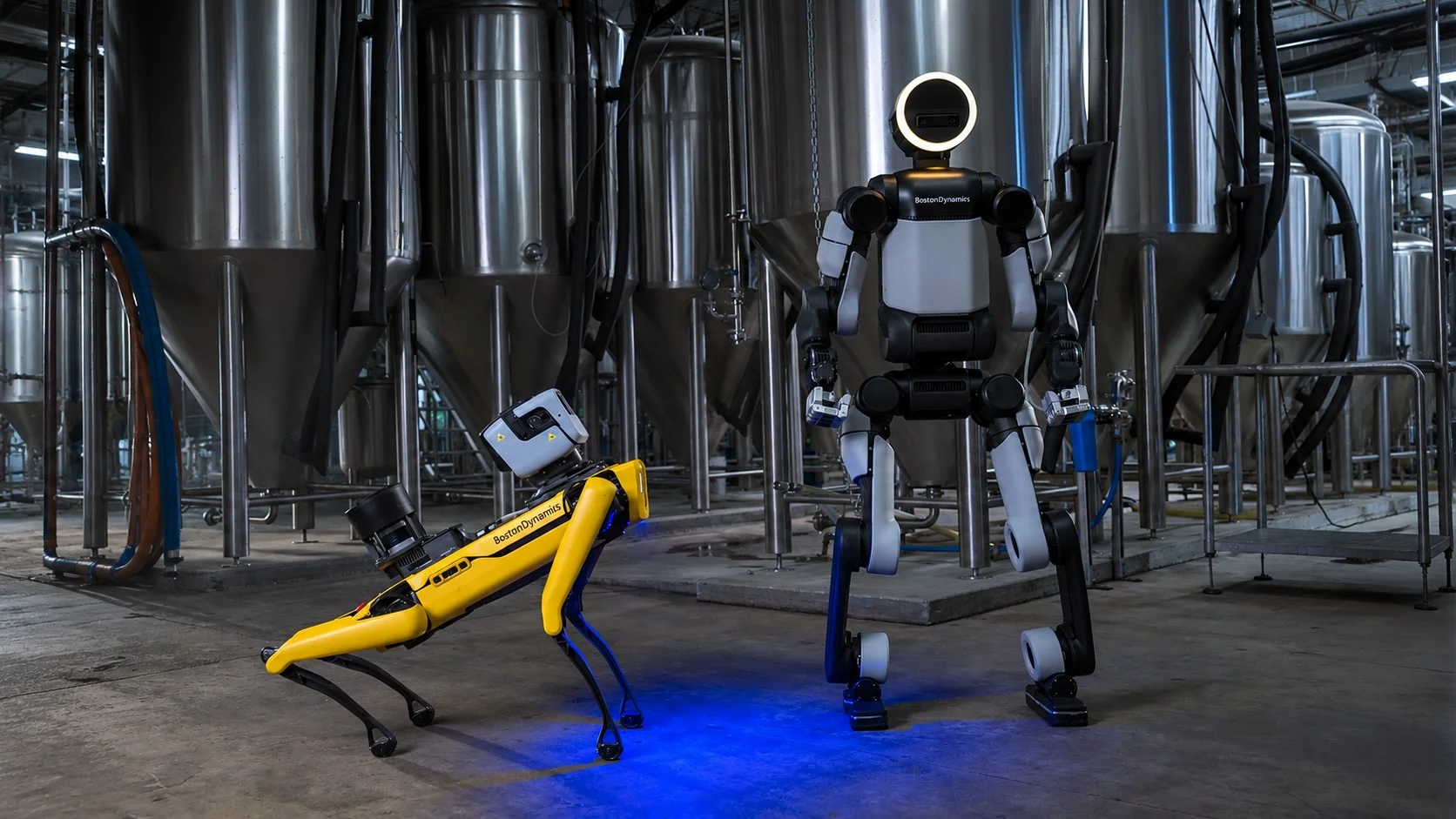
GlobalFoundries plans to start testing Boston Dynamics’ Atlas humanoid inside its chip fabs in early 2027. In its November 17 announcement, Boston Dynamics described GF as the first manufacturing customer outside automotive to join Atlas’s early adopter program.
The deal covered in The Rundown also expands GF’s fleet of Spot inspection robots, building on years of work with the quadruped.
Atlas trials and a broader Spot rollout
GF and Boston Dynamics plan workshops to assess possible jobs, site readiness, and how Atlas would fit into plant operations. The agreement also covers early task testing and training. The companies have not disclosed the number of Atlas robots, the first tasks, exact trial areas, or a date for routine operations.
Spot’s expansion covers Malta, New York; Burlington, Vermont; Dresden, Germany; and Singapore. GF’s Burlington plant has run the quadruped for more than four years.
The companies report that two Spots in Singapore have traveled nearly 900 kilometers and logged more than 90,000 sub-fab inspections since April, with a 99% mission success rate. Atlas’s performance in GF’s fabs remains to be tested.
Why it matters
Boston Dynamics said in January that all 2026 Atlas deployments were committed to Hyundai Motor Group, its majority shareholder, and development partner Google DeepMind. In September, it outlined plans for 25,000 Atlas units at Hyundai Motor and Kia plants over the following few years.
GF is the first manufacturing customer Boston Dynamics has publicly named outside that circle. It gives the company a chance to show how much of Atlas’s training and integration work can carry over to a customer with different requirements. Boston Dynamics had already outlined expansion through existing robot customers, including semiconductor companies. GF makes that strategy concrete.
GF’s fabs also add demands for cleanliness and chemical safety. Its 2025 annual filing warns that impurities, equipment failures, and other disruptions can lower chip yields, interrupt manufacturing, and destroy products in process. For GF’s operations and safety teams, that makes contamination controls, maintenance, and recovery after a fault central to judging any Atlas job. A task that saves labor could become costly if it also introduces contamination or production stops.
The filing also identifies highly flammable silane and hydrogen in GF’s manufacturing operations. GF’s sustainability report describes highly controlled cleanrooms, enclosed equipment, and automated chemical delivery. A task that reduced workers’ exposure to hazards could be valuable, but Atlas would have to work within those safeguards. Atlas’s cleanroom qualification and any role handling chemicals remain undisclosed.
The next useful milestone is a defined task with measured results. Boston Dynamics says Atlas supports autonomous operation, remote control, and tablet control. GF has not said which mode it will test. Completion rates without human help, operator interventions, recovery time, and the amount of work completed would help show how much Atlas can do and how much support it needs.
Sources & further reading
- 01therundown.ai ↗
- 02bostondynamics.com ↗
- 03Boston Dynamics Unveils New Atlas Robot to Revolutionize Industry | Boston Dynamics ↗
- 04Boston Dynamics Opens Robotics Metaplant Application Center to Train Humanoid Robots for Manufacturing Tasks | Boston Dynamics ↗
- 05Form 20-F for Globalfoundries INC filed 02/27/2026 ↗
- 06# Air emissions ↗
This story builds on reporting from The Rundown newsletter on November 19, 2026.