Genesis AI raises $500M for robots trained with sensor gloves
Genesis AI raised $500M to expand robot training with sensor gloves, an approach that could cut data costs but still faces tests of reliability.
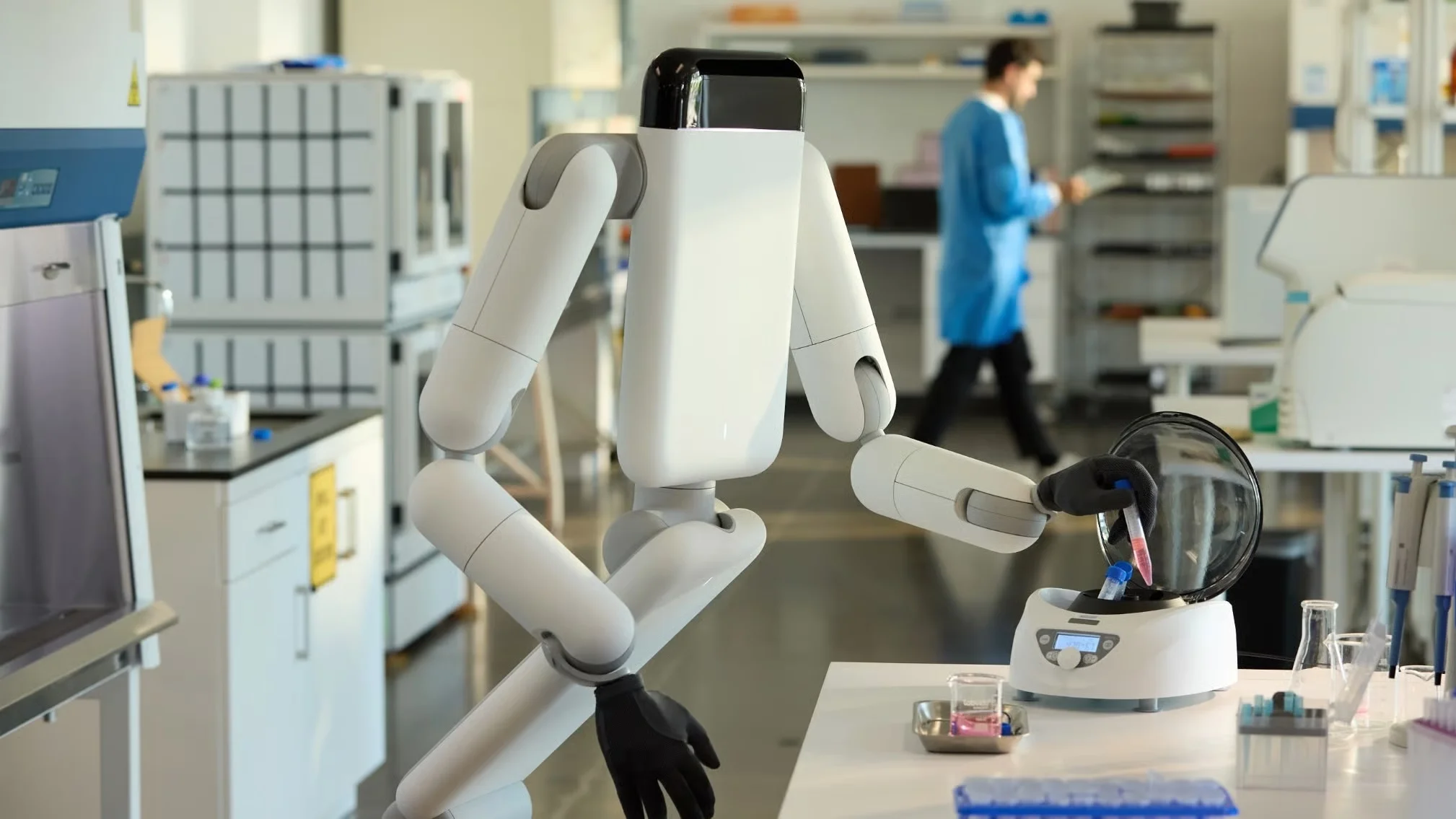
Genesis AI announced a $500 million Series A round on Nov. 17 at a $3.5 billion valuation, with Nvidia participating. The company plans to expand data collection and deploy its flagship robot, Eno, targeting manufacturing, logistics and laboratories.
Genesis trains robots on force data from sensor gloves that people wear at work, an approach covered in The Rundown’s Nov. 19 edition. It could make training examples cheaper and easier to collect.
How the gloves work
Eno has two arms on a rotating wheeled base and no head. Genesis says it has built 30 to 40 robots and is running pilots with a handful of undisclosed customers, TechCrunch reported.
More than 100 workers worldwide wear sensor gloves and headset cameras while doing their jobs, according to the company. The robots wear the same gloves on hands built to human proportions.
CEO Zhou Xian says the hands wear out after a few weeks of regular work. TechCrunch also saw standalone robot arms fumble a box and struggle with a label during a demonstration.
Why it matters
Genesis’s cost claims explain the appeal. In its May announcement, the company said its glove hardware costs about one hundredth as much as typical alternatives. It separately reported up to five times greater data collection efficiency in internal tests against teleoperation, where people remotely control robots to record their movements.
The full cost of a useful training example also depends on labor, calibration and the share of recordings that can enter training. Genesis’s announcement leaves those total savings unclear.
For robot developers, the practical gain could be collecting demonstrations before building a large fleet. Workers can record tasks where they already happen, without a robot and remote operator at every site. That could make it easier to gather varied examples from the settings where the robots are expected to work.
Sunday is pursuing a similar approach with Memo, its wheeled home robot. The company announced a $165 million Series B at a $1.15 billion valuation on March 12, 2026. Its Skill Capture Glove also gathers human demonstrations for robot training.
Sunday says its glove matches the shape and sensor layout of its robot’s hand. Its software converts human movements and images into robot training examples. The company reports a 90% success rate for that conversion step. The economic benefit depends on how well those examples teach Memo to complete chores reliably.
Manufacturers, logistics firms and labs considering Eno will need to see whether more demonstrations lead to reliable task completion, fewer human interventions and manageable repair costs. Sunday faces a similar test with household chores. The reported hand life at Genesis makes maintenance part of that calculation. Frequent repairs or human help could offset the savings from cheaper training data.
Sources & further reading
- 01therundown.ai ↗
- 02Genesis AI Raises $500M Series A at $3.5B Valuation to Master Human-Level Dexterity in General-Purpose Robots and Deploy at Scale ↗
- 03Genesis AI raises $500M to deploy glove-wearing robots | TechCrunch ↗
- 04Genesis AI Unveils GENE-26.5, the First AI Brain to Enable Robots with Human-Level Physical Manipulation Capabilities ↗
- 05This Home Robot Clears Tables and Loads the Dishwasher All by Itself | WIRED ↗
- 06Sunday Raises $165M to Launch First Autonomous Robots by ↗
- 07www.sunday.ai ↗
This story builds on reporting from The Rundown newsletter on November 19, 2026.