Foundation pushes its Phantom humanoid toward combat
Foundation is testing its Phantom humanoid in Ukraine as militaries explore support roles. Plans for combat still face questions about reliability.
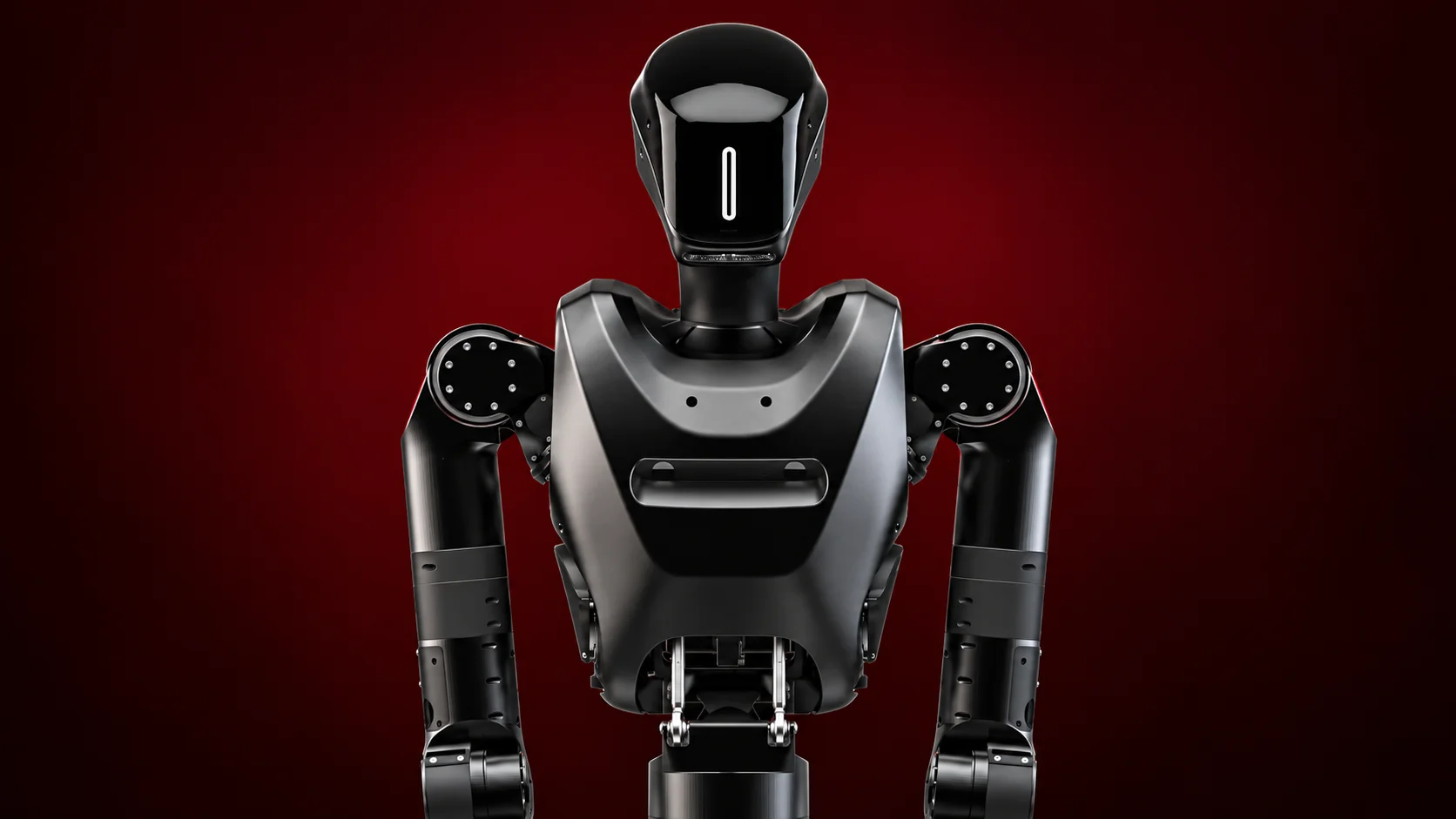
Foundation Future Industries wants to turn its Phantom humanoid into a military machine. The startup is testing the robot in Ukraine for jobs including moving supplies and reconnaissance, according to a July report from Euronews.
The effort, covered in The Rundown, includes plans to give the robot lethal capabilities. CEO Sankaet Pathak told Euronews that weapons testing could begin in 2027.
From support tasks to weapons tests
Foundation says testing in Ukraine prompted a hardware redesign for outdoor work and demanding conditions, according to Euronews.
The company released footage in May showing a robot loading a mortar, The Washington Post reported on July 20. That work predates the proposed 2027 tests, whose scope remains unclear. The timing of any combat deployment is also open.
A wider military push
The U.S. Army's xTechHumanoid competition sought entries in 2025 for prototypes that could work alongside soldiers. Its evaluation plan covers AI, sensors and power systems. The Army announced up to $490,000 in prizes and a total pool of up to $1.25 million for possible further awards.
South Korea's Navy tested KAIST's Pibot as a helmsman at a Changwon training facility on July 23, 2026, Yonhap reported. According to the Navy, it followed steering orders in simulated narrow waters, bad weather and nighttime conditions. The service aimed to identify tasks robots could perform and reduce sailors' workloads.
In India, DRDO researchers said they had built prototypes for the upper and lower body of a military humanoid, The Times of India reported in May 2025. They described a robot under human command, with intended jobs including handling hazardous objects and operating doors and valves. They set a 2027 development target.
Why it matters
Foundation is part of a global push to take humanoids from factories into defense. Military programs in the U.S., South Korea and India make that shift concrete. For Phantom, operational combat remains a further, unproven step.
For soldiers and sailors, the first benefit could come from support work. Moving supplies, taking the helm and handling hazardous objects could reduce workloads or exposure to danger. Any gain would depend on how much supervision, maintenance and recovery the machines require.
The human form could help a robot handle equipment built for people, such as doors, valves and helm controls. That could reduce the need to alter a facility or vessel. But DRDO researchers identified balance and coordinated movement as challenges in their development work. Military buyers would have to weigh that compatibility against the demands of making the robot work reliably.
Ukraine's role as a testing ground matters because it can expose engineering weaknesses under demanding conditions. Foundation's reported hardware redesign is one practical result. For military buyers, the next useful measures are reliability, performance outdoors and how often an operator must intervene. Those results would help buyers judge whether troops could depend on the robot during routine support work.
The Army competition offers money for evaluation and possible further development. That leaves military buyers with further decisions about procurement and deployment. If Foundation advances toward combat, they would also need clear rules for who controls the robot and who can authorize lethal force.
Sources & further reading
- 01therundown.ai ↗
- 02euronews.com ↗
- 03How armed robots could become the military's weapon of choice - The Washington Post ↗
- 04xTechHumanoid competition militarizes humanoid technology for Soldiers – xTechSearch ↗
- 05Navy conducts 1st combat experiment with humanoid robot as helmsman | Yonhap News Agency ↗
- 06DRDO Pune lab developing humanoid robot for military operations | Pune News - Times of India ↗
This story builds on reporting from The Rundown newsletter on September 14, 2026.