Foundation reportedly missed payroll while pitching military robots
Foundation, backed by Eric Trump, reportedly missed payroll as it pitched military robots, raising questions about its finances and delivery plans.
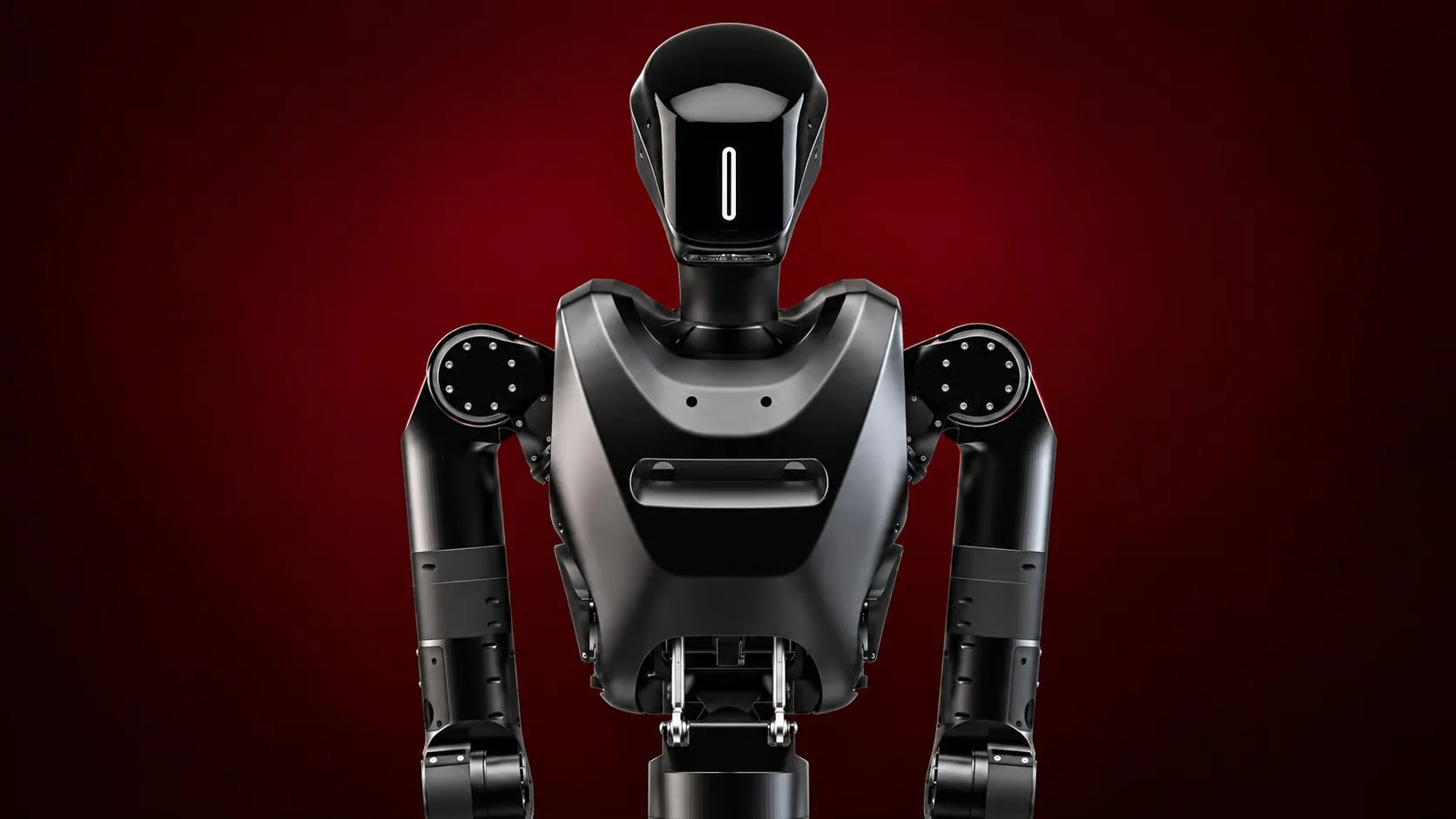
Foundation Future Industries, a San Francisco startup pitching humanoid robots for military work, missed its Oct. 30 payroll, leaving workers unpaid as of Nov. 14, according to CNBC reporting summarized by Quartz.
The missed wages, covered in The Rundown’s Nov. 16 edition, come as Foundation pursues military ambitions with Eric Trump as an investor and chief strategy adviser. Founder and CEO Sankaet Pathak described plans for lethal capabilities in a July 17 interview with WIRED. Whether the overdue wages have since been paid remains unclear.
The money behind the military pitch
CNBC also reported that Pathak borrowed $4.6 million from Foundation in 2025 to buy a California home. Pathak is the company’s sole board member and majority owner, Quartz reported, citing CNBC.
Pathak is reportedly seeking funding at a $3 billion valuation, according to Ars Technica, which also cited CNBC. He previously led Synapse, the fintech company that entered bankruptcy in 2024 and left customers unable to access their deposits.
Foundation has publicized $24 million in military contracts. When WIRED asked for documentation in July, the company supplied two contracts inherited from its Boardwalk Robotics acquisition and three through IHMC. WIRED found no apparent new government funding that Foundation had secured independently at that time.
Why it matters
The Financial Times reported early talks about supplying robots to Israel’s military, an account relayed by Ars Technica on Nov. 16. The current status of those discussions remains unclear. The reported payroll failure gives prospective customers a reason to examine whether Foundation can sustain the work it is offering.
For employees, the immediate issue is receiving pay they have already earned. If payment problems persist, Foundation could struggle to retain the engineers and support staff needed to finish, deliver and maintain its robots. Whether wages have been paid and what financing is committed are therefore practical questions for buyers as well as workers.
Investors also need to understand what the $24 million contract figure represents. Inherited contracts can support a business, but the benefit to Foundation depends on who holds each award, what work remains and when payments arrive. Those details would help show how much the contracts can contribute to development and deliveries.
The founder’s loan adds an oversight question. Pathak is both the borrower and the company’s sole board member, so the loan’s terms, approval and repayment status matter to employees and investors assessing how Foundation manages cash. The reports do not establish that the loan caused the missed payroll.
As of Nov. 17, Foundation’s Phantom page advertises suitability for defense, high uptime and low maintenance. Military buyers would need tests that show how long the robots can operate, what maintenance they need and how people would control any lethal capabilities. They would also need confidence that Foundation can sustain the staff who build and support its machines.
Sources & further reading
- 01therundown.ai ↗
- 02Foundation Future Industries missed payroll after CEO's $4.6M loan ↗
- 03A Humanoid Company Backed by Eric Trump Is Preparing Its Robots for War | WIRED ↗
- 04Robo-soldier startup backed by Eric Trump misses payroll, may collapse - Ars Technica ↗
- 05Founder of failed fintech Synapse says he's raised $11M for new robotics startup | TechCrunch ↗
- 06Phantom – Strongest & Smoothest Humanoid Robot ↗
This story builds on reporting from The Rundown newsletter on November 16, 2026.