Flock backlash could shift surveillance spending to rivals
A map of Flock’s device records offers a closer look at its network. Denver’s Axon deal shows why privacy depends on access, sharing and deletion rules.
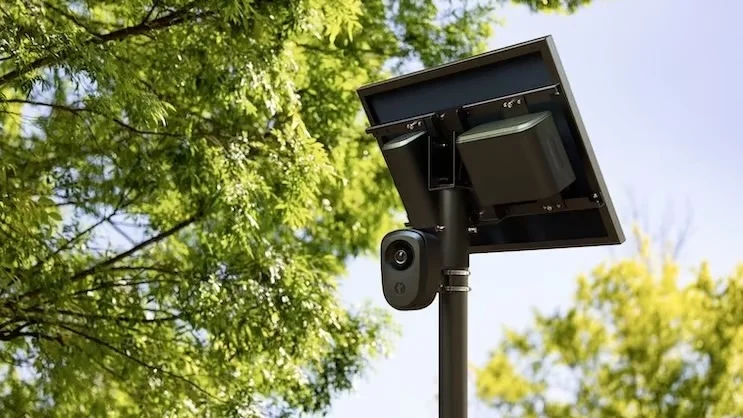
Researcher Joshua Michael has published a map built from Flock’s own device records, giving the public a detailed look at the surveillance company’s network.
As The Rundown reported on September 29, Denver approved replacing Flock with Axon while retaining license plate tracking. The council approved that deal in March.
What the map counts
Michael’s research paper, dated September 2, 2026, says he retrieved 335,701 device and deployment records on December 14, 2025. His inventory included 214,073 marked in service, 83,427 planned, 38,190 decommissioned and 11 with unknown status.
The total spans different types of equipment and deployment stages. Michael says he did not conduct license plate searches or access live investigative data.
Denver’s earlier switch
Denver City Council approved a $150,000 Axon agreement on March 31 covering 50 cameras that read license plates. The agreement runs through March 31, 2027.
Denver’s replacement plan includes a retention period of 21 days, according to The Guardian’s August 20 report.
Why it matters
The backlash against Flock could boost rival surveillance vendors while cities keep tracking drivers’ movements. Denver’s Axon agreement shows how spending can move to another supplier. Any privacy gains depend on enforceable limits on who can access the data, how it can be shared and when it must be deleted.
For drivers, the stakes extend beyond the camera that records a plate. Access rules determine which agencies may search a record. Sharing rules also need to cover exports and whether recipients may pass data to other agencies. City officials need clear authority over who can change those permissions.
Search documentation can help cities check how police handle the data. Flock describes mandatory offense selections for searches of an agency’s own cameras and its broader lookup tools. Administrators can configure the categories, and choosing “Other” requires an explanation.
In its August 13 announcement, the company also promised mandatory audit assistance and case codes for law enforcement searches by the end of 2026. Emergency exceptions would be flagged for review. Those planned controls could make searches easier to audit. Effective oversight would also depend on checking case identifiers, reviewing exceptions and acting on misuse.
Flock also announced a default retention period of seven days and recommended that customers adopt it. Existing customers could keep their current settings, so local retention policies matter when comparing vendors.
Shorter retention can reduce the movement history available to search, while giving investigators less time to retrieve a sighting before routine deletion. Flock’s proposed Evidence Mode would preserve selected data for active investigations.
Cities need to specify who can approve longer storage, how deletion applies to exports and backups, and what records show that deletion occurred. Denver’s privacy gains depend on whether its access and retention limits are binding and whether the city can show they work in practice.
Sources & further reading
- 01therundown.ai ↗
- 02‘Never Hacked’: The National Security and Accountability Failures in Flock Safety’s Nationwide Dynamic Surveillance Network ↗
- 03City and County of Denver - File #: 26-0246 ↗
- 04Their cities dropped Flock surveillance cameras. They’re still being watched | Colorado | The Guardian ↗
- 05New Offense Type Dropdown Improves ALPR Search Audits ↗
- 06Flock Updates Privacy, Accountability, Security, and Transparency Safeguards ↗
This story builds on reporting from The Rundown newsletter on September 29, 2026.