Three xAI founders launch Epochal to teach AI to predict the future
Epochal’s Time Portal aims to teach AI to forecast events by replaying the past. Its first test checks how closely those replays match live forecasts.
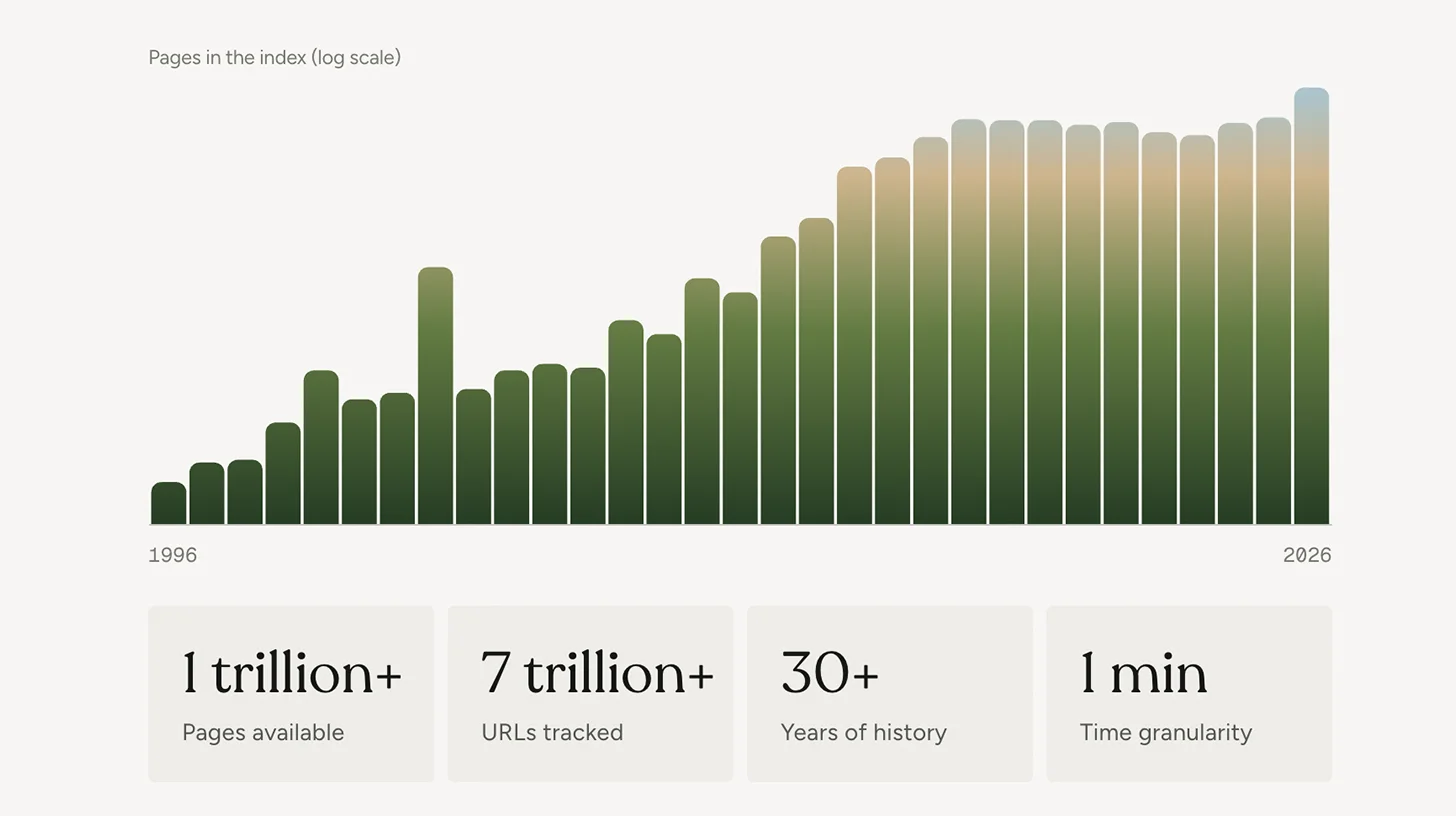
Three members of xAI’s founding team launched Epochal on November 24, aiming to teach AI to predict events by reliving the web’s past. Its first product, Time Portal, featured in The Rundown’s launch coverage, is designed to let agents revisit the web as it looked at a chosen moment in history.
The company announcement names xAI founding members Guodong Zhang, Zihang Dai and Manuel Kroiss alongside Alex Bocharoff and Frank Luan. Zhang reportedly put in $100 million of his own money, according to The Next Web’s account of Bloomberg’s reporting.
A web archive built for agents
“Today's AI has read almost everything and lived through almost nothing,” Epochal wrote. The company says it built Time Portal in 90 days and indexed more than one trillion pages across roughly three decades of web history.
In its product announcement, Epochal says it saves versions of the most dynamic pages as often as once a minute, so agents can revisit a specific hour in the past. It also describes a Linux environment whose clock, operating system, software downloads and web traffic align with the selected time. The goal is to keep clues from the present out of the replay.
A limited version was available for developers to try at launch, The Next Web reported.
What the first test measured
Epochal says it tested agents on 347 live forecasting questions involving Kalshi and Polymarket, then replayed the tasks weeks later at the same historical moments. In its reported results, the original and replayed forecast errors had a correlation of 0.98.
That figure measures how closely the errors tracked one another. Reproducing an agent’s earlier mistakes helps test whether the replay recreates the conditions of the live run.
Why it matters
Fans of Devs will recognize the premise. The TV series imagines a quantum computer that can reconstruct the past and predict the future. Epochal’s version works with old web pages. Its bet is that enough experience with the past could make future events easier to predict.
Epochal’s proposed learning process starts with the information available before an event. An agent makes a forecast, then compares it with the outcome. Repeating that exercise could help it learn which clues deserved more weight.
For researchers and developers, a reliable replay could speed up testing. They could compare agents, prompts or research methods against the same historical moment, then score the forecasts without waiting for another event to resolve.
Business and policy analysts could also examine what was reasonable to expect before a decision. Replaying the available information could help them spot overlooked signals and see where hindsight makes an outcome look obvious.
For developers building on the archive, the rights to its contents are another open question. The Next Web reported at launch that Epochal had not explained how it collected the pages or whether they were licensed.
A reliable replay also has to keep later answers out. An agent may already know a historical outcome from its original training. A fair test needs to account for that knowledge as well as the clues visible in its browser. Epochal still needs to show that practicing on the past makes agents better at forecasting new events.
Sources & further reading
This story builds on reporting from The Rundown newsletter on November 25, 2026.