Chase software bug delays payments at other banks
A Chase software bug delayed payments at other banks, following Microsoft and FAA outages within five days. No common cause has been established.
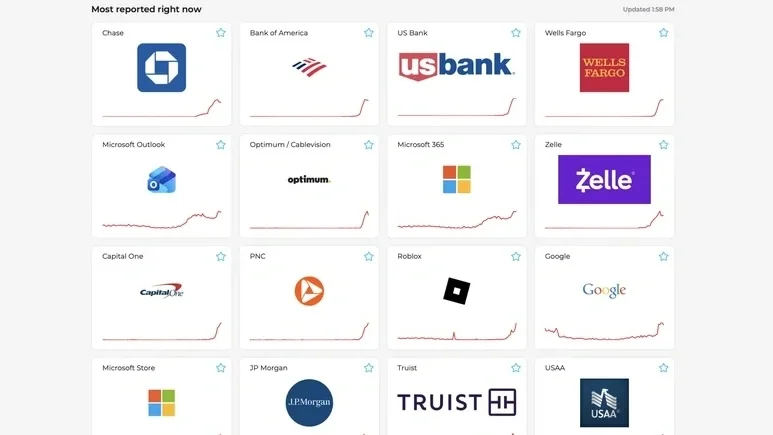
A software bug inside JPMorgan Chase disrupted banking services for hours on Monday, November 16, delaying payments at other banks when Chase was involved in a transaction. The outage, covered in The Rundown’s November 17 edition, followed major disruptions to Microsoft services and U.S. flight departures.
Chase spokesman Joe Evangelisti told the Associated Press that a software bug in a system running on the bank’s premises caused the problem. Chase said it had no evidence of a cyberattack.
Payment delays and account errors
U.S. Bank said its systems were not directly affected, and Zelle’s operator said the payment network remained operational. The disruption also reached physical banking, with AP documenting a nonworking Chase ATM.
Plaid, which connects bank accounts to other apps, recorded intermittent errors involving Chase accounts. It marked that connection incident resolved at 7:34 p.m. EST on Monday.
On Tuesday, November 17, Chase told AP that it had resolved the problem Monday and transactions were processing normally.
Why it matters
Chase’s disruption was one of three major failures affecting essential services in the five days from November 12 through November 16. Microsoft’s Outlook and Teams services were disrupted starting Thursday, November 12. Microsoft said it restored service Saturday, November 14.
On Friday, November 13, the FAA halted departures nationwide for about five hours. Officials said newer technology had overloaded older equipment, leaving gaps in communications and radar. Departure restrictions ended Friday evening.
No bank has tied Monday’s outage to either event, and the timing alone does not establish a shared cause. The sequence raises questions about how essential services withstand technical faults, limit their effects and keep customers informed during recovery.
For banking customers, the Chase incident shows why a functioning bank can still leave a payment waiting. A transaction depends on the institutions handling it. U.S. Bank’s systems and Zelle’s network could be operating normally while a payment involving Chase faced delays. A bank’s own service status therefore gives customers only part of the information they need to understand a stalled transaction.
Plaid’s errors show a similar limit for people who reach their accounts through other apps. An app can offer another way to reach a Chase account while still depending on Chase to respond. Switching apps may therefore fail to provide a workable backup.
That makes clear communication part of the practical response. Customers need to know which connections are affected, whether payments are delayed and which account access options are working. A general assurance that a payment network is running can be accurate while leaving a customer unsure why their transfer has stalled.
Chase’s explanation identifies a software bug but leaves open why it took hours to restore normal transactions, how backup systems responded and what changes could prevent a repeat.
Sources & further reading
- 01therundown.ai ↗
- 02Technical issue at JPMorgan Chase triggers online banking delays | AP News ↗
- 03status.plaid.com ↗
- 04A look at online delays that affected major US banks | AP News ↗
- 05Microsoft says services fully restored after hourslong global outage | AP News ↗
- 06FAA says airplane departures can resume following ground stop | AP News ↗
This story builds on reporting from The Rundown newsletter on November 17, 2026.