Australia wants users to choose whether their default feed is personalized
Australia’s proposed feed rules would give users a choice over personalized recommendations, with key questions about design, enforcement and safety.
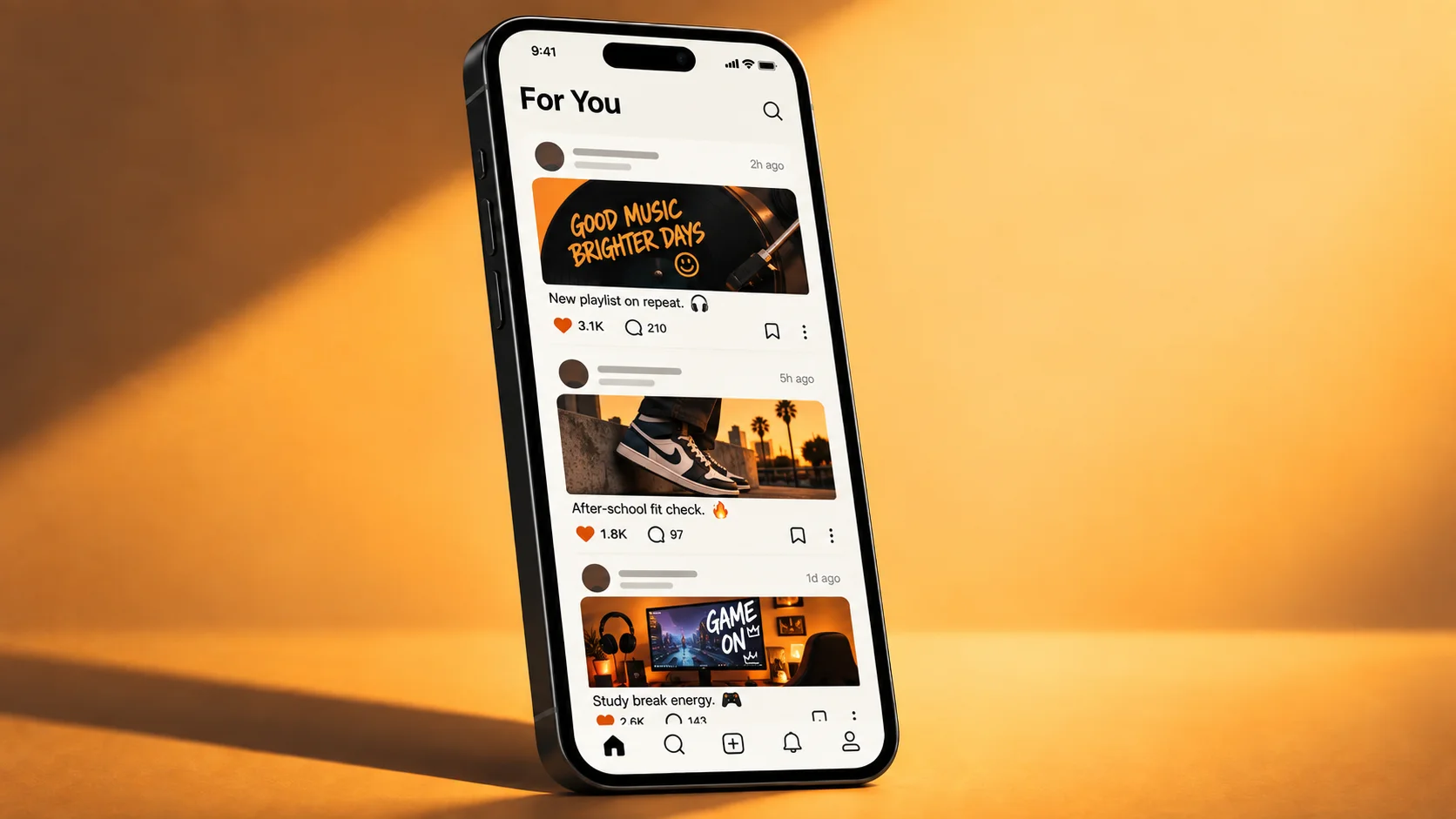
Australia wants social platforms to ask users what they want to see when they open their feeds. Under the government’s “My Feed, My Way” proposal, announced September 8, eligible Australians would choose between personalized recommendations and content from friends and creators they follow.
The proposal targets the systems that decide what gets amplified. Its potential benefit is giving people more control over their experience while retaining access to the accounts they chose to follow. Whether that control meaningfully improves safety will depend on the rules and how platforms implement them.
What Australia is proposing
The September 8 government announcement says platforms would notify new and existing users “over the age of 16” and offer an enduring choice of default feed. At the press conference that day, Communications Minister Anika Wells described a neutral choice between the personalized feed and the following feed, with users able to change their selection.
The feed initiative sits within a proposed Digital Duty of Care. The government says the broader framework would cover games, apps, messaging services and chatbots, including protections for people under 18 against harmful content and addictive features. Platforms would document how they address risks, with eSafety oversight and penalties reaching A$109.2 million for failures to comply.
The exposure draft gives the minister powers to specify covered services and required user controls through later legislative instruments. Those rules will be important to defining exactly what platforms must provide.
As of September 9, the proposal is in consultation. The department’s September 8 publication notice requests feedback by noon on September 22, without specifying a time zone. The government intends to introduce legislation to Parliament this year. The draft places commencement of the duty provisions after a 12-month period following Royal Assent.
Feed choices can mean different things
Europe offers a relevant comparison, with an important distinction. The EU’s Digital Services Act requires very large platforms and search engines to offer at least one option for each recommender system that does not rely on profiling, according to European Data Protection Board consultation guidance. Such an option can still recommend content beyond accounts a person follows.
In its 2023 implementation announcement, TikTok said its European feeds without personalization would show popular local and global videos. It separately described chronological Following and Friends feeds. Australia’s announced choice specifically centers on personalized discovery or content from followed accounts; the ordering of that following feed remains open.
Why it matters
Age restrictions govern who can participate on a platform. Takedowns govern which material stays available. Australia’s proposal reaches another layer of platform power, the recommendation systems that decide which posts receive attention. Giving users a say at that layer could offer a less blunt way to shape their experience.
For an eligible user, the practical gain would be access to chosen friends and creators while declining personalized discovery as the default. Someone who values recommendations could keep them. Someone who wants a feed drawn from followed accounts could choose that experience. The government presents this as an additional measure alongside its age restrictions, as Wells explained at the September 8 press conference.
That choice carries a tradeoff. Limiting a feed to followed accounts could mean fewer opportunities to encounter unfamiliar creators through personalized recommendations. Its value rests partly on letting each user decide how much discovery they want in their primary feed.
The interface will determine how useful the right becomes. A clear selection that persists across visits would give users dependable control. A setting that is difficult to find or repeatedly needs restoring would make that control harder to exercise. The eventual rules and platform designs will need scrutiny for clarity, ease of switching and whether both options retain useful features. Questions about advertising and what happens when someone ignores the prompt also remain open.
The broader duty could also put platform design under continuing scrutiny. The draft bill requires written risk assessments at least annually and before changes that introduce additional risks. Those assessments would address content, design features, other systems and the expected effectiveness of mitigation measures. That could require companies to explain how their product decisions affect safety throughout development.
The promise remains conditional. Feed choice has yet to be established here as an effective way to reduce addiction or harmful exposure, and the proposed duty uses a reasonably practicable standard. Its strongest immediate rationale is user agency. Whether that agency translates into safer experiences will require evidence from implementation.
This article expands The Rundown’s September 8 newsletter coverage.
Sources & further reading
- 01therundown.ai ↗
- 02My Feed, My Way | Ministers for the Department of Infrastructure ↗
- 03Press conference - Parliament House, Canberra | Prime Minister of Australia ↗
- 04www.infrastructure.gov.au ↗
- 05Exposure Draft—Online Safety Amendment (Digital Duty of Care) Bill 2026 | Department of Infrastructure, Transport, Regional Development, Communications, Sport and the Arts ↗
- 06www.edpb.europa.eu ↗
- 07An update on fulfilling our commitments under the Digital Services Act - Newsroom | TikTok ↗
This story builds on reporting from The Rundown newsletter on September 8, 2026.