Atomic Machines aims to bring vibe coding to hardware
Atomic Machines has unveiled an AI factory and its first power switch, with a larger goal of letting people turn device ideas into working hardware.
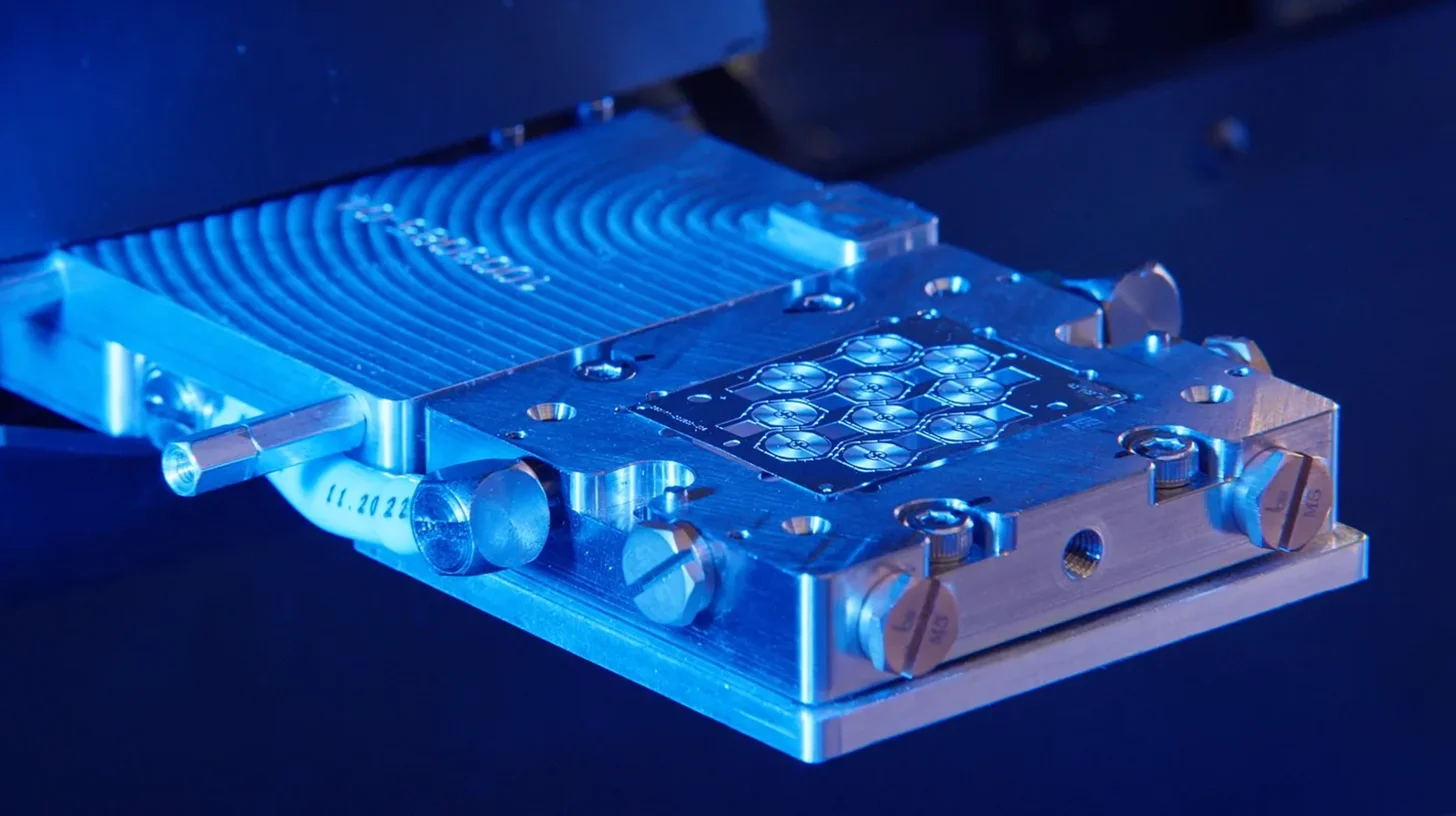
Atomic Machines emerged from stealth with an AI factory it says can turn digital designs into tiny working machines. Founder and CEO Jeff Holden announced the debut on October 7, after six years of development.
The system is called the Matter Compiler. Its first announced product is PrimeSwitch, a small power switch for AI data centers.
A factory controlled by code
Holden describes the Matter Compiler as a system of reusable manufacturing operations controlled by code. He says it can switch designs through software changes without new molds, masks or fixtures. The system measures every operation so errors can be corrected before they build up, according to his account of its development.
Atomic is targeting tiny pumps, motors and gears. Holden’s case for working at this scale centers on devices that need a mix of materials and complex shapes to move, pump fluids or manage heat. He acknowledges that existing fabrication methods already make accelerometers, gyroscopes and inkjet nozzles. Atomic wants to expand the combinations of materials, shapes and processes available to designers.
PrimeSwitch offers an early test
Atomic lists PrimeSwitch PS-150 as an electromechanical relay measuring 9.5 millimeters across and 3 millimeters high. The company says it can carry 150 amps continuously and open in 50 microseconds, with no power needed to hold it open or closed. The product page lists its availability as “Sampling Now.”
Why it matters
Vibe coding lets people describe an app and get working software. Atomic is trying to do the same for physical hardware through “prompt-to-product manufacturing,” which it presents as an aim. Its proposed workflow runs from describing a device’s function through design, simulation and manufacturing instructions, followed by validation and approval. The promise is to automate more of the engineering between an idea and a device a factory can build.
That could matter to inventors and small engineering teams with a concept but limited manufacturing resources. Holden’s stated ambition is that “virtually anyone with a concept” could turn it into a device. A library of manufacturing operations could give AI known steps to combine into instructions the factory can carry out.
Changing a design could also become easier. If Atomic’s claim that iterations require software changes holds across more products, teams could test variants without commissioning new tooling each time. That could lower the cost of experimenting with a device. How much time or money teams might save remains unclear.
The current process involves people. Atomic describes technicians, software engineers, electrochemists and manufacturing engineers working together, with measurements feeding design revisions. Those measurements matter because a device has to work with real materials and production processes. How well that feedback can guide AI across different products remains uncertain.
PrimeSwitch gives Atomic a concrete first application to evaluate. The larger promise depends on making the same approach work across a wider range of devices, at costs customers can justify. For someone outside a specialist engineering team, the unanswered question is how much expert help they would need between describing an idea and getting a working device.
Sources & further reading
This story builds on reporting from The Rundown newsletter on October 12, 2026.