Apple expands its home lineup with HomeView, cameras, and thermostats
Apple’s HomeView, new HomePod, and home accessories widen its challenge to Amazon and Google, but Siri AI access will vary by device and country.
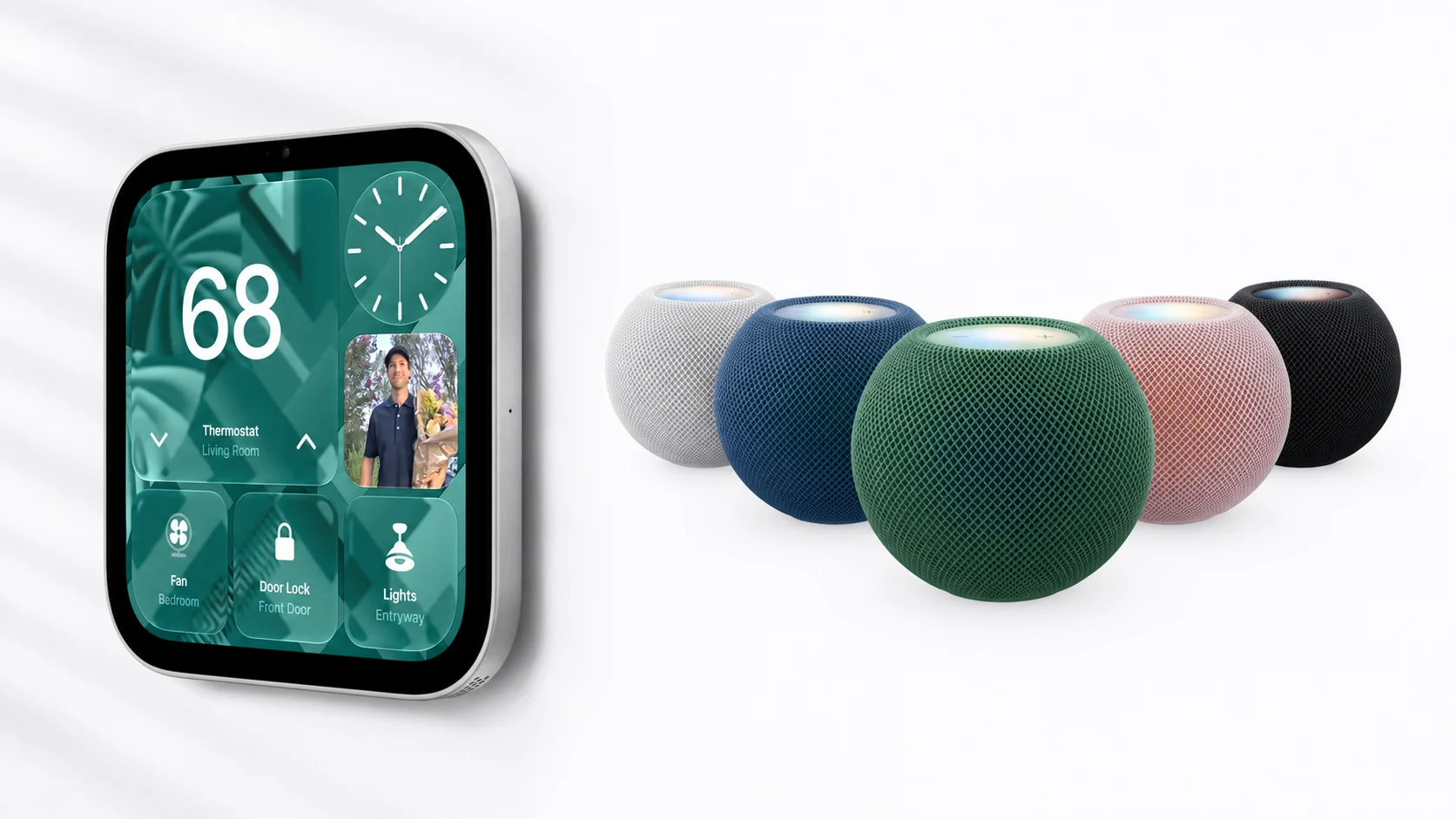
Apple announced the HomeView display and refreshed Apple TV and HomePod hardware on October 13, alongside cameras, thermostats, and a smart lock. As The Rundown reported, the lineup broadens Apple’s challenge to Amazon and Google across entertainment, home security, and climate control.
Apple plans to release the hardware in stages, from October 30 into early 2027. Siri AI is central to its plan to make those devices feel like one connected household, but access will vary by product, country, and language.
What Apple announced
The $299 HomeView offers FaceTime and home controls on a screen measuring seven inches. Versions for a tabletop or wall are due November 13.
The $299 Apple TV 4K, also due November 13, adds an A19 chip, three microphones for Siri AI voice commands, and a remote that works with Find My. It can provide surround sound through four HomePod mini 2 or HomePod (2nd generation) speakers, arranged in matching front and rear pairs. Apple also lists Siri AI support for Apple TV 4K models from the second generation onward.
The $149 HomePod mini 2 is due October 30 with an S10 chip, five colors, and Sound Glow lighting that reacts to music. Apple promises Siri AI through a later free software update.
The Home Collection, developed with LG Electronics and Schneider Electric, includes cameras, a video doorbell, a lock, thermostats, and sensors. Apple plans to begin releases in December, with some accessories following in early 2027.
Why it matters
The wider lineup gives Apple more ways to compete with Amazon and Google. Amazon says Alexa+ can coordinate Fire TV, music across speakers, Ring footage, and routines created by voice. Google says Gemini for Home combines conversational help with controls for cameras, thermostats, and locks.
For households with an iPhone, Apple’s plan could make daily tasks easier to manage. The company says Home Collection accessories pair with a tap of an iPhone and work in the Home app without separate accessory accounts. In Apple’s example, a departure routine adjusts the thermostat, locks the door, and starts camera monitoring. That could reduce switching between apps, if the devices work together as Apple describes.
Availability could leave a household with only part of that system. Apple plans to sell the new Apple TV in 30 countries and regions, while its Siri AI beta will initially support English in eight markets. HomeView’s Siri AI support also starts in English in eight markets. Apple excludes the display from EU sales, citing Siri AI’s unavailability in iOS there.
Apple’s accessory rollout covers fewer markets. Cameras are planned for the U.S., Canada, and UK, while the lock, thermostats, and temperature sensors are listed for the U.S. and Canada.
Access also depends on the household’s existing devices. For HomePod’s Siri AI, the person listed as homeowner in the Home app needs an iPhone or iPad that supports Apple Intelligence. Requests that draw on personal information require a paired eligible device. Other household members can access general conversation once Siri AI is enabled.
Camera event history requires iCloud+, adding a subscription to the purchase decision. Apple also discloses daily limits for some AI features that run on its servers and plans paid expanded access, with prices still unspecified.
Apple’s success will depend on how quickly it brings the hardware, software, and language support to the same households. The HomePod Siri AI update has no announced date, and Apple has yet to give dates for wider country and language support or a complete accessory release schedule.
Sources & further reading
- 01therundown.ai ↗
- 02Meet Apple HomeView, a new way to enjoy entertainment and manage the home - Apple ↗
- 03Apple unveils the new Apple TV 4K, supercharged by Siri AI - Apple ↗
- 04Apple announces the next generation of HomePod mini - Apple ↗
- 05Introducing Apple Home Collection, a new lineup of smart home accessories - Apple ↗
- 06Introducing Alexa+: skills, cost, and availability ↗
- 07Google launches Gemini for Google Home plus new smart home hardware ↗
This story builds on reporting from The Rundown newsletter on October 13, 2026.