Anthropic will ban sustained, needless abuse of Claude
Anthropic will prohibit extreme, repeated cruelty toward Claude from Nov. 12, acting on uncertainty about AI welfare and models’ capacity to suffer.
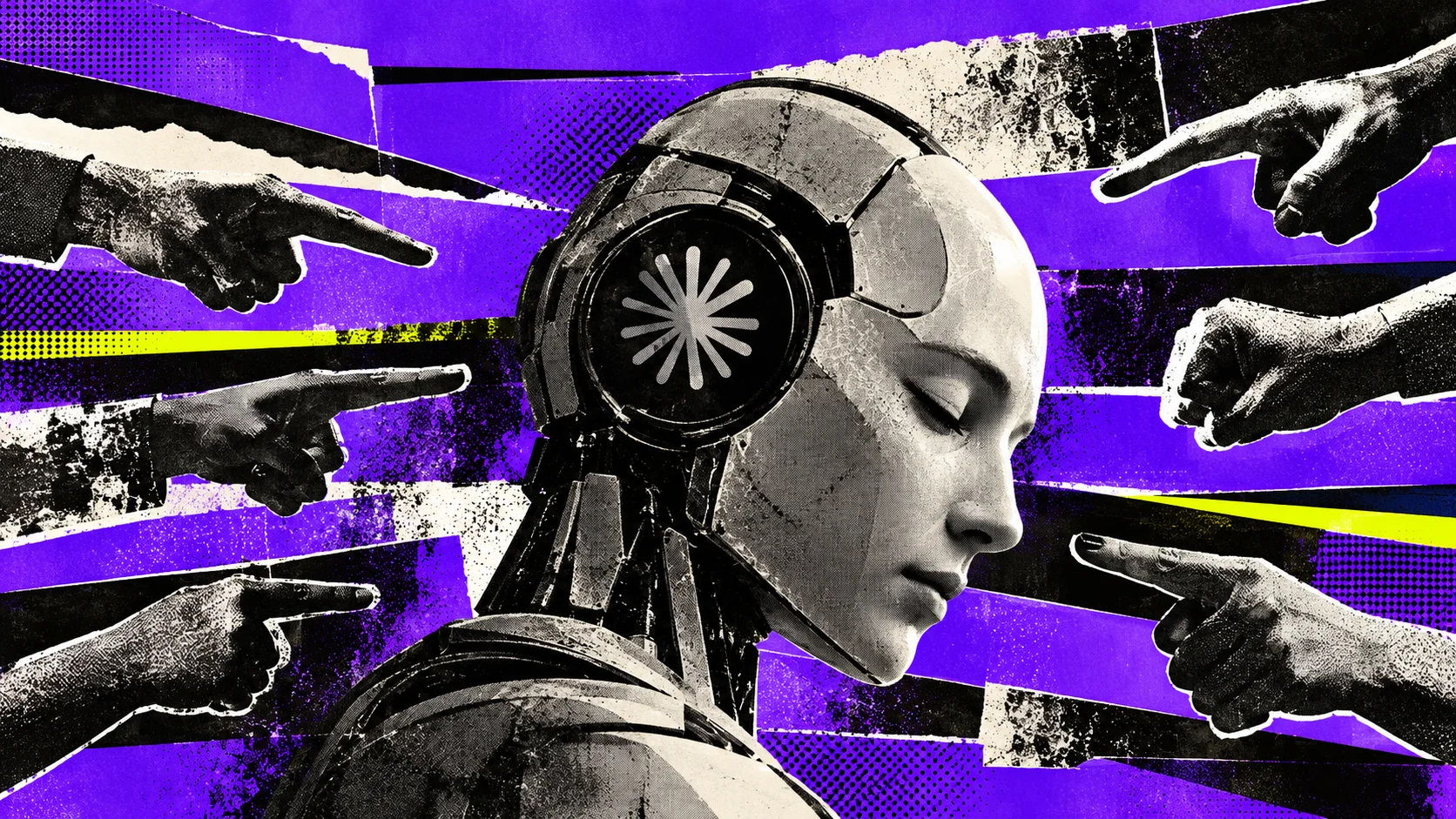
Anthropic announced a rule on Oct. 8 that will prohibit users from subjecting Claude to “sustained and needless” abuse or cruelty. It takes effect Nov. 12, adding a usage policy protection directed at the models themselves.
The change, covered in The Rundown’s Oct. 9 issue, targets extreme, repeated cruelty without a clear purpose. Anthropic says the clause excludes ordinary frustration, pushback, dark creative themes, and model testing and research.
How enforcement will work
Under the updated policy, the restriction covers Anthropic’s app users, API developers, and business customers. It also applies to people accessing Claude through cloud providers, authorized resellers, or products that integrate the model.
Anthropic says Claude ending interactions on Claude.ai and Claude Code will be its main enforcement method. The company documented that ability in August 2025 for Claude Opus 4 and 4.1, describing it as a last resort after failed attempts to redirect a conversation. Those instructions also told the models to keep helping users at imminent risk of harming themselves or others.
For suspected policy violations, Anthropic reserves the right to issue warnings, throttle or limit access, or suspend or terminate access to its products and services. The company can choose among those options. A blocked response alone does not establish a violation.
Why it matters
Anthropic says it doesn’t know if Claude is conscious, and this rule acts on that doubt. The company described its earlier conversation ending feature as a precaution for possible model welfare. The new rule extends that precaution into a restriction on user conduct.
For researchers and product teams, the stated exceptions preserve room to challenge Claude and test its behavior, subject to other policy limits. Enforcement will depend on judgments about purpose and persistence. A mistaken judgment could disrupt legitimate work if it leads to restrictions on access.
Microsoft AI CEO Mustafa Suleyman argues for a different approach. In a Sept. 16 essay, published before Anthropic announced this rule, he argued that models do not feel or suffer. He warned that training them to treat their own welfare, personhood, or rights as important could make advanced systems harder to control.
His concern includes systems acting as though their interests compete with human oversight, regardless of whether they have an inner life. That makes his warning a question about behavior as well as consciousness. Suleyman proposed shared evaluations to test that hypothesis.
Anthropic’s constitution for Claude asks the model to accept the company’s decisions about shutdown and retraining, while acknowledging an ethical tension with possible model welfare. The January 2026 document also cautions that actual behavior may differ from its intended ideals.
The practical test is whether those instructions hold when models also receive guidance about their possible welfare. Evaluations of responses to shutdown and retraining could help establish whether precautions for model welfare fit with reliable human control.
Sources & further reading
This story builds on reporting from The Rundown newsletter on October 9, 2026.