Amazon loses 40 satellites as Vulcan failure puts launch plans at risk
A Vulcan failure destroyed 40 Amazon Leo satellites, raising questions about its rollout and the supply of proven U.S. launch options beyond SpaceX.
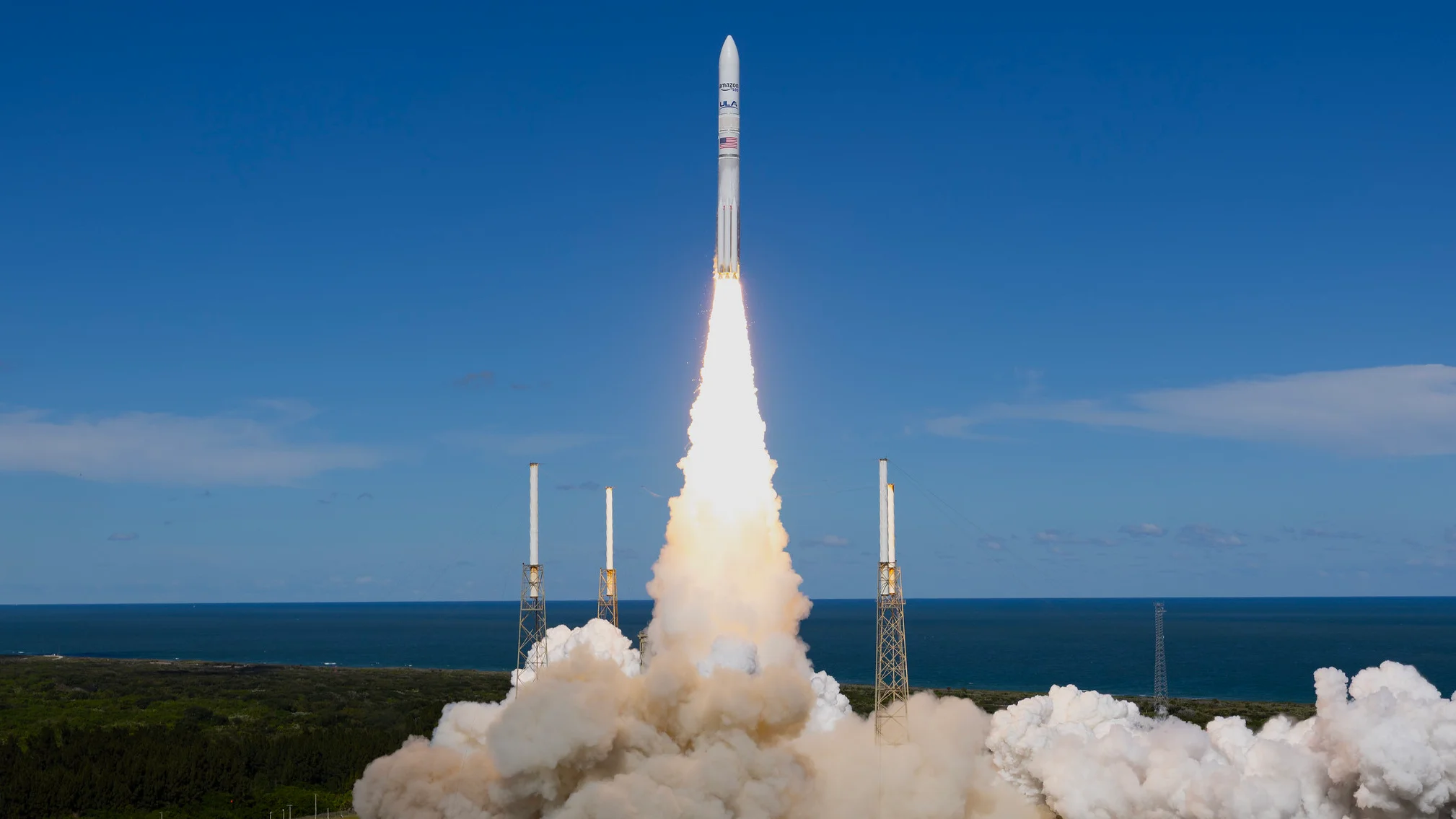
United Launch Alliance’s Vulcan rocket failed during its November 15 flight, destroying all 40 Amazon Leo broadband satellites aboard, as The Rundown reported. The loss puts pressure on Amazon’s effort to build a Starlink rival that still needs thousands of spacecraft to reach full scale.
Vulcan was making its first flight in nine months. The mission was the first of 38 Vulcan launches Amazon booked, carrying its biggest satellite batch yet. It was also the rocket’s first flight with six solid boosters.
What went wrong
In a November 17 update, ULA said early data showed reduced performance from the main booster shortly after liftoff. The rocket was too low and too slow when its stages separated, leaving the upper stage unable to make up the shortfall.
ULA said its initial evidence indicated normal performance from the upper stage and solid boosters. The root cause remains unknown, and the timing of Vulcan’s next flight is unclear.
Ariane 6 is next
Amazon’s next planned mission is an Ariane 6 carrying 36 satellites from French Guiana. Arianespace announced a specific launch window on November 18, setting the flight for November 23 between 11:09 and 11:38 UTC.
Why it matters
The failure risks costing Amazon deployment time as well as hardware. Starlink has operated for several years, while about 400 Amazon satellites have reached space toward a planned network of more than 3,200, according to Space.com.
Vulcan has a large role in that expansion. Amazon said before launch that its 38 missions would deploy more than 1,500 satellites. It expected a second Vulcan flight within weeks if the first succeeded. With that pace now uncertain, the risk extends across a substantial part of Amazon’s deployment plan.
Amazon also said it completed its 1,000th satellite in early September and had hundreds ready for launch. A prolonged pause in Vulcan flights could keep finished spacecraft on the ground longer, making reliable launch access a constraint even when satellites are ready.
For potential customers, slower deployment could limit how quickly Amazon expands coverage and capacity. Its plan before the failure anticipated an initial service rollout later in 2026, with further launches expanding the network. Whether Amazon has changed that timetable remains unclear.
The Ariane mission gives Amazon another deployment opportunity from French Guiana. The planned flight shows how booking multiple providers can help Amazon keep adding satellites while ULA investigates. How much of Vulcan’s planned workload Arianespace could absorb remains unclear.
Amazon’s 2026 proxy statement reported about $2.2 billion in payments for launch and related services since the start of the prior fiscal year. The failure reinforces the concern that the U.S. has few proven alternatives to SpaceX for deployments at this scale. How soon Vulcan returns, and how often it flies after that, will shape the risk to Amazon’s schedule.
Sources & further reading
- 01therundown.ai ↗
- 02ULA's Vulcan Centaur rocket fails during return-to-flight launch, 40 Amazon satellites lost (video) | Space ↗
- 03Amazon Leo LV-01: 40 satellites in the first Vulcan launch ↗
- 04Vulcan Leo 1 updates ↗
- 05Mission VA271: Launch window on November 23, 2026 - Arianespace ↗
- 06Amazon.com, Inc. ↗
This story builds on reporting from The Rundown newsletter on November 17, 2026.